
 Quinton Fesq
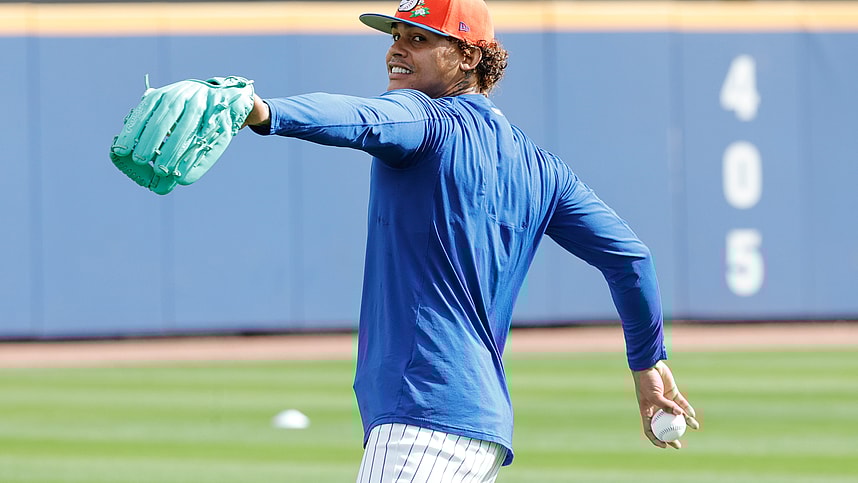
For the first time in at least 5 years, the New York Mets enter Opening Day with their entire starting rotation healthy. All 6 arms. No asterisks. That is not a sentence NY Mets fans have had the luxury of reading in recent memory, and the front office is still figuring out what to do with it.
This is a new kind of Mets rotation problem. Not a depth problem. Not an injury problem. A surplus problem.
The Rotation Nobody Expected to Have Intact
The 6-man order heading into Opening Day looks like this: Freddy Peralta, Nolan McLean, David Peterson, Clay Holmes, Kodai Senga, Sean Manaea. Peralta draws the Opening Day ball against Paul Skenes and the Pittsburgh Pirates on March 26.
The rotation appears relatively settled, with Holmes coming off a successful campaign in his transition to starting pitcher, Peterson coming off his first All-Star selection, and Manaea and Senga both looking to bounce back from disjointed 2025 campaigns. That’s 4 of the 6 spots carrying actual storylines heading into the year. The other 2 — Peralta and McLean — are the anchors. This is not a rotation held together with duct tape and optimism. It is legitimate.
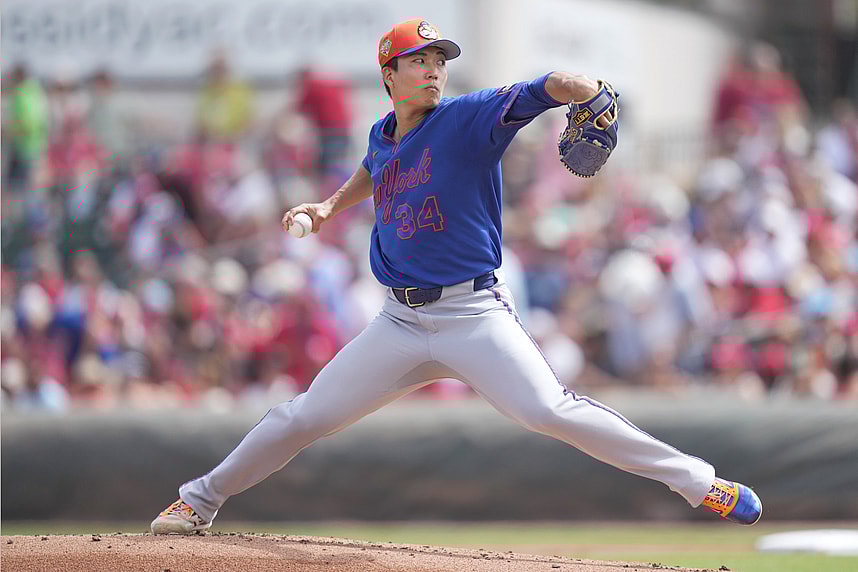
The catch is that 6 healthy starters creates real structural decisions that don’t come with a clean answer.
The Math Gets Complicated Fast
Carrying 6 starters means the Mets open the season with only 7 bullpen arms instead of the usual 8. The bet is that starters, pitching on extra rest, go deeper into games and reduce the relief burden. That logic holds in a vacuum.
The schedule tests it quickly. The first stretch where the Mets go more than 5 games without an off day runs from April 7-15, when they have a 6-game homestand before flying west to play the Dodgers without a break. After that, the off-day clusters start bunching up in ways that strain a rigid 6-man structure. Peralta, slated to start April 17, would go a full week before his next turn, while whoever starts 4th in the rotation would sit 8 days between appearances — April 13 to April 21.
Eight days between starts is not rest. It’s rust.
The Mets could counter with a piggyback arrangement, the same structure they deployed with Manaea and Holmes down the stretch last September. Pairing 2 starters in a single game would let the Mets maximize their other relievers, knowing they would have a near-full off day built in roughly once a week. It’s creative. It also requires everything to stay healthy long enough to make the question relevant.
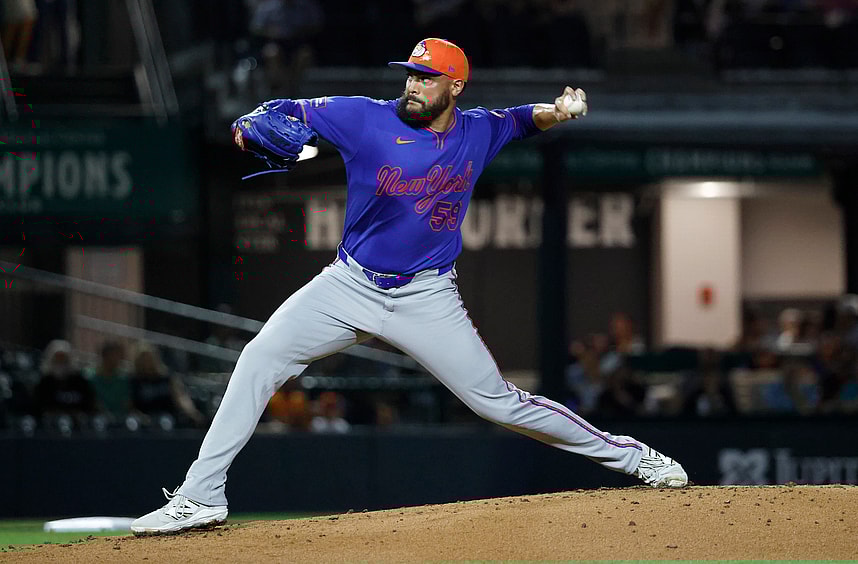
The Actual Luxury Here
What the Mets have right now is not just a full rotation. It is options. Carlos Mendoza can be aggressive with matchups, protective with workloads, and flexible with the schedule in ways that simply were not available when the rotation was held together by hope and minor league call-ups.
Senga is reportedly the reason the Mets committed to 6 starters in the first place. His fastball reached 98 mph this spring after averaging 94.7 mph through an injury-shortened 2025. That velocity jump alone changes what this rotation can do in the back half. If Senga pitches like the version that posted a 1.47 ERA through his first 2-plus months of 2025 before things fell apart, the Mets do not have a 6-man rotation problem. They have a 6-man rotation weapon.
The question worth sitting with isn’t whether 6 starters is sustainable. It’s whether the Mets can stay healthy long enough to find out how good this thing actually is. Queens has spent years managing around broken rotations. Managing around a full one is going to require a different kind of discipline — and so far, there’s every reason to believe they’re up for it.
More about:New York Mets
