
 Quinton Fesq
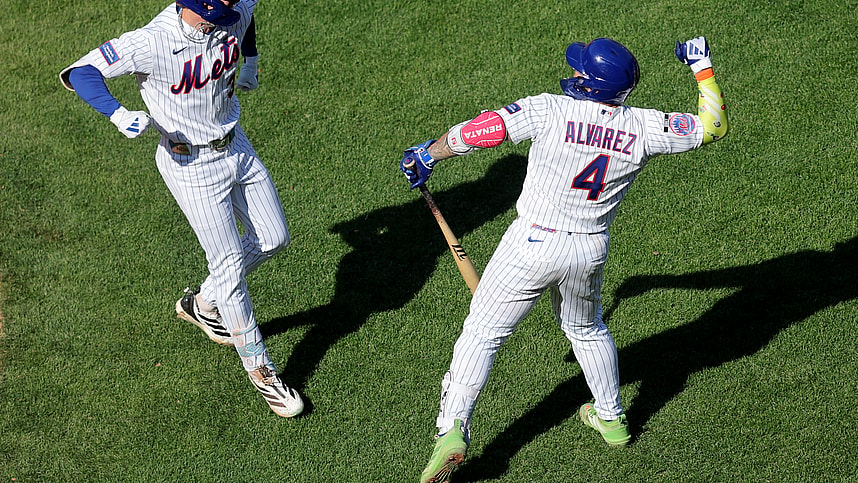
The New York Mets took 2 of 3 from the Pittsburgh Pirates to open the 2026 season, but the standings do not tell the whole story. This roster was rebuilt almost entirely from scratch over the winter — new ace, new infield and outfield pieces, a new bullpen identity — and 3 games against Pittsburgh gave us the first real data points on who this team actually is. Some players looked exactly like what the front office paid for. Others have work to do. Here is a full report card, graded worst to best, for every player who saw meaningful time in the opening series.
Bo Bichette, 3B — D+
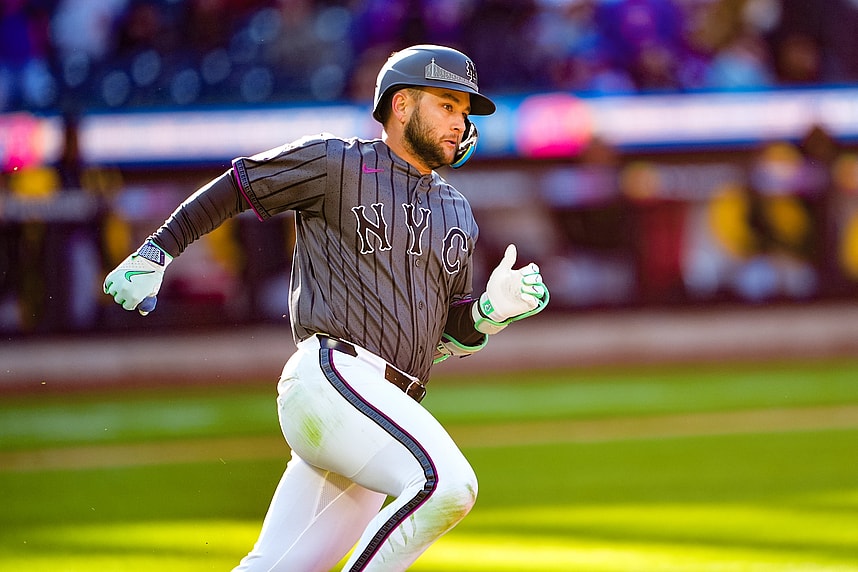
There is no way to sugarcoat this. Bichette went 1-for-14 with 8 strikeouts across the 3-game set, and Mets fans at Citi Field were already letting him hear it by Game 3. The lone hit was a meaningless single. He struck out in more than half his at-bats, was publicly booed in his own ballpark, and admitted after the finale that his at-bats were “terrible.”
The transition from shortstop to third base added a throwing error on top of the offensive struggles. One series does not define a season — Bichette has been one of the better hitters in the American League the last couple years — but that opening stretch was as bad as a player can look, and the pressure to turn it around immediately is real.
Luis García, RP — D+
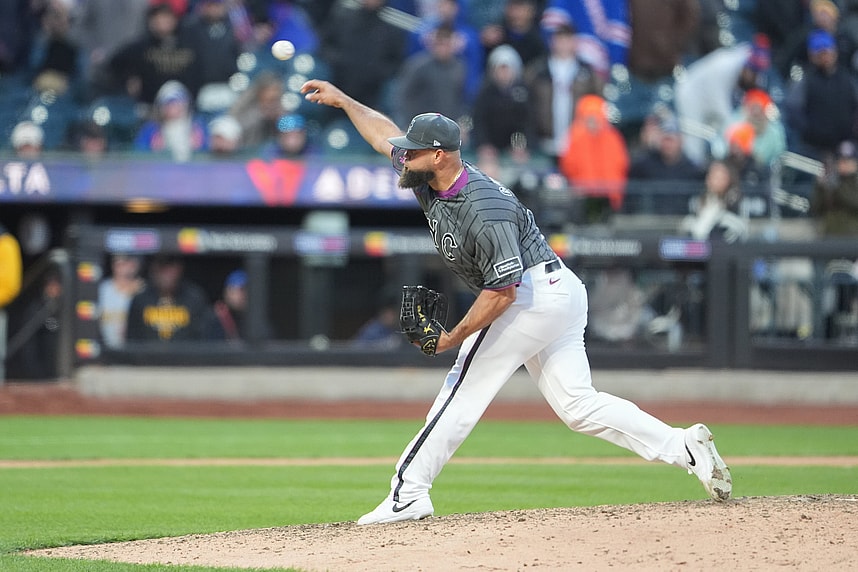
García appeared in 2 games and was the one reliever who genuinely hurt the Mets. Across 2 innings he surrendered 5 hits and 4 earned runs, putting the team in difficult spots both times he was summoned. His Game 1 appearance in the ninth was damage control in a game already won, but his Game 3 work was more costly. The walks were not the problem — he issued none — but the barrel contact against him was consistent and hard. If the Mets are going to trust him in meaningful innings, he needs to show something different very quickly.
Richard Lovelady, RP — C–
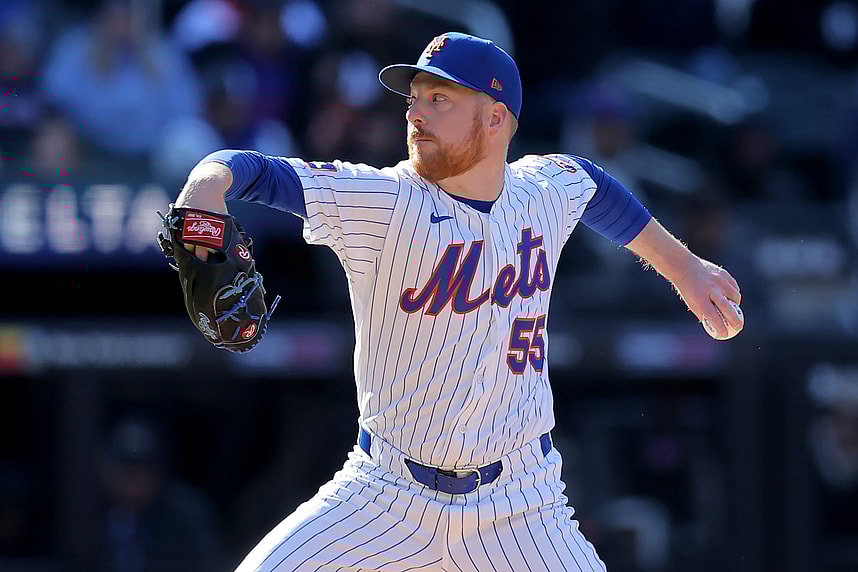
Lovelady’s series ended worse than it started. In Game 2 he delivered in a high-leverage spot — striking out Nick Gonzales with runners at the corners to end the 11th inning and pick up the win. That was a genuinely important out, and his line backed it up: 1 inning, 2 hits, 1 unearned run, no walks. Game 3 erased most of the goodwill. He walked 2 batters in his 1 inning of work, allowed 2 hits, and gave up the go-ahead run on an RBI single by Henry Davis that put Pittsburgh ahead for good.
Combined across both appearances he allowed 3 runs on 4 hits in 2 innings, with only 1 of those runs earned. The walks and the timing of the damage matter more than the earned run total. Surrendering the lead in a series finale in extras is not something that gets forgotten quickly.
Carson Benge, RF — C+
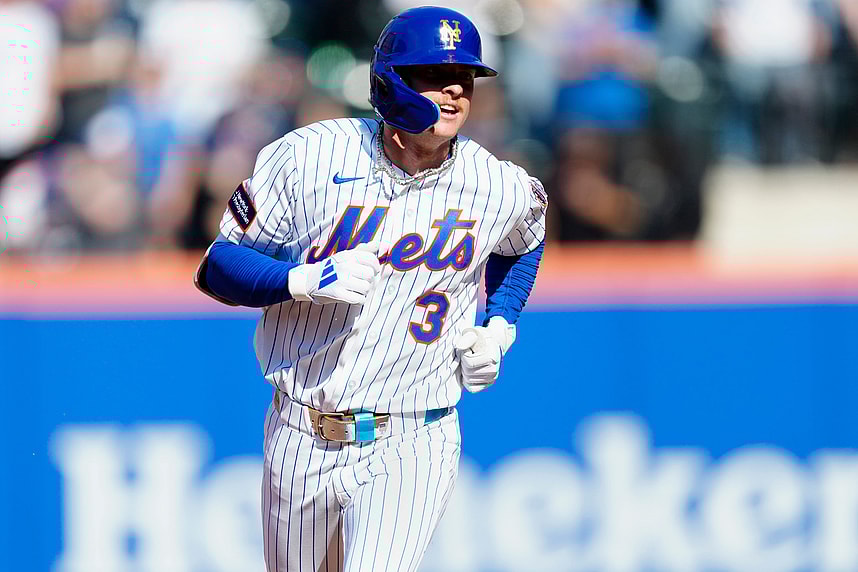
Benge’s series was a tale of 2 very different box score lines. He homered in his first career game on Opening Day — going back-to-back with Francisco Alvarez in the sixth — and drew 2 walks across 3 games, showing the plate discipline that made him a top prospect. But he also struck out 5 times, hit just .100 for the series, however, the walk rate is the encouraging sign. Rookies hit walls, and the fact that pitchers could not consistently blow him away actually speaks to his approach at the plate. The homer and the walks are the real story here, not the batting average.
Freddy Peralta, SP — B-
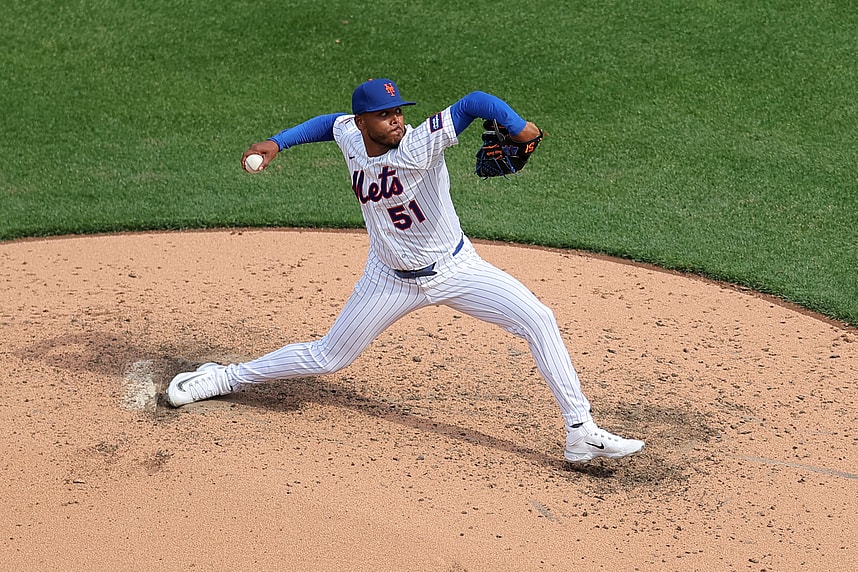
The grade reflects the full outing, not just the mess around him. Peralta allowed 4 earned runs on 6 hits across 5 innings and gave up 2 home runs to Brandon Lowe, including a wind-aided shot in the first that gave Pittsburgh an early lead. The surface ERA of 7.20 is not pretty. But he struck out 7, walked nobody, and steadied himself after a shaky first 2 innings to keep the Mets in front. This was a new team, and an Opening Day atmosphere. Peralta showed enough to believe the rough edges will smooth out as he settles in.
Marcus Semien, 2B — B-
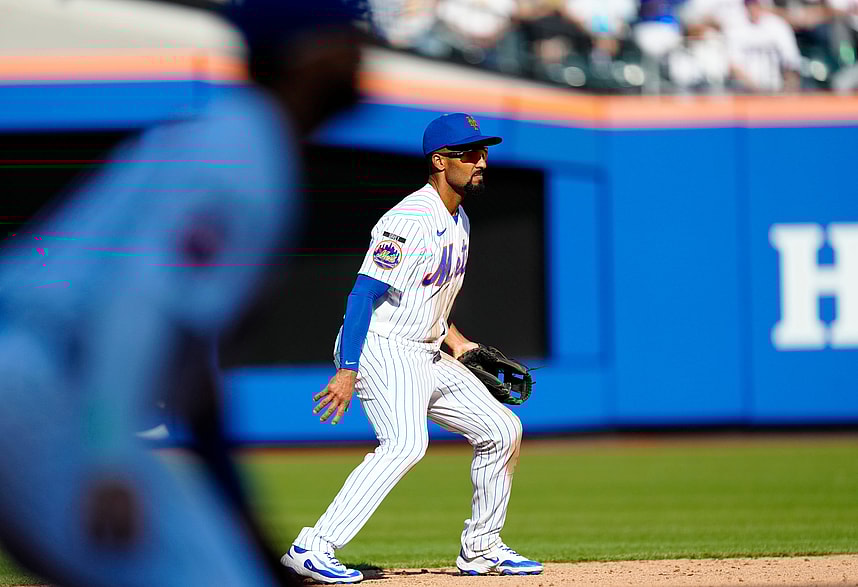
Semien was quiet by his standards — 2-for-11, no walks, 3 strikeouts — but context matters. His double in the first inning of Opening Day scored Baty and was one of the key blows in the 5-run first that put the game away early. He also delivered a sacrifice fly in Game 3. A modest 3-game sample against a Pittsburgh rotation is not a red flag. The 0 walks across 11 at-bats is worth watching, but it is far too early to read into it.
Jorge Polanco, 1B/DH — B
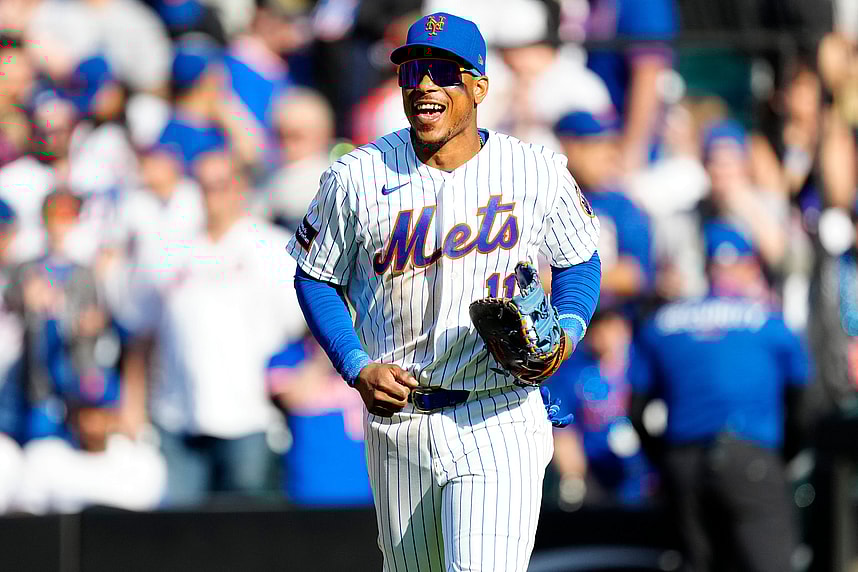
Polanco did exactly what a professional hitter does when his bat is not finding holes — he worked counts and got on base. He drew 5 walks against just 2 strikeouts across 10 at-bats. The average was .100, but his on-base presence was real every time he stepped in. The approach is right, and the results will follow.
Luke Weaver, RP — B
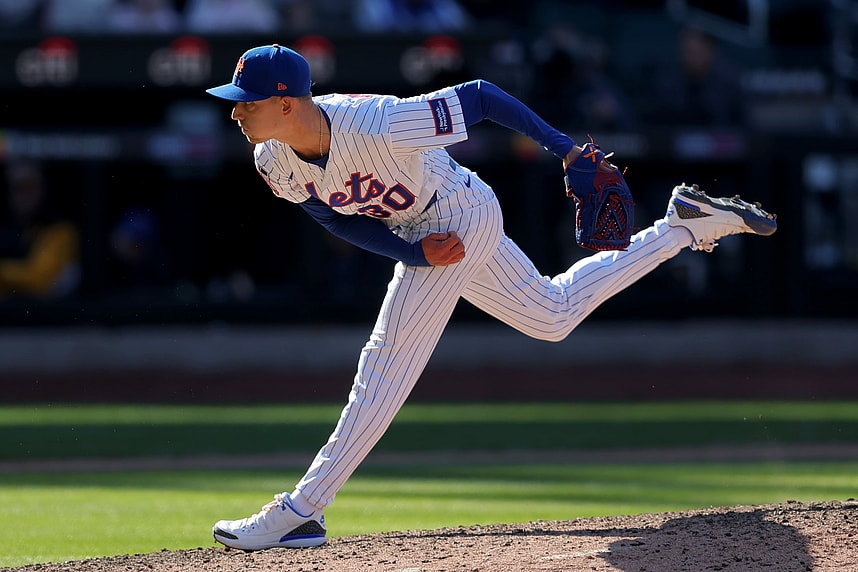
Weaver appeared in both Games 2 and 3 and was clean both times — 2 innings, 1 hit, 0 runs, 2 walks, 1 strikeout. He did not miss many bats but he did not need to. Weaver worked efficiently, kept the ball in the park, and handed clean innings to the next man out of the pen. That is all a middle reliever needs to do to earn a solid grade in a season-opening series.
Sean Manaea, RP — B
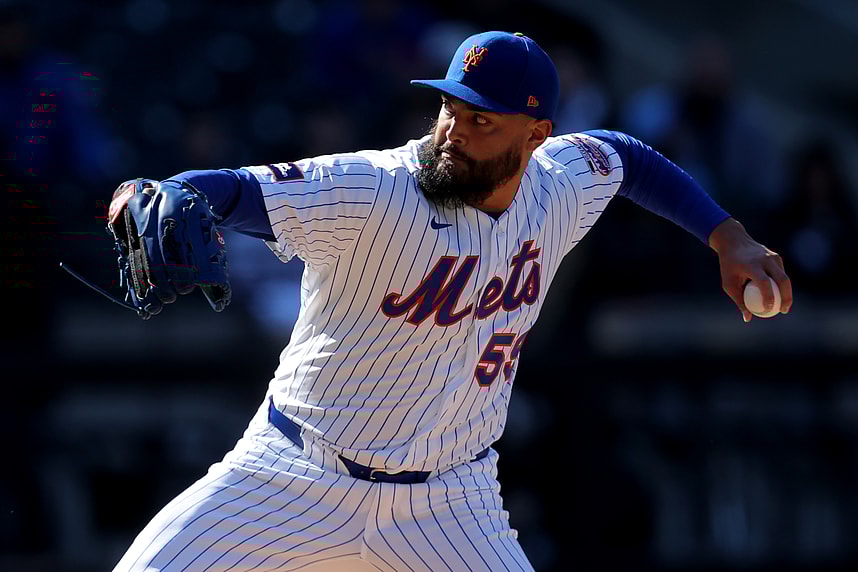
Manaea entered Game 3 in a high-leverage spot and delivered 1.1 scoreless innings, allowing 1 hit and 2 walks while striking out 2. The walk total bumps the grade slightly, but the fact that he stranded both runners he inherited and kept Pittsburgh off the board matters more than the peripheral numbers. For a veteran arm working out of the bullpen while the rotation sorts itself out, that was a professional outing.
Brett Baty, DH/1B — B+
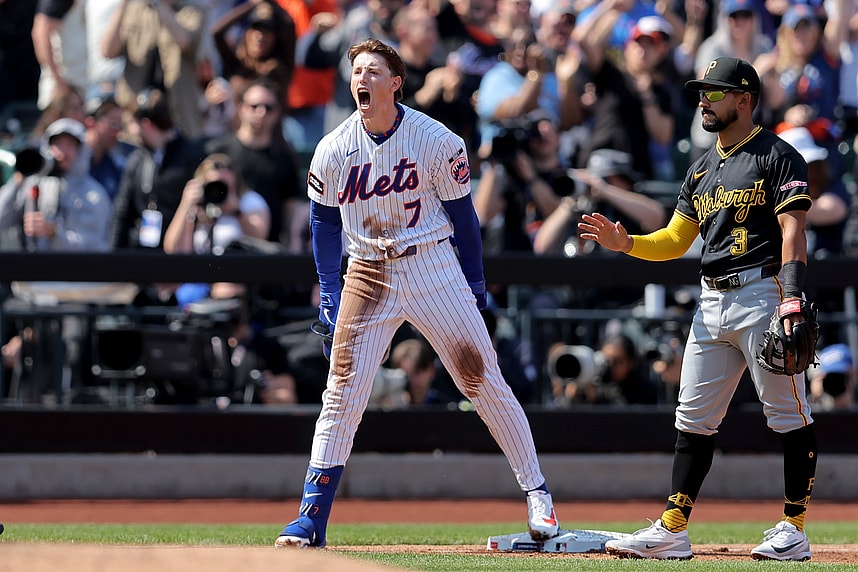
Baty hit .308 for the series with 4 hits and 3 RBI, and the defining moment came early — a bases-loaded triple over the head of Oneil Cruz on Opening Day that cleared the bases and put the Mets ahead for good. That was the biggest hit of the entire series opener. He struck out 5 times across 3 games, which is the one blemish, but the barrel-to-contact rate when he did connect was excellent. Baty looks like a player who has figured out his role on this roster, and a .308 average against a Pirates staff that is not without quality arms is a genuinely strong start.
Francisco Lindor, SS — B+
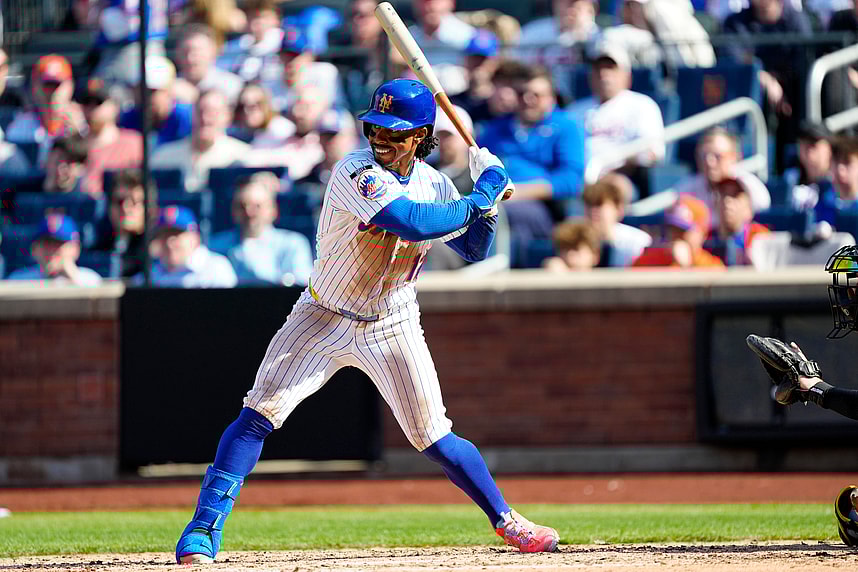
Lindor’s stat line looks pedestrian at first glance — 2-for-11 — but he drew 4 walks and scored 4 runs across the series. He set the table in all 3 games. The hamate surgery scare this spring had people wondering if he would be right to start the year, and the answer through 3 games is an emphatic yes.
Brooks Raley, RP — B+
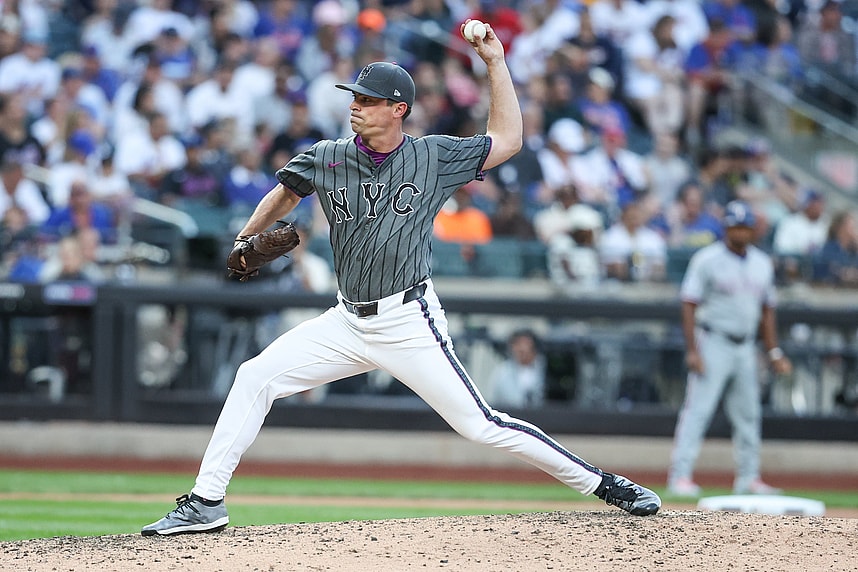
One inning, 1 hit, 0 runs, 2 strikeouts. Raley was sharp in his lone appearance and looked like the experienced left-handed weapon the Mets need him to be out of the pen. Small sample, but clean execution in a role where clean execution is the entire job description.
Devin Williams, RP — B+
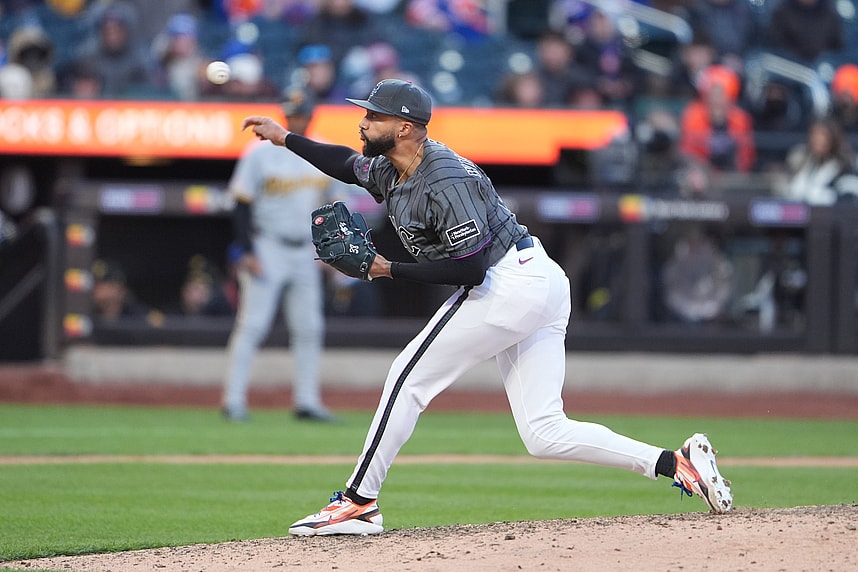
Williams threw a scoreless inning in Game 2 with a hit, a walk, and 2 strikeouts. For a closer working his way back into a high-leverage role, that was a positive sign. His stuff was crisp, he did not let the walk snowball, and he got the outs he needed. Williams is going to be a major factor in how far this team goes — a clean first appearance matters more than the line suggests.
Juan Soto, LF — A-
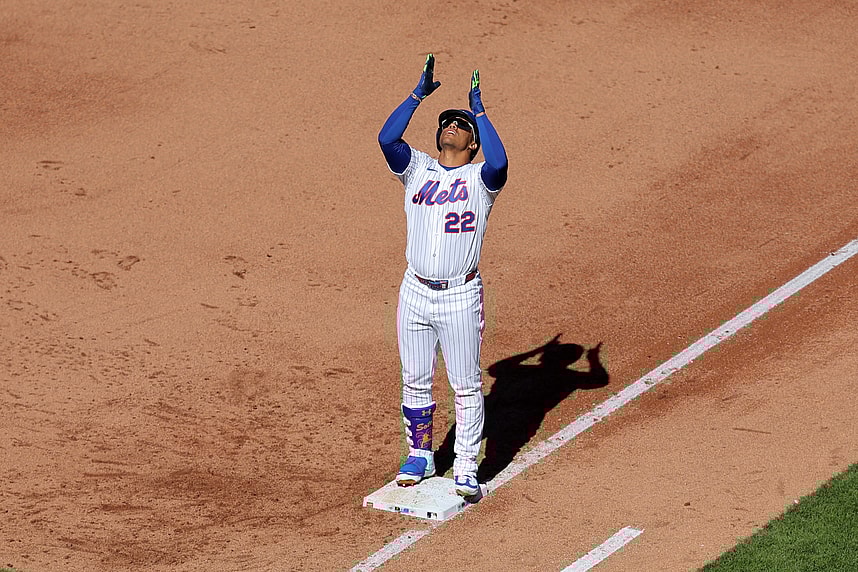
Soto hit .357 with 3 RBI and delivered a key RBI double in the 10th inning of Game 3 that nearly tied it with 2 outs. His Game 1 performance — 2-for-4 with an RBI — was exactly the kind of professional damage the Mets are paying him to do. The minus is for Game 3, where his double set up a play at the plate that ended the rally. That was execution, not a failure of approach. Soto looked like the best pure hitter on the field in 2 of the 3 games.
Tobias Myers, RP — A-
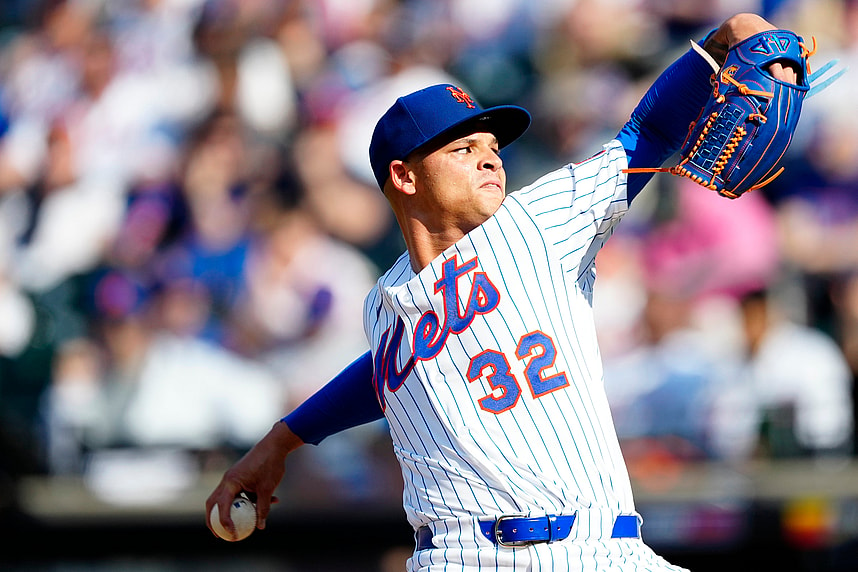
Myers was arguably the unsung hero of the opening series. He threw 3 clean innings in Game 1 behind Peralta, allowing just 1 hit and 1 earned run while striking out 1. Acquired in the same trade that brought Peralta from Milwaukee, Myers slotted into a long relief role and handled it without drama. The 1 home run allowed keeps it from being a perfect outing, but 3 innings of 1-run ball to preserve an Opening Day win is exactly what a depth arm is supposed to do.
Huascar Brazobán, RP — A
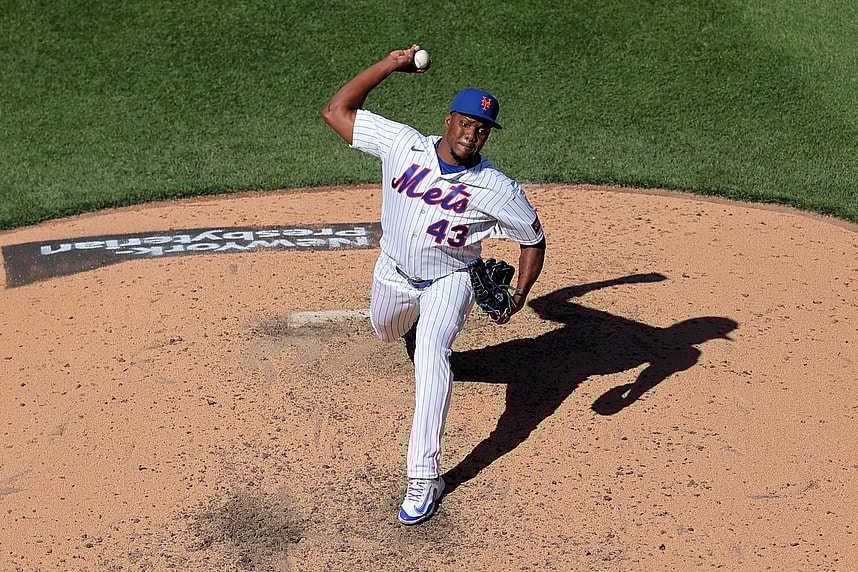
Brazobán was the best reliever in the series. He appeared in both Games 2 and 3, threw 2.1 combined innings, and did not allow a single baserunner — no hits, no walks, 1 strikeout. In a bullpen that had some shakiness late in the series, Brazobán was a wall every time Mendoza called on him. He is making a strong case for one of the more trusted spots in this relief corps.
Francisco Alvarez, C — A
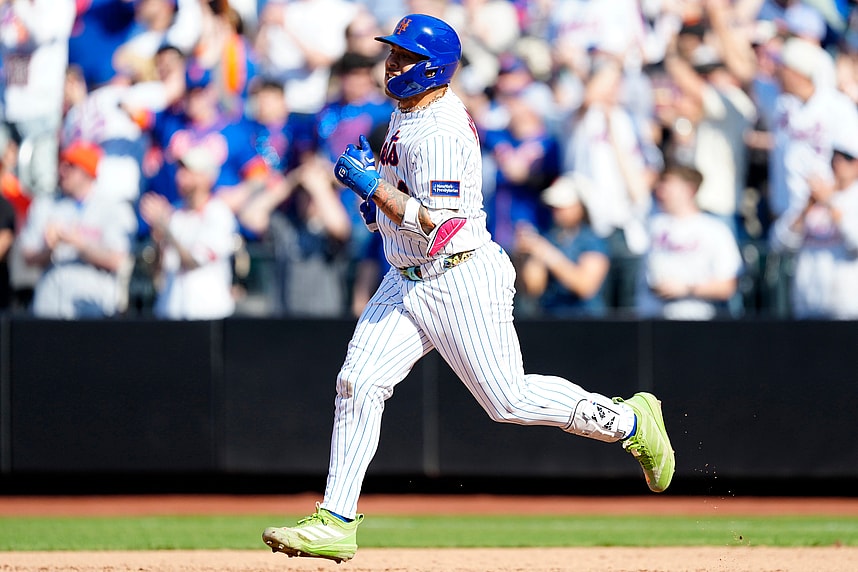
Alvarez played Games 1 and 2 and was excellent in both. He went 2-for-6 with a home run, scored 3 runs, and drove in 1. His solo shot off Justin Lawrence in the sixth capped the back-to-back with Benge and put Game 1 out of reach. Defensively he was sharp throughout, including a standout play in the second inning of the opener. The only reason this is not an A+ is that he sat Game 3. In the time he was on the field, he was one of the best players in the series.
Luis Torrens, C — A
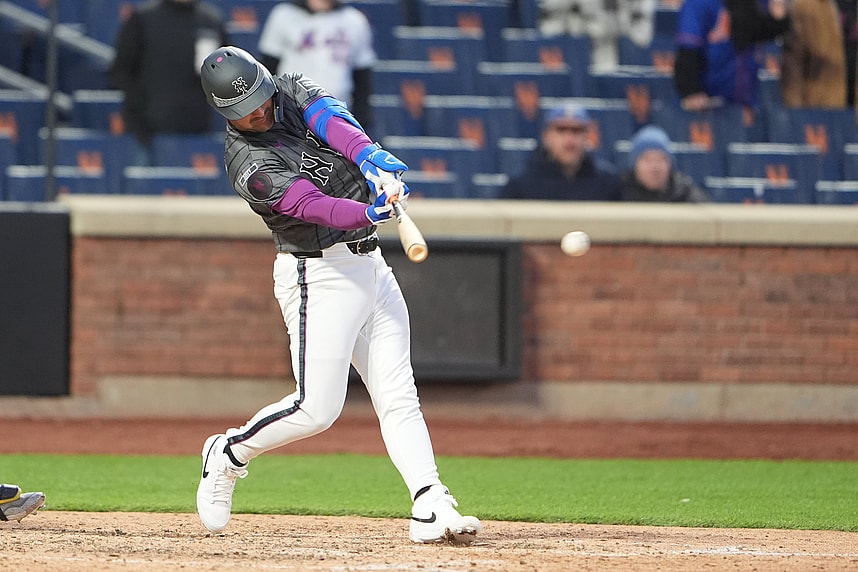
2 hits, 1 RBI, a .500 average in limited time — but the number that matters is 1, as in 1 swing to tie Game 2 in the 10th inning. Torrens came off the bench cold in extra innings and delivered the tying single on the first pitch he saw all season. That is a backup catcher doing exactly what a backup catcher is supposed to do. The A is for impact relative to role. He was perfect when his number was called.
David Peterson, SP — A
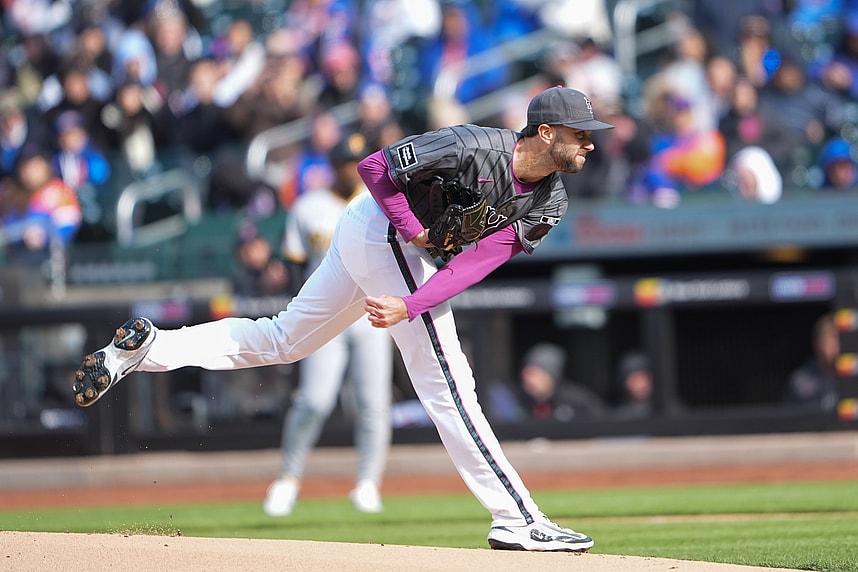
Peterson was the best starter of the series. He held Pittsburgh scoreless across 5.1 innings, allowing 6 singles and 2 walks but escaping every threat with poise. He worked around a Bichette throwing error, induced a Marcell Ozuna popup with the bases loaded in the fifth, and kept his pitch count manageable enough for the bullpen to carry the rest. Peterson’s 2025 All-Star selection felt like a fluke to some — this outing was a reminder that the left-hander is built for big games.
Nolan McLean, SP — A
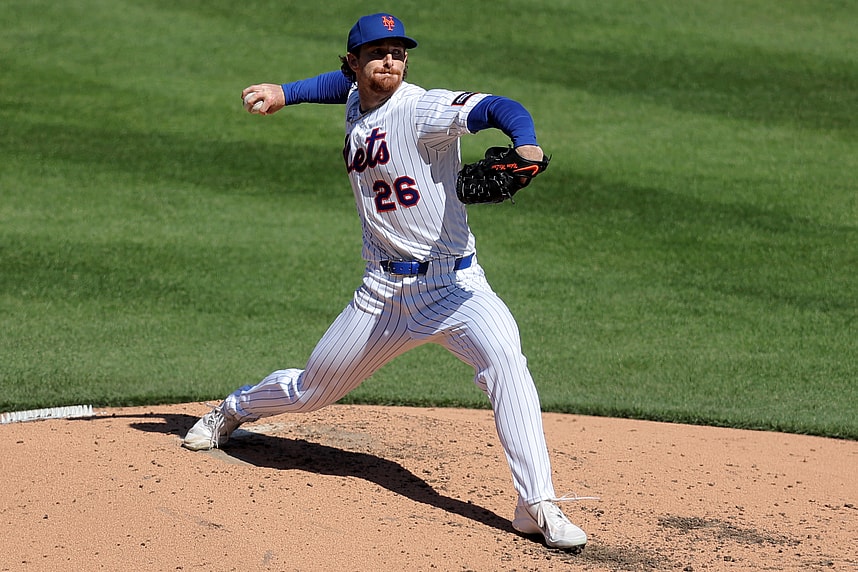
McLean gave the Mets exactly what they needed in a series finale — 5 innings, 4 hits, 2 earned runs, and 8 strikeouts. He was in trouble once in the first inning when a pair of walks and an O’Hearn single put Pittsburgh up 1-0, but he worked out of every other jam and punched out 8 Pirates in the process. For a 24-year-old making his regular-season debut after starting the WBC championship game for Team USA, McLean looked completely unaffected by the moment. The Mets ultimately lost Game 3 in extras, but that is not on him.
Luis Robert Jr., CF — A+
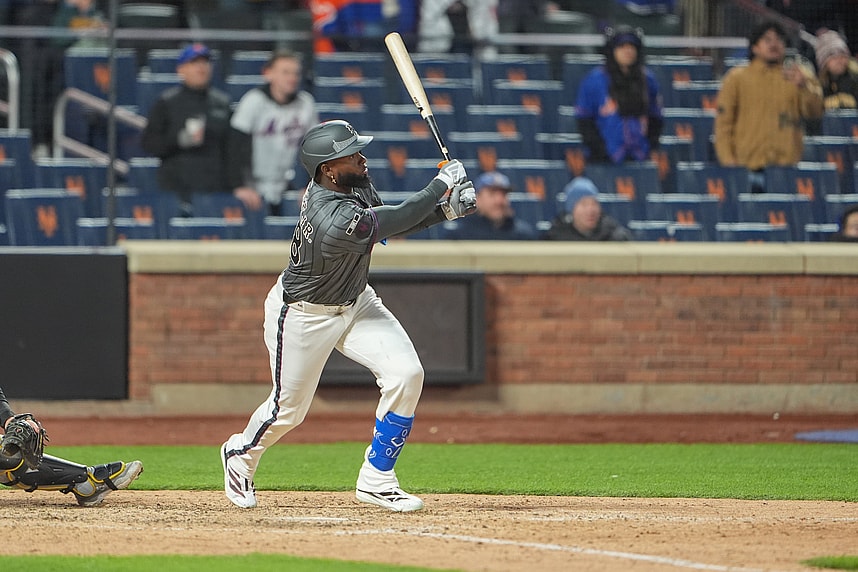
There is no other grade for a player who hit .455 with 5 hits, 5 RBI, and a walk-off 3-run homer in extra innings. LuBob was the best player on the field across all 3 games and it was not close. He had 2 RBI singles in his Mets debut on Opening Day, was a consistent threat in Game 2, and then put the series away with a 1-0 slider over the left-center fence in the 11th inning. The center fielder from Cuba — acquired from the White Sox in January — looked completely at home in a Mets uniform from the first pitch. If this is who he is healthy, the Mets got a bargain.
The Road Ahead
A 2-1 opening series win is a win, but the grades here reveal something more useful than the final standings. The rotation has legitimate depth — Peterson and McLean both looked like mid-rotation starters at minimum, and Peralta showed enough to believe the rough edges will smooth out. The bullpen is deeper than last year’s version, with Brazobán and Myers emerging as reliable options behind the back-end names.
Luis Robert Jr. is already making the case that the White Sox gave him away. The concern is real in 2 spots: Bichette’s 8-strikeout series is not a fluke until proven otherwise, and Lovelady and García both showed vulnerability in spots where the Mets need shutdown innings. How those 2 issues get resolved will matter far more than anything that happened against Pittsburgh. The ceiling on this roster is obvious. The next 6 weeks will determine whether the floor is high enough to match it.
More about:New York Mets
