Quinton Fesq
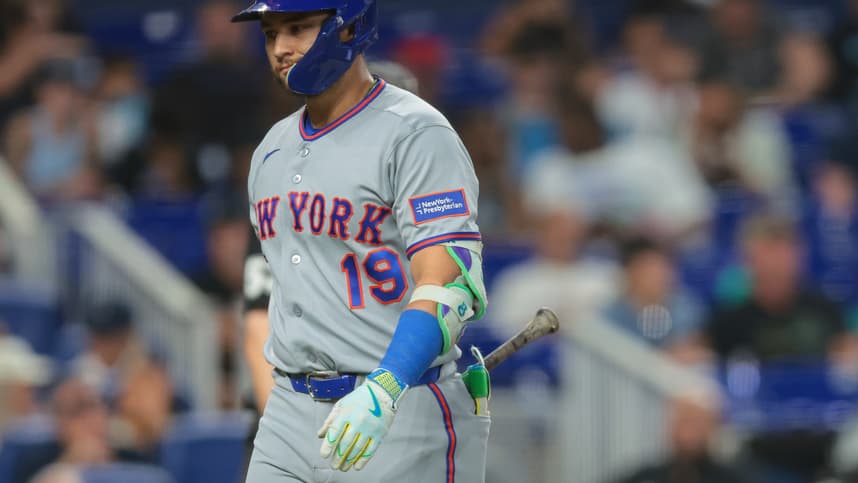
The NY Mets did not sign Bo Bichette to be another lineup question they have to work around.
That is where this has gotten uncomfortable. Bichette was supposed to give the Mets a high-contact bat with enough damage to lengthen the order, protect the middle, and make the offense feel less dependent on 1 or 2 stars every night. Instead, he has become one of the harder bats to trust.
Bichette is sitting at .213/.271/.299 with a 66 wRC+ through 266 plate appearances. That is not a slow week. That is 2 months of production that does not come close to matching the price tag or the role.
Bichette was supposed to be the safe bat
The strange part is that Bichette was not brought in as some boom-or-bust slugger. He was supposed to be the stable contact piece.
Before this season, I thought Bichette could be the final piece of the 2026 puzzle. The logic made sense at the time. He was coming off a strong season in Toronto, his bat-to-ball skill had a long track record, and the Mets needed someone who could keep the line moving.
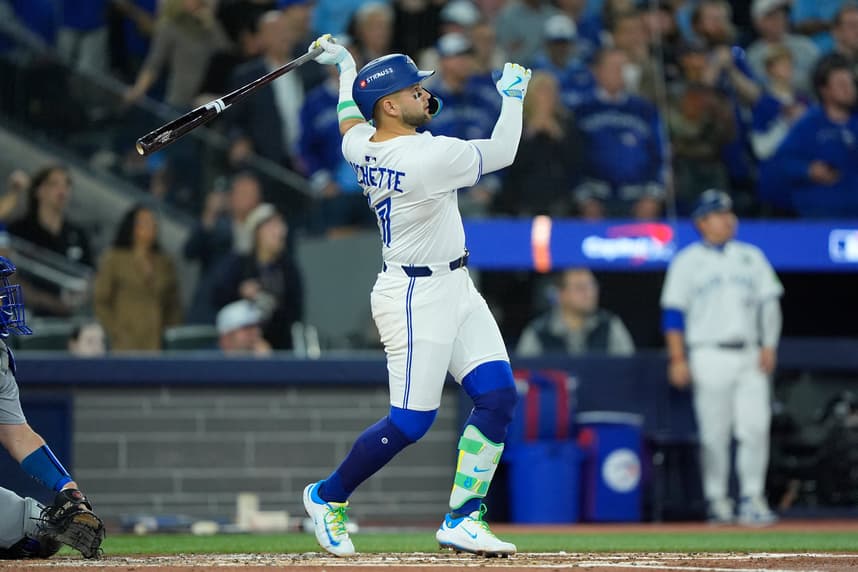
That has not happened.
The average is light, the on-base percentage is worse, and the slugging has been almost nonexistent. A .316 slugging percentage from a player expected to anchor the lineup puts pressure on everyone around him. It forces Juan Soto to do too much. It gives pitchers cleaner escape routes. It turns the lower half of the order into something opposing staffs can attack instead of fear.
This is not about Bichette needing to be perfect. It is about the Mets needing him to be useful enough for the lineup to function the way it was built.
The top of the order cannot carry this kind of void
The Mets already watched this problem show up early. Bichette heard boos at Citi Field in March and did not exactly pretend they were unfair, when I later covered how he agreed with the frustration.
That was supposed to be an ugly opening-week blip. It has become a season-long concern.
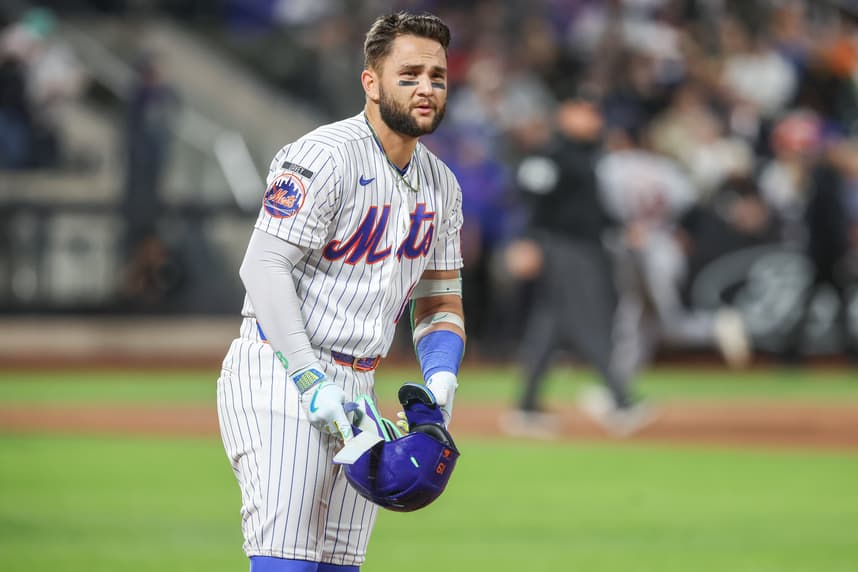
The Mets cannot keep carrying a bat like this near the top or middle of the order and expect the offense to look clean. Reaching base is not a luxury for Bichette. It is part of the job. When he is not getting on, the whole structure gets thinner because the next group of hitters loses traffic, pressure, and RBI chances.
The Mets have already had enough stretches where the lineup looks like Soto plus whatever else happens that night. Bichette was supposed to help prevent that. Right now, he is part of the reason it keeps happening.
The contract makes patience harder
There is no way around the money here.
The Mets gave Bichette 3 years and $126 million because they expected more than replacement-level survival. They expected a professional hitter with enough track record to settle into Queens and raise the floor of the offense.
Instead, the larger picture has stayed ugly. When the bat is not producing and the defense is not giving him much cushion, the entire conversation changes.
Bichette does not need to become the best hitter on the roster. That was never the ask. He needs to get back near the hitter he has been for most of his career, the one who can spray line drives, avoid empty at-bats, and keep innings alive.
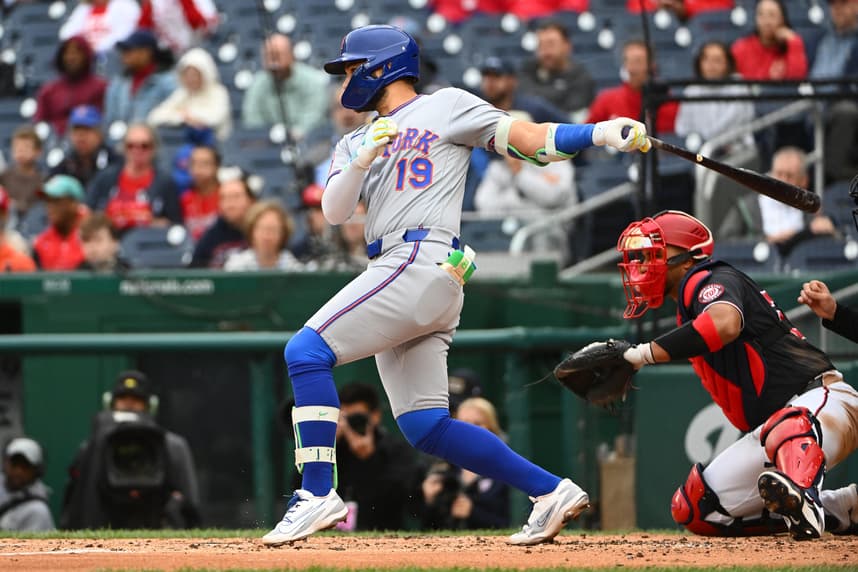
That version has not shown up often enough.
The Mets need the correction now
There is still time for Bichette to pull this back toward something respectable. His track record did not disappear overnight, and hitters with his contact history usually do not stay buried forever unless something deeper is broken.
But the Mets cannot just wait forever and call it patience.
If there are mechanical flaws, they need to get fixed. If the approach has drifted, it needs to get tightened. If he is pressing because of the contract and the market, that has to be managed too. The Mets paid for stability, not another offensive variable they have to babysit.
The lineup needs Bichette to be more than a name with past production attached to it.
Right now, that is all he has been too often.
More about:New York Mets