
 Andres Chavez
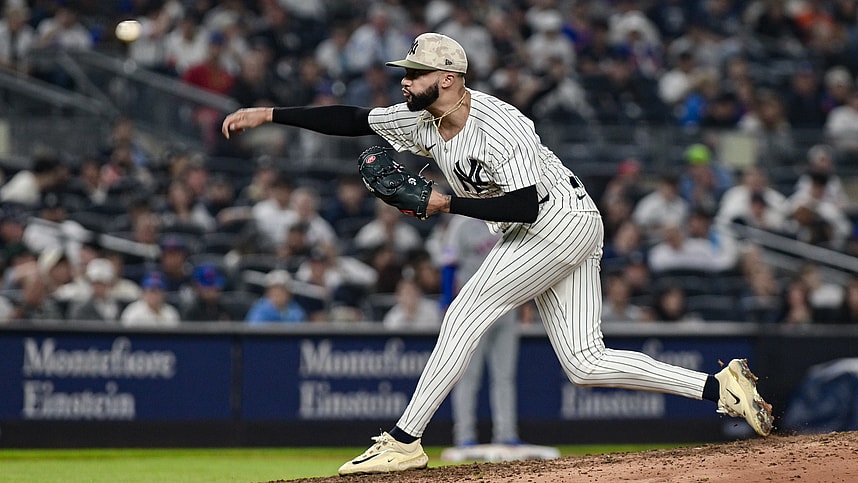
Sometimes a team makes a move that says more about its intentions than any press conference ever could. The New York Mets signing Devin Williams to a three-year deal just north of $50 million reads exactly like that kind of statement. It’s a bet on talent, a gamble on track record, and a quiet acknowledgment that last year’s bullpen churn left more holes than the front office was comfortable admitting.
A Bullpen Needing Stability
The Mets didn’t exactly tiptoe into the offseason. Losing Tyler Rogers, Ryan Helsley, Gregory Soto, and Edwin Diaz all at once forced the front office to rethink the structure of a relief corps that had once looked deep enough to survive a rough patch or two. Instead, an already mediocre group thinned out fast, and the Mets needed someone who could instantly stabilize the late innings.
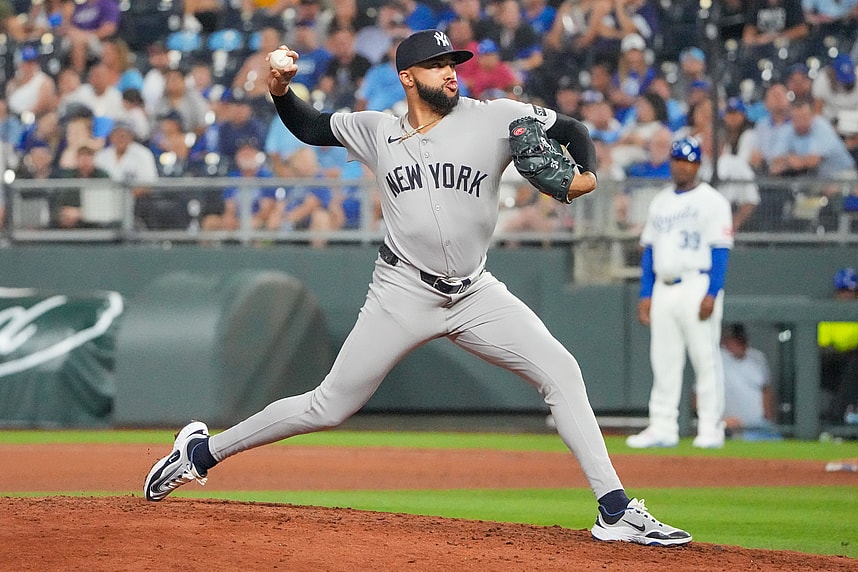
Williams fits that description as well as anyone available. Even in a rocky 2025 season with the Yankees, where a career-high 4.79 ERA stood out like a dent on an otherwise flawless surface, the raw ingredients never went anywhere. His career line still jumps off the page: a 2.45 ERA with 465 strikeouts in 297.2 innings. Pitchers with that kind of history don’t suddenly forget how to dominate; they just lose their footing for a while.
The Role Question That Isn’t Really a Question
One of the more interesting wrinkles in Williams’s arrival is his role. He’s been a closer almost his entire career, and every team that reached out made it clear they viewed him in that ninth-inning chair. The Mets weren’t different. Except there’s an obvious twist: they remain a strong candidate to bring back Edwin Diaz, a move that would immediately shift Williams into a setup role whether it’s convenient or not.
If that bothered him, he never showed it. Williams said all the right things at his introduction, but it didn’t sound scripted. He talked about preparation, not ego. The timing changes. The mindset doesn’t. For a team that spent much of last season navigating bullpen personalities and roles, that kind of humility matters more than people realize.
“I think that’s just more being prepared mentally and physically. If you’re going to be in before the ninth inning, you just need to be ready earlier. I don’t think it changes your mindset at all, it’s just a preparation thing, ” he said.
Why the Mets Are Betting Big
The Mets aren’t paying Williams to be the guy who labored through stretches in the Bronx. They’re paying him to be the version who carved up hitters for four straight seasons, the one whose changeup made big leaguers look like they were swinging underwater. If he’s even close to that pitcher again, the contract becomes a value play rather than an overpay.
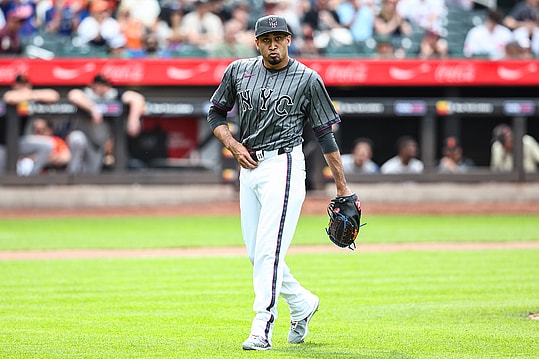
And if Diaz returns? Then the Mets have something even better than stability: an actual identity. A bullpen that shortens games. A duo that turns the final six outs into a puzzle no lineup wants to solve. Call it vintage, call it aspirational, but it’s the kind of late-inning combination the Mets haven’t had in years.
What Comes Next
None of this guarantees anything. Relievers are notoriously volatile, and Williams is coming off a season that proved exactly that. But the Mets weren’t looking for guarantees. They were looking for upside, reliability, and postseason-level stuff. They found it in a pitcher who’s already shown he can dominate New York when things are right.
The signing won’t define the Mets season on its own, but it says plenty about how they want the ninth inning — and maybe the eighth — to look. If Williams rebounds and Diaz returns, the Mets might finally have their anchor again. And if that happens, the rest of the league will feel it long before the ninth inning rolls around.

More about:New York Mets
