
 Andres Chavez
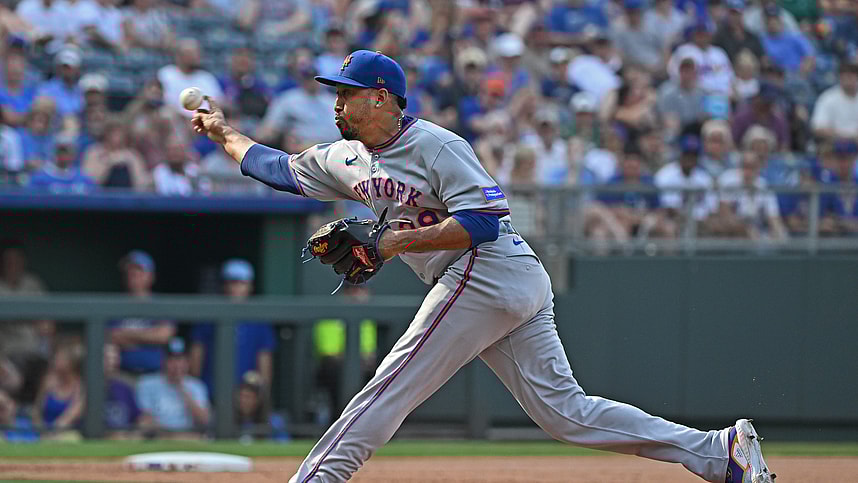
A quiet detail told the story before anyone realized it. Devin Williams joined the New York Mets just a few days ago, the kind of standard offseason moment that barely registers in December, yet it created a storm that wouldn’t hit full force until Edwin Diaz walked away on Tuesday. The Mets didn’t know it then, but one reliever’s welcome party was another’s breaking point.
A Small Oversight With Big Consequences
It’s easy to say the Mets lost Edwin Diaz to the Dodgers because Los Angeles threw around dollars like they usually do, but the truth is more tangled. Diaz had been viewed as a near lock to stay in Queens. He’d thrived there, posted a 1.63 ERA in 2025, and was beloved by a fan base that wrapped itself in the energy he brought to the ninth inning. The Mets felt confident enough in that relationship to move quickly on Williams, locking him in for three years and $51 million.
On paper, it was a savvy move. Strengthen the bullpen early. Add one of the league’s premier late-inning arms. Create an elite tandem if Diaz returned. Depth wins over 162 games, and the Mets had struggled to keep relief help healthy and consistent. Logically, this made all the sense in the world.
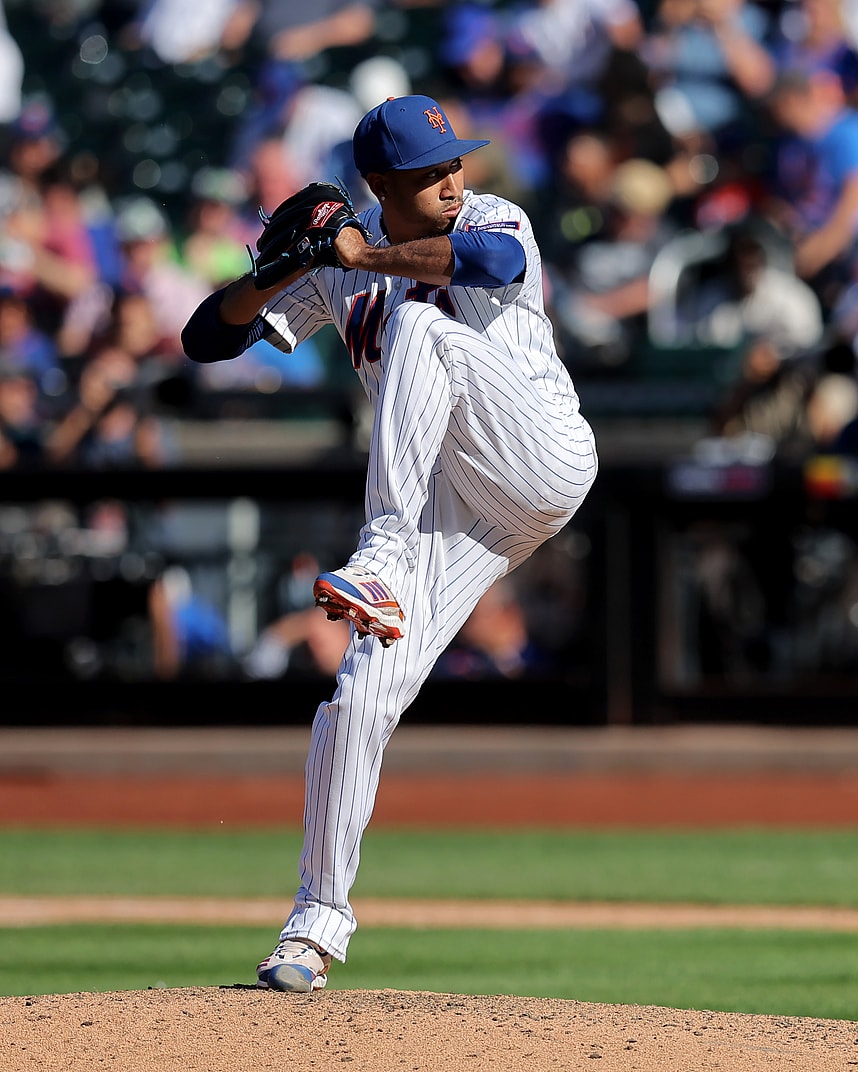
But baseball decisions don’t live on spreadsheets. They live in people.
The Missed Call That Changed the Winter
Jeff Passan’s report made the dynamic clear: Diaz “did not get a call giving him a heads up” about Williams arriving, and that silence landed differently than the Mets intended. The front office wasn’t required to notify him, and many clubs wouldn’t have. Still, courtesy and communication carry weight, especially with a centerpiece player who’d publicly said he wanted to stay.
Instead, Diaz felt blindsided. In his eyes, the Mets hadn’t built around him. They’d replaced him. Even if that wasn’t the plan, perception won out over intent, and the damage was done before anyone could frame it as partnership instead of succession.
The Dodgers Step In
Once things started drifting, they didn’t drift for long. Diaz accepted a three-year, $69 million offer from the Dodgers without circling back to the Mets, even though New York’s last proposal came in close at three years and $66 million with flexibility to go higher. That’s not the behavior of a player torn between two homes. That’s a player ready to turn the page.
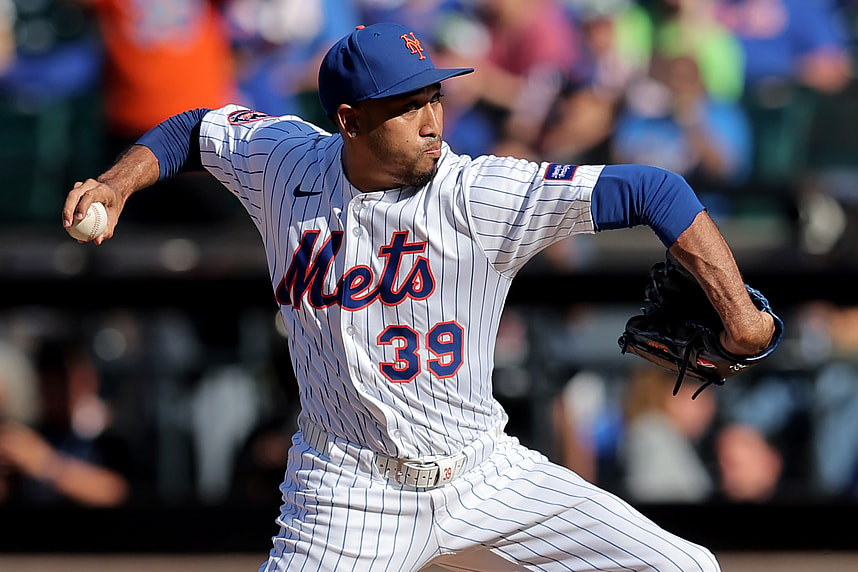
For the Mets, that’s the sting. Not just losing their closer, but losing him without a final chance to respond. One of the best relievers in baseball became a Dodger by choice, not by money alone.
What This Says About the Mets
This wasn’t about contract length or the last few million. It was about feel. The Mets are trying to build a smarter, steadier operation, and most days that means tight processes and firm timelines. But sometimes, the smallest human detail ends up being the biggest part of the story. A quick conversation could have avoided a misunderstanding, or at least softened it.
The Mets still have Williams, who is capable of closing games at an elite level. They still have time to reinforce the bullpen further. What they don’t have is Diaz, the guy who owned the ninth inning in Queens, the guy whose talent and swagger turned late innings into a spectacle.
He’s in Los Angeles now, and the Mets are left holding a winter they thought would go differently.
The question moving forward is simple: will the Mets treat this as a lesson in communication, or just a tough break? The answer might shape more than one future negotiation.

More about:New York Mets
