
 Quinton Fesq
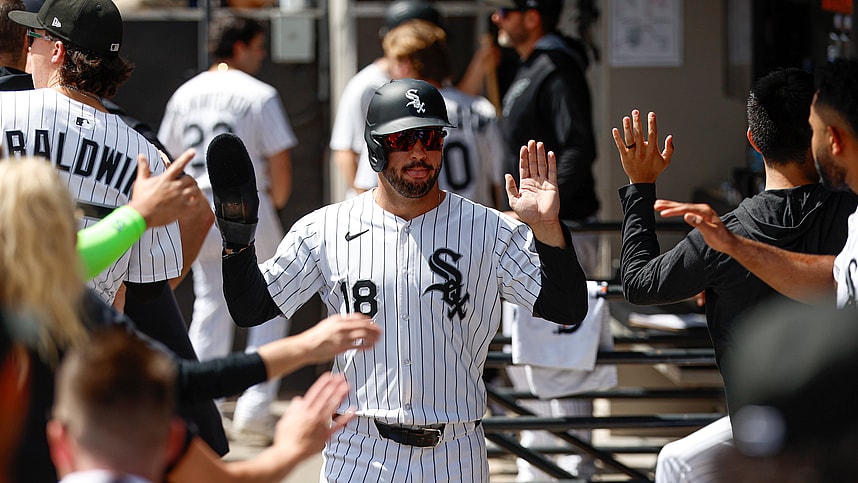
The New York Mets have agreed to a minor-league deal with outfielder veteran outfielder Mike Tauchman, adding some exciting depth to the outfield.
This move has David Stearns written all over it. Signing a 35-year-old outfielder to a minor-league deal might feel like a standard roster-filling move as pitchers and catchers report to Port St. Lucie. However, if you look at what Tauchman actually did in 2025, you start understanding why the Mets front office was interested. Stearns loves to find value in the margins, and he loves players who control the strike zone. Tauchman fits that mold perfectly. He isn’t coming here to be a superstar, and he probably isn’t even coming here to start, but he brings a specific skill set that this team values highly.
The Underlying Metrics: An On-Base Machine
If you want to understand why the Mets made this move, you just have to look at the plate discipline numbers from his 2025 season with the White Sox. Tauchman had a walk rate of 11.7% and an on-base percentage (OBP) of .356 in 385 plate appearances last season. That walk rate put him in the 84th percentile of all major leaguers. He simply does not give away at-bats.
His Chase Rate was in the 78th percentile, meaning he refuses to expand the zone when pitchers try to get him to fish. In an era where strikeouts are skyrocketing, having a guy who can grind out at-bats and force pitchers to work is a valuable asset, even if it comes from the bench.
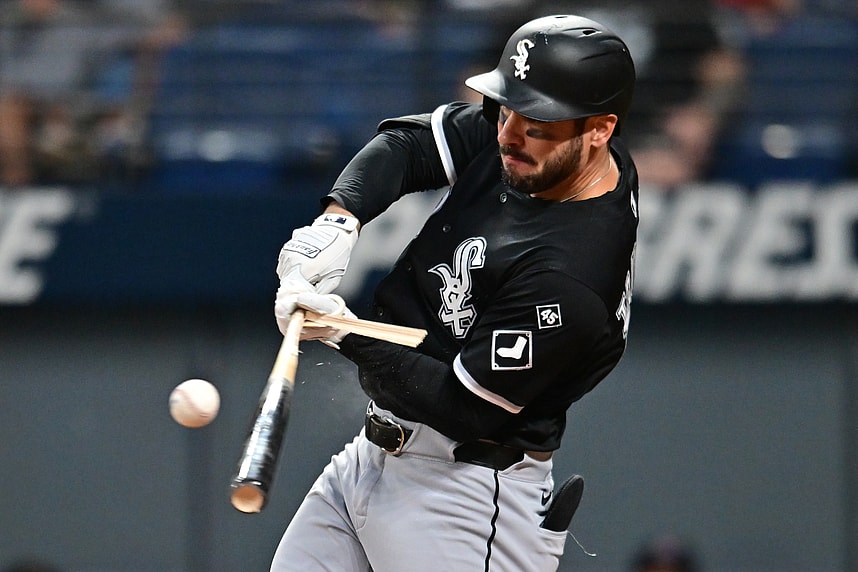
The results matched the approach last season. He slashed .263/.356/.400, which was good for a .756 OPS. However, the stat that really stood out was his 115 wRC+. For those who aren’t familiar, wRC+ creates a league-average baseline of 100, so Tauchman was essentially 15% better than the average MLB hitter last year. That is legitimate production. He wasn’t just surviving in Chicago, he was actually contributing to the offense in a meaningful way. His Batting Run Value was in the 68th percentile, showing that when he did swing, he was usually doing something productive for the team.
The Red Flags: Father Time remains undefeated
However, we have to be real about why he was available on a minor-league deal. The physical tools are declining, and the data backs that up significantly. His Sprint Speed has fallen off a cliff and has dropped to 4th percentile last season. He isn’t the guy who is going to beat out infield singles or steal bases anymore. That lack of speed also limits his range in the outfield, although his instincts are usually good enough to make him passable in a corner spot. You aren’t signing him for his legs, you are signing him for his eyes and his bat.
The other concern is his bat speed. His average Bat Speed ranked in the 12th percentile, which is a red flag that suggests he might struggle against high-velocity pitching. When you have slow bat speed, you have to make up for it with elite timing and decision-making. Tauchman clearly has the decision-making part down, as evidenced by his low whiff rates and high walk totals. But as he enters his age-35 season, the margin for error gets smaller. If his bat speed dips down even a little bit more, it becomes very hard to catch up to the heaters.
The 2026 Outlook: A Perfect Safety Net
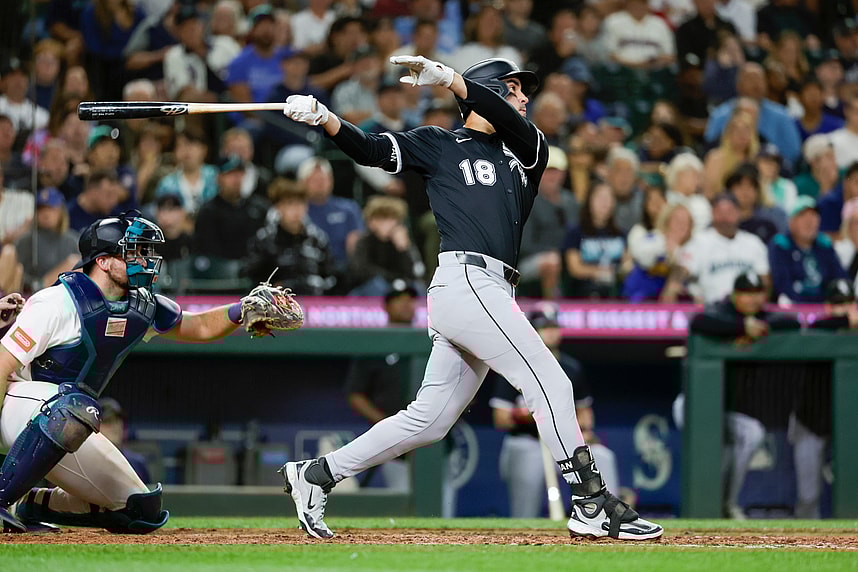
So where does he fit? The projections seem to think he still has some gas left in the tank. Steamer projects him for a 101 wRC+ in 2026, while ZiPS is a bit more conservative at 97. Basically, they see him as a league-average hitter. While that might not sound exciting, getting league-average production from a guy on a minor-league deal is a massive win for a front office. If an injury does happen to one of the starters, you aren’t calling up a prospect who isn’t ready. You are calling up a professional hitter who has done it before.
At the end of the day, this is a zero-risk move with some tangible upside. If Tauchman shows up to camp and the bat looks slow, the Mets can move on without it costing them anything. But if he carries that elite plate discipline into the spring, he gives the Mets a very reliable left-handed bat who can come off the bench, work a walk, and keep the line moving. It’s not the flashy signing that breaks the internet, but it’s the kind of smart, depth-building move that winning organizations make every single February.
More about:New York Mets
