Andres Chavez

The New York Mets tend to operate with a quiet confidence when it comes to building their organizational depth. Some teams chase the flashier names, but the Mets often focus on stocking up the system so they can survive the unpredictable grind of a long season. It’s a philosophy that doesn’t always make headlines in November or December, yet it repeatedly shows its worth by August. So when the Mets make a small move like a minor league signing, the baseball people inside the organization don’t see it as filler. They see opportunity.
A Subtle Move With Real Purpose
On Friday, the Mets announced the signing of infielder Jackson Cluff to a minor league contract with an invitation to spring training. SNY Mets noted that Cluff, now 28, owns a .688 career OPS in the minors and has spent most of his career holding down second base and shortstop, though he has experience all over the infield. It’s not the type of stat line that lights up fan forums, but the Mets rarely let a bland offensive résumé stop them from adding a player who fits their broader plan.
Internal competition is a big part of how the Mets operate. They bring bodies to camp, push players to sharpen their tools, and let roster pressure do the rest. Cluff slides naturally into that approach. He’s not walking into Port St. Lucie expecting a starting job, but he’s also not there to just wear a jersey. A player with his defensive range and willingness to move around the field tends to hang around longer than some might expect.
Betting on Development and Versatility
Cluff was once a sixth-round pick by the Nationals in 2019, and he even cracked their top 20 prospects at one point. That tells you he wasn’t always viewed as organizational depth. Something in his profile intrigued scouts, and the Mets are clearly willing to see whether that early potential can still grow with the right coaching.
There’s at least a hint of optimism baked into his 2025 season. Cluff posted a 106 wRC+ in Triple A, along with 12 home runs, 23 steals, and an impressive 13.3 percent walk rate. The strikeout rate at 28.7 percent stands out in a less flattering way, but the overall production shows a hitter who found a way to be above average despite his flaws. That kind of profile usually gets a second look from a club that values adaptability as much as the Mets do.
A Long Shot With a Path
Let’s be realistic: Cluff is unlikely to crack the Mets roster out of spring training unless something unexpected happens. But his chances aren’t zero, and that alone is meaningful. A good showing in camp keeps him on the radar. A productive run in Syracuse, if he chooses to stay, could put him next in line if injuries hit or if the big league bench needs a defensive jolt.
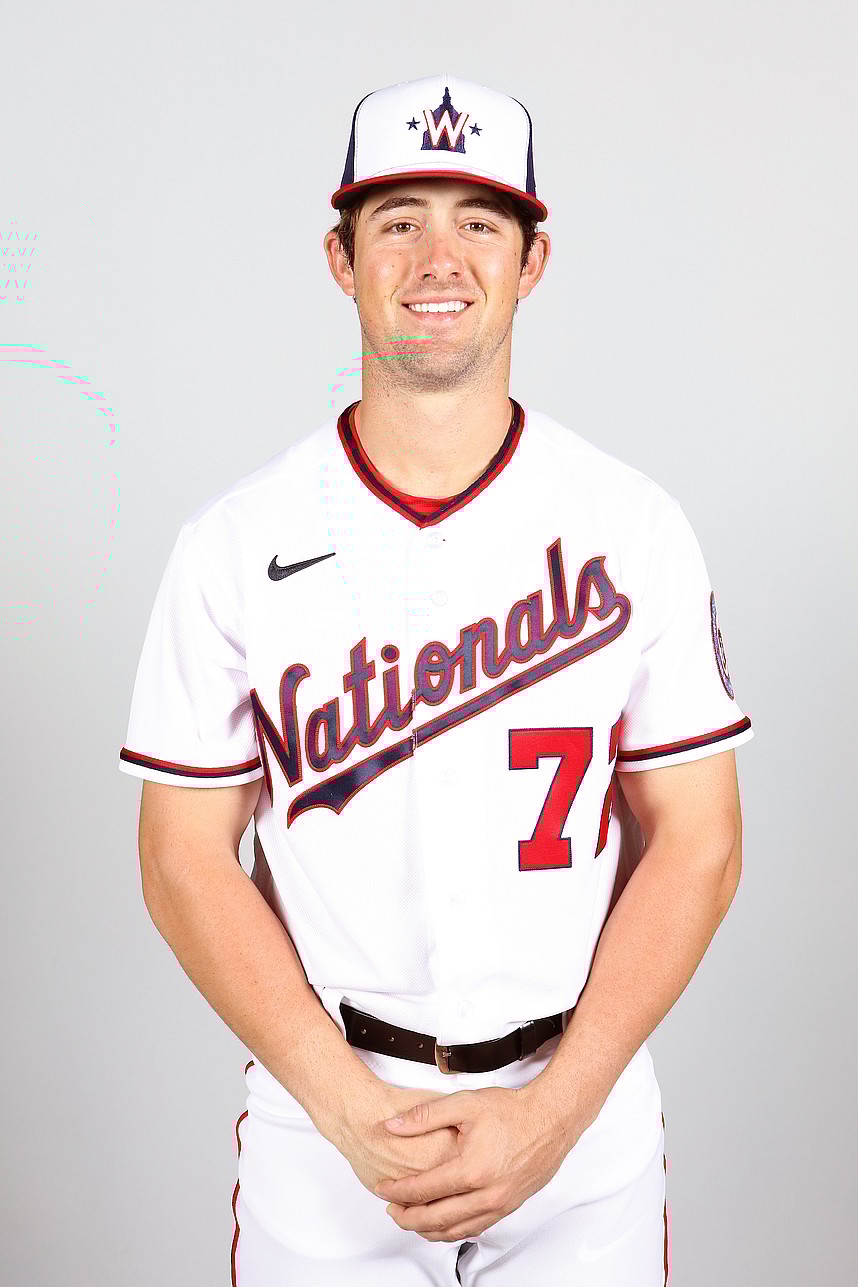
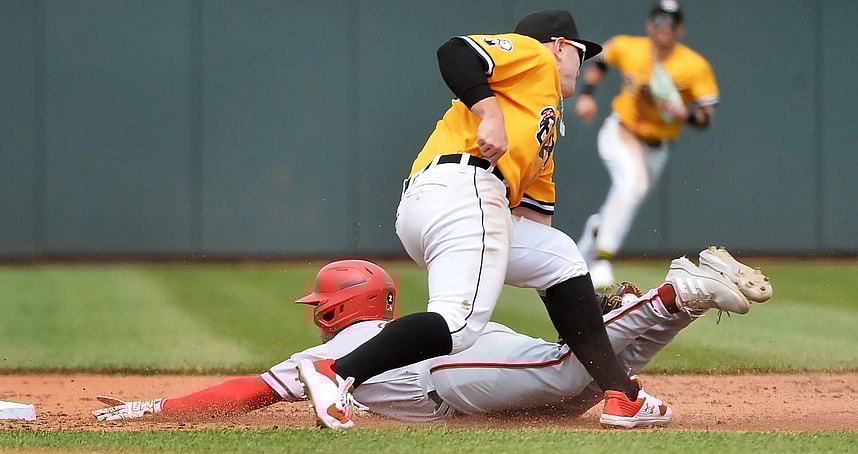
And the defensive story might be the real selling point. Cluff has played every position on the field except catcher and right field, even taking the mound a few times. If he can hit just enough to avoid being a liability, the Mets could find uses for him that other clubs might overlook.
In the end, the Mets didn’t sign Jackson Cluff to fix the roster. They signed him because he fits the way they build one. Maybe that leads to a debut in 2026, or maybe he becomes one more steady presence in Triple A waiting for a break. Either way, he walks into an organization that rewards persistence. Will he take advantage of it?

More about:New York Mets