
 Alexander Wilson
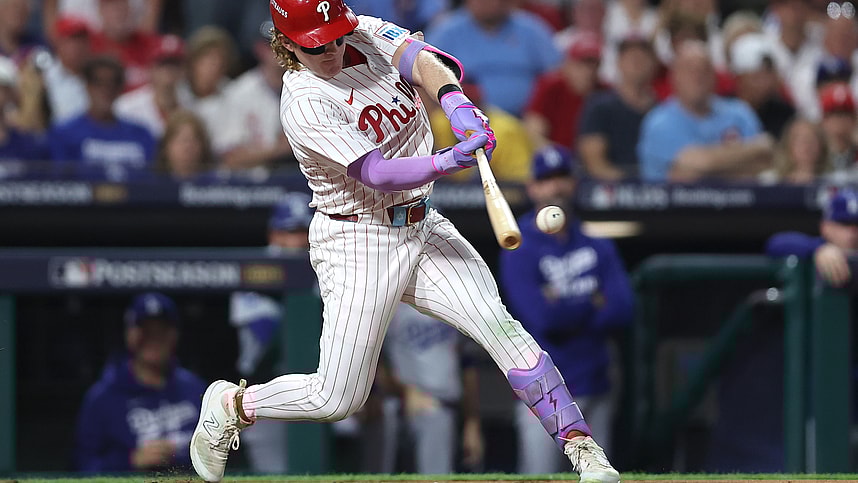
Seventeen home runs and a 122 wRC+ are the kind of numbers that get a journeyman paid, but they are also the kind of numbers that get a desperate general manager fired when the inevitable regression hits.
Harrison Bader just put together a career year split between the Philadelphia Phillies and Minnesota Twins, posting offensive statistics that make him look like a middle-of-the-order threat. However, if the New York Mets pay for that production thinking it is the new normal, they are buying a winning lottery ticket after the numbers have already been read.
The Offensive Trap Awaiting the New York Mets
The surface-level stats for Bader are admittedly seductive for a team needing a right-handed bat in the outfield. Last season, the 31-year-old played 146 games and hit .277 with a .347 on-base percentage and a .449 slugging percentage. He logged his highest slugging percentage since 2021 and drove in 54 runs, looking like a revitalized player.
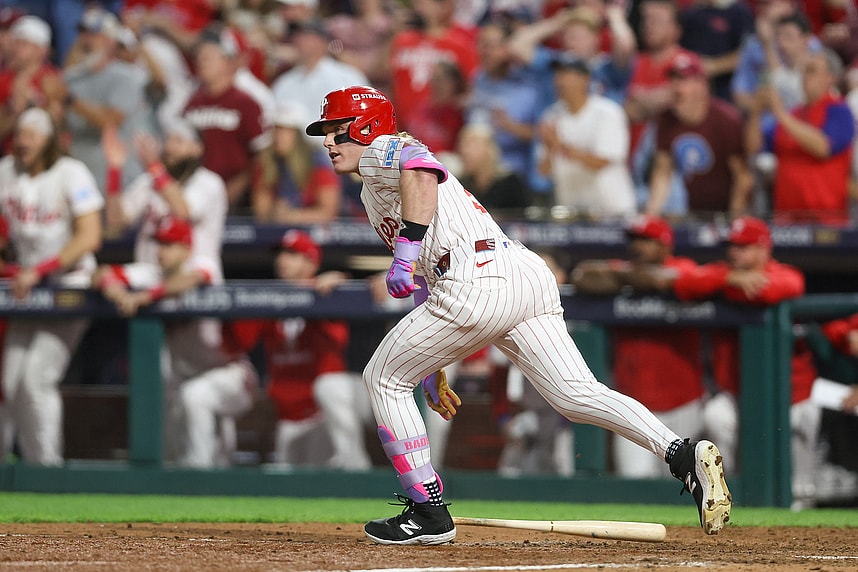
But you have to look under the hood before you buy the car. Bader definitely sold out for power a bit to achieve those numbers, sporting a ballooned 27.1% strikeout rate. While he was above average in barrel rate and bat speed, his expected results were significantly lower than his actual output. That gap is a screaming siren warning of a regression candidate next season. The Mets will certainly have to be careful about trusting his offensive profile because the fall from a career year is often steep and unforgiving.
Buying Elite Defense for a Championship Run
Even if the bat turns back into a pumpkin, there is a legitimate reason to bring Bader to Queens. The Mets need another piece to the puzzle, and at the very least, he will give you elite defense every single day. You never know if he’ll go on a hot stretch offensively or even maintain what he did last year, but the glove is a guaranteed commodity. He will protect against Juan Soto’s dismal defensive output.
He posted a .988 fielding percentage over 1,105.2 innings in the field, which included 13 defensive runs saved and six outs above average. That is the kind of run prevention that saves pitching staffs and wins tight games in October. If the Mets are serious about contending for a championship, having a centerfielder who catches everything is a luxury worth paying for, regardless of his batting average.
Protecting Carson Benge and Replacing Jeff McNeil
The context of this potential move is just as important as the player himself. The Mets have a few vacancies in the outfield and with the expectation that they will try to trade veteran utility man Jeff McNeil, the depth chart is thinning out. They have a star outfield prospect in Carson Benge nearing a possible promotion next season at some point, but the timeline is tricky.
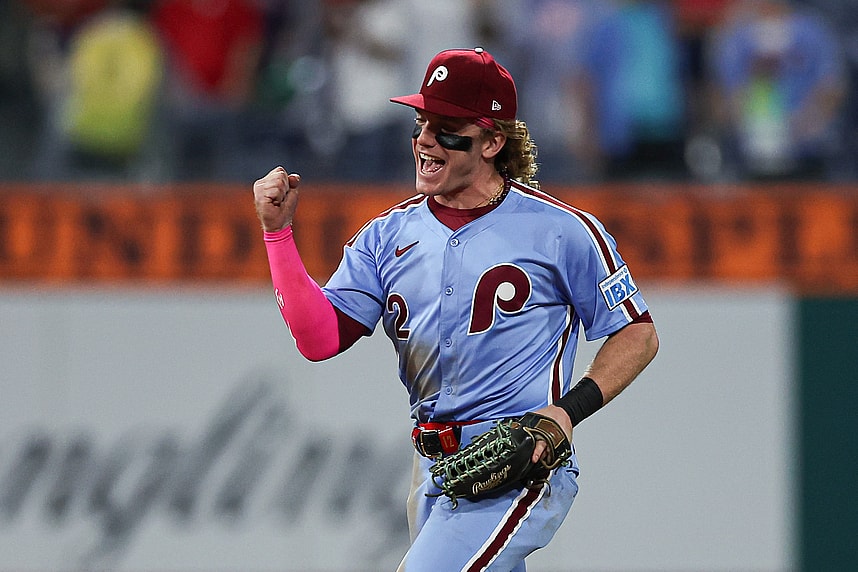
The Mets don’t want to depend on a youngster to fill a critical need on a championship-contending team right out of the gate. Bringing in a veteran like Bader bridges that gap perfectly. It allows Benge to develop at his own pace without the pressure of being a savior.
The Financial Reality for the New York Mets
The projected cost for this reunion makes a ton of sense for a big-market club. Bader has a projected contract in the $25-30 million range over two years. That isn’t too bad for a floor-raising move that solidifies the defense and adds veteran presence.
It represents a calculated gamble. If Bader maintains even 80% of his offensive production from last year, the contract is a steal. If he regresses heavily, he is still a premier defensive replacement who allows the Mets to ease Benge into the lineup. The Mets need certainty in the outfield, and while Bader’s bat is a question mark, his value to a winning culture is undeniable.

More about:New York Mets
