
 Andres Chavez
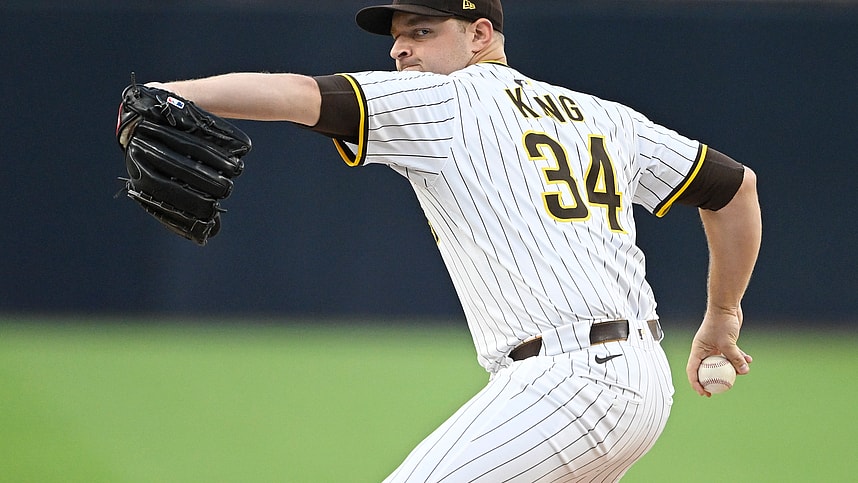
Sometimes an offseason really starts to take shape the moment a rumor becomes a conversation. For the New York Mets, that moment arrived the second word got out that the front office hopped on a video call with Michael King. One thing about this front office: they don’t waste meeting time on pitches they don’t believe in.
The Mets Know Exactly What Their Rotation Lacks
The Mets haven’t tried to spin their pitching issues into something they’re not. Everyone sees the holes. Even after signing Devin Williams to stabilize the late innings, the organization still needs a firm anchor near the top of the rotation. Kodai Senga can carry a staff when he’s healthy, but he can’t do it alone, and the club’s internal depth feels more intriguing than dependable.
So the Mets have been shopping everywhere. Framber Valdez. Ranger Suarez. Tatsuya Imai. And, most notably, Michael King. You could build an entirely new rotation just from the names they’ve been linked to, but the attention they’ve given King has a different edge. It feels targeted.
King Fits the Timeline and the Mentality
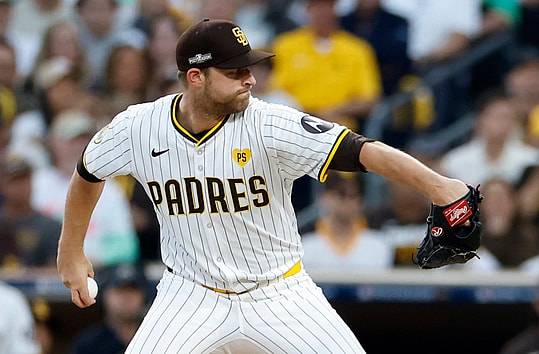
Joel Sherman reported that the Mets held a video meeting with the right-hander, and while King isn’t speaking exclusively with them, the meeting itself says plenty. They wanted face time. They wanted to hear him talk about his work, his transition into a full-time starter, and how he sees his future. You don’t go that route unless you’re serious.
And King, for his part, checks all the Mets’ boxes. He’ll pitch next season at 31, which is the sweet spot for a team trying to win now without committing to a long-term decline phase. He’s coming off back-to-back effective seasons as a starter with San Diego, highlighted by a 3.44 ERA, a 1.20 WHIP, and 76 strikeouts in 73.1 innings before injuries cut his 2025 short. Those numbers aren’t flashy for the sake of being flashy. They’re the profile of a pitcher who knows how to navigate a lineup and misses bats without losing command.
Put that in the Mets rotation today and he’s instantly one of their best arms.
Where He Fits Among What’s Already There
The Mets don’t need King to be a savior. They need him to be a stabilizer. Nolan McLean brings electricity but still has to grow into the job. Sean Manaea and David Peterson provide innings with streaks of reliability. Brandon Sproat and Jonah Tong represent the future but aren’t ready to shoulder heavy loads. The club’s problem isn’t talent. It’s the lack of someone who can consistently create order every fifth day.
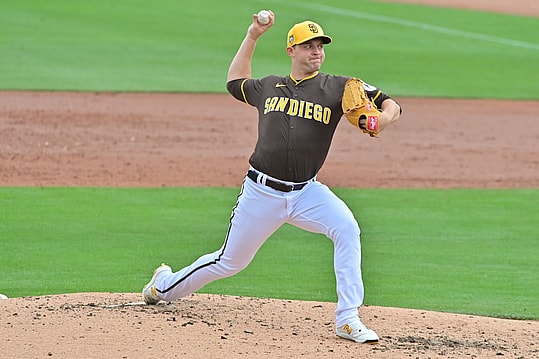
King would give them that. His style doesn’t rely on overpowering velocity. He wins by sequencing, mixing, adjusting on the fly, and digging deeper as games stretch out. That meshes well with a Mets rotation that doesn’t have a singular identity yet. Add King, and suddenly things align a little cleaner.
What the Mets Should Be Thinking Right Now
The Mets can chase big names all winter, but they need pitchers who fit their current arc. King fits better than most. He’s still ascending, he understands the grind of shifting roles, and he’s earned the right to be viewed as more than a mid-rotation piece. Pair him with Senga and see how the rest sorts itself out.
This is the kind of move that tightens a roster without screaming for attention. And sometimes, that’s the move that changes a season.

More about:New York Mets
