
 Andres Chavez
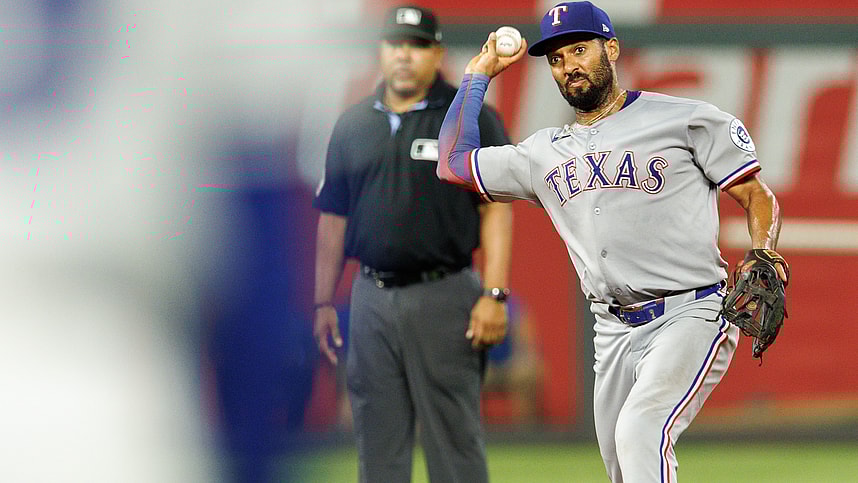
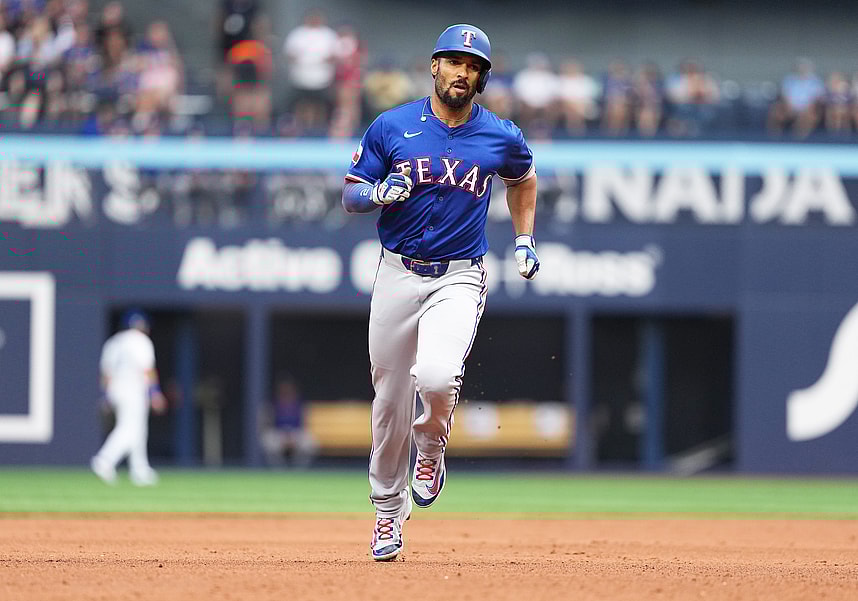
A trade like this usually begins with whispers. A name here, a contract there, a quiet acknowledgement that something isn’t lining up the way it used to. Then the phone rings, the conversation shifts, and suddenly the New York Mets are sending Brandon Nimmo to Texas while Marcus Semien packs for Queens. It feels abrupt because it is. The kind of move that forces you to read the alert twice just to make sure you didn’t misinterpret it.
Why the Mets Would Move a Productive, Popular Outfielder
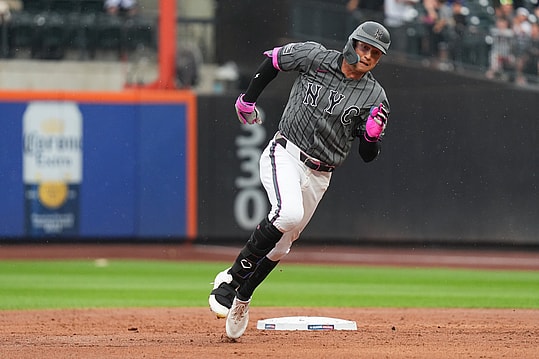
On paper, trading a 32-year-old outfielder who just slugged a career-high 25 home runs for a 35-year-old second baseman coming off his worst offensive season looks counterintuitive. Mets fans didn’t hesitate to say so. Nimmo posted a strong 114 wRC+ in 2025, still carried some on-base magic, and remained a fixture in the clubhouse. Semien hit an uncharacteristic wall, finishing with an 89 wRC+ and stretches where his bat looked a beat late on everything.
But the Mets weren’t chasing sentiment when they made this decision. They were watching the tape. Nimmo’s defense has been sliding for two years, subtly at first, then in ways that mattered during tight games last summer. Four Defensive Runs Saved looks solid until you pair it with zero Outs Above Average and the diminishing range that often hides inside those numbers. His arm strength has taken a slight dip too, and the nagging injuries that have always peppered his career started creeping in again. The Mets saw the early signs of a physical trend they didn’t want to be paying for deep into his thirties.
The Defensive Upgrade at Second
Semien, even at 35, still defends like someone who refuses to cede an inch of turf. He posted five DRS and seven OAA at second base, numbers that easily outclassed the combined work of Jeff McNeil and the other internal options the Mets shuffled through the position. Defense cratered for the Mets in the second half, often in ways that didn’t show up in the next morning’s box score but changed innings and eventually changed outcomes. Semien stabilizes that. He brings order to a part of the field that desperately needed it.
And yes, the contract dynamics matter. The Mets exchanged five pricey years of Nimmo for three expensive years of Semien. Bad money out, bad money in, but with significantly less runway on the Mets’ books. That shorter commitment gives the front office more flexibility to pivot over the next few winters.
Betting on a Bat With Bounce-Back Signs
There’s another layer here, the one that quietly convinced the Mets this was worth doing. Semien’s bat isn’t cooked. His 2025 expected numbers tell a different story than the surface line. A .317 xwOBA compared to a .295 wOBA suggests he hit into some misfortune. It also aligns closely with his career .319 xwOBA. If the Mets believe their hitting group can clean up the swing decisions that slipped last year, a partial rebound doesn’t feel far-fetched.
And if he returns to even a portion of the production he showed from 2021 to 2024, when he posted at least 23 home runs and 100 runs scored every season, the Mets walk away with a competent top-of-the-order presence who still plays elite defense. That’s not a bad outcome when you’re also shedding two extra contract years.
What Comes Next for the Mets
Semien’s arrival all but ensures another domino is coming. Jeff McNeil’s fit suddenly looks tenuous. He becomes a logical trade chip, and the Mets now have real incentive to reallocate resources into the outfield. They’ve been poking around that market already. Kyle Tucker is the dream with Cody Bellinger being the more conventional free-agent route. Either way, the Mets didn’t create this hole without a plan to fill it.
A blockbuster involving two aging players with heavy contracts doesn’t offer instant clarity. It takes a little imagination, a little projection, and a willingness to see beyond the surface stats. The Mets clearly believe they’ve bought themselves defensive stability, a shorter financial commitment, and a chance at an offensive rebound from a veteran with a long track record of producing. Whether that bet pays off will define the next phase of this roster, and it might hint at just how aggressive New York plans to be in reshaping the outfield around it.

More about:New York Mets
