
 Andres Chavez
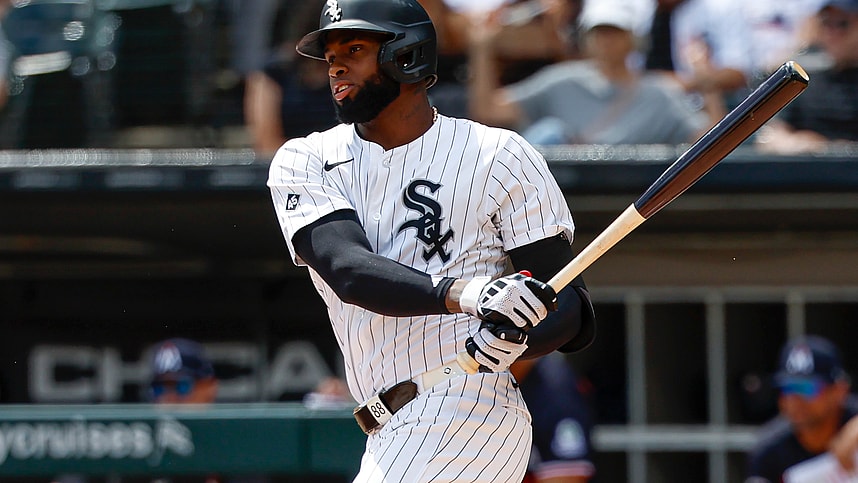
Powerful agent Scott Boras believes one of his clients, New York Mets‘ center fielder Luis Robert Jr., has everything to finally rebound after two down seasons in Chicago. Meanwhile, we analyze Bryan Hudson’s fit on the roster. Let’s dive into the news!
Mets: Agent Scott Boras explains why Luis Robert Jr. will succeed in Queens
The Mets didn’t just patch a hole in center field—they tore down the revolving door and installed a potential star. After cycling through Jose Siri’s injury-shortened stint, leaning on Tyrone Taylor’s glove-first profile, and enduring Cedric Mullins’ 66 wRC+, the front office made it clear that 2025’s instability wouldn’t be repeated. Trading for Robert was a declaration that the middle of the outfield would no longer be a liability.
Robert, 28, brings both risk and tantalizing upside. Just two seasons ago, he delivered a 30-homer, 20-steal campaign, won a Silver Slugger, and was worth 5.3 WAR. Even in a down stretch that included an 84 wRC+ and persistent hamstring and groin issues, his underlying traits remained loud. His bat speed ranks in the 92nd percentile, and defensively he posted +7 Outs Above Average while maintaining 29.0 ft/sec sprint speed. With Juan Soto sliding to left field, Robert’s range becomes essential.
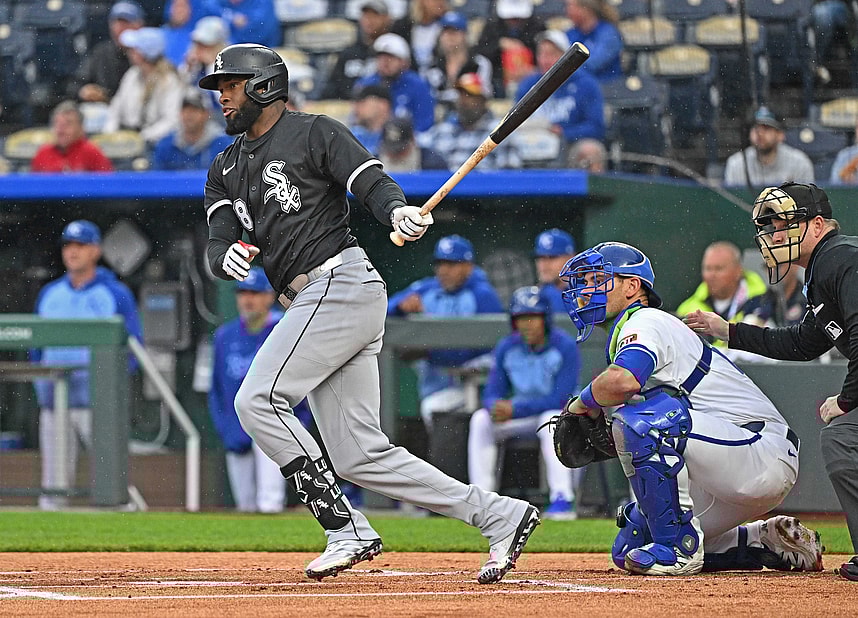
Scott Boras has already framed the move as transformative, citing the benefits of playing alongside Soto and competing daily. If Robert trims his chase rate—long his Achilles’ heel—the ceiling rises significantly. The Mets are assuming $20 million this year with a 2027 club option and surrendered Luisangel Acuña and Truman Pauley, signaling a clear win-now mindset. It’s a calculated gamble on talent over projection.
Mets acquire LHP Bryan Hudson: 2026 expectations and roster fit
The Mets quietly added bullpen depth by acquiring 6-foot-8 left-hander Bryan Hudson from the White Sox for cash considerations, clearing a roster spot by placing Reed Garrett on the 60-day injured list. Hudson enters camp as a classic rebound candidate—just one year removed from dominance, yet coming off a season that raised red flags.
In 2024 with Milwaukee, Hudson was electric: a 1.73 ERA, 0.72 WHIP, .133 opponent batting average, and a Pitching Run Value in the 90th percentile across 62.1 innings. He relied on a three-pitch mix—four-seam fastball (52%), cutter (24%), and sweeper (23%)—and although his velocity averaged just 91.3 mph, his elite 7.4-foot extension (99th percentile) created deception and weak contact.
That formula unraveled in 2025. Over 15 MLB innings split between Milwaukee and Chicago, his ERA ballooned to 4.80 and his WHIP to 1.87. His fastball dipped to 90.3 mph, his walk rate climbed, and his Run Values fell to -3 on the fastball and -4 overall. The extension remained elite, but without sharp command or that extra tick of velocity, hitters adjusted. Projection systems see a middle ground in 2026—Steamer forecasts a 3.65 ERA, while FanGraphs Depth Charts peg him at 4.00. Out of minor league options, Hudson will likely break camp if he proves he can rediscover the narrow margin that made him effective.
Why Carson Benge could change everything for the 2026 Mets
Carson Benge represents the Mets’ most intriguing internal wild card this spring. The 2024 first-round pick surged through the minors last season, but his rapid climb revealed both promise and growing pains. His performance forced the organization to consider whether his development is ready for the major league spotlight.
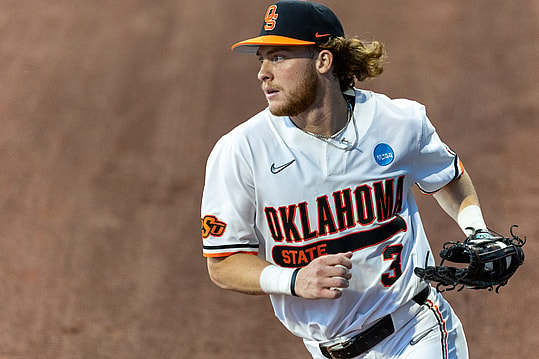
At Double-A Binghamton, Benge dominated over 32 games, slashing .317/.407/.571 with a .978 OPS and a 184 wRC+. His blend of contact, power, and strike-zone command accelerated a promotion to Triple-A Syracuse. There, the adjustment proved steep. In 24 games, he hit just .178/.272/.311 with a .583 OPS as veteran pitchers exposed holes and his strikeout rate climbed. The small sample doesn’t erase his upside, but it underscored the challenge of the final developmental step.
Projections suggest moderation in 2026. Steamer envisions a .236/.314/.371 line over 73 games, while ZiPS projects .246 with a .399 slugging percentage and a 106 wRC+ across 116 games. Both systems forecast roughly 6–11 stolen bases, highlighting his athleticism. With the Mets aiming for contention, patience may prevail, especially given his ability to handle all three outfield spots. Whether he breaks camp or arrives midseason, Benge’s timeline will hinge on balancing immediate needs with long-term growth.

More about:New York Mets
