
 Andres Chavez
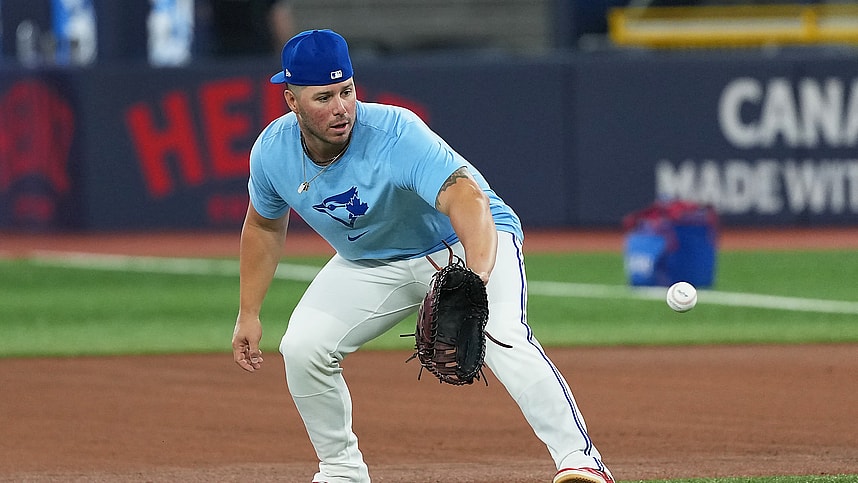
The New York Mets could really use a slick-fielding complement to Jorge Polanco, and Ty France is a very solid alternative despite his underwhelming offensive profile. Polanco can hit, but France is a much better fielder and could be a nice complement. The team is interested, but faces tough competition for his services.
Mets reportedly show interest in slick-fielding first baseman Ty France
With Pete Alonso gone, the Mets are officially operating in a different universe—one defined less by star power and more by fit. David Stearns’ interest in France reflects that shift. France isn’t being pursued for his bat, which took a step back in 2025, but for something far more practical: elite defense at first base. After bringing in a bat-first player for the position in Jorge Polanco, the Mets appear to have decided that stability at the “cold corner” also matters.
France’s value lies in preventing chaos. His defensive metrics place him among the very best at his position, and for a pitching staff built on efficiency and run prevention, that matters. The Mets can live with light power production if it means fewer extra outs, fewer extended innings, and fewer pitchers unraveling behind shaky defense.
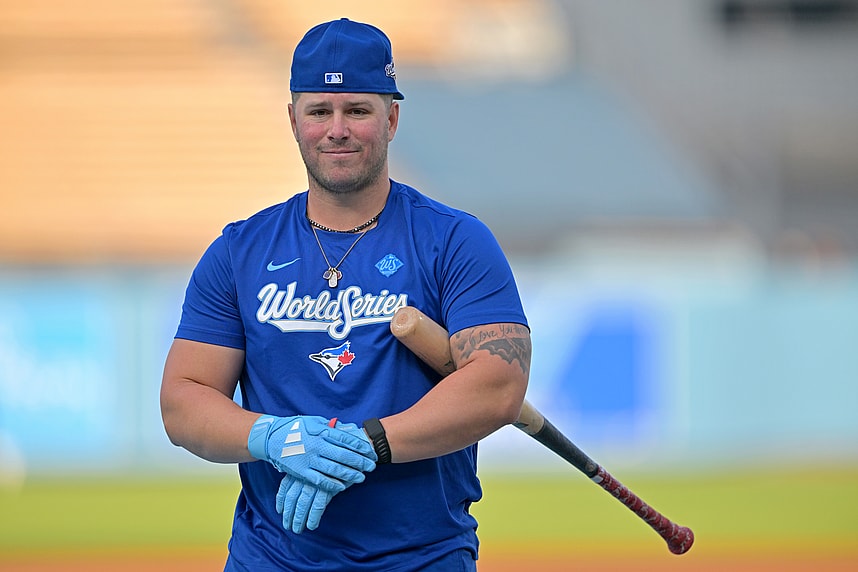
If acquired, France would likely be deployed strategically—handling first base, punishing left-handed pitching, and allowing Polanco to be used in more favorable offensive situations. It’s not flashy, and it’s a far cry from Alonso-era fireworks, but it’s emblematic of a front office prioritizing structure over sentiment. In this new Mets era, boring might actually be smart.
Why Sean Manaea is the Mets’ ultimate wild card in 2026
Sean Manaea’s 2025 season was a contradiction. On one hand, his strikeout and walk rates suggested some of the best command of his career. On the other, an avalanche of home runs and limited availability torpedoed his overall value. The result was a season defined less by performance and more by frustration, as injuries and inconsistency prevented him from being the reliable innings-eater the Mets expected.
Digging deeper reveals why projection systems remain optimistic. Manaea’s elite K/BB ratio hints that his inflated ERA was driven by poor luck, small sample size, and a home run rate that is unlikely to repeat at the same extreme level. Models like Steamer see him rebounding into a solid mid-rotation arm, capable of delivering league-average or better results if he stays healthy.
That last part is the gamble. Entering his age-34 season, Manaea’s floor has never been lower, but his ceiling remains useful for a team in need of rotation depth. For the 2026 Mets, he’s less a foundation piece and more a bridge—one that could stabilize the staff or collapse under durability concerns. The margin for error is thin, but the upside still exists.
Tobias Myers can be the Mets’ X-factor in 2026
Freddy Peralta’s arrival gives the Mets what they’ve been chasing for years: a legitimate ace. Coming off a Cy Young-caliber season, Peralta instantly reshapes the rotation and the expectations surrounding it. This is the kind of pitcher who doesn’t just win games, but sets a tone for an entire staff.
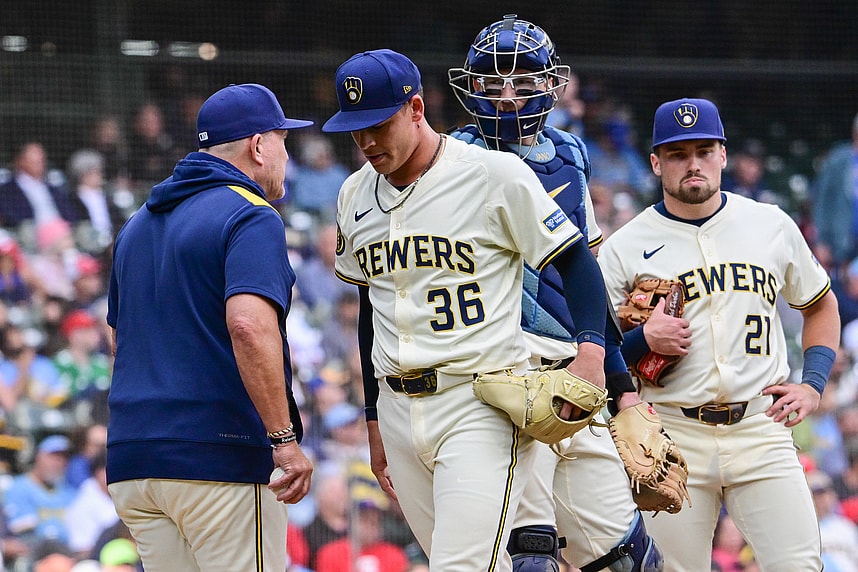
Yet the quieter part of the deal may be just as important. Tobias Myers brings versatility, composure, and long-term control—traits that often decide seasons behind the scenes. Whether starting, relieving, or bridging gaps when injuries strike, Myers has shown an ability to handle pressure without beating himself. His success in multiple roles gives the Mets something they’ve lacked: real, functional depth.
The cost was steep, and the prospect debate will rage on, but the message is unmistakable. The Mets are done waiting. With Peralta anchoring the rotation and Myers providing insurance everywhere else, Stearns has pushed his chips to the center of the table. It’s a calculated risk, but one that signals a franchise fully committed to winning now.

More about:New York Mets
