
 Andres Chavez
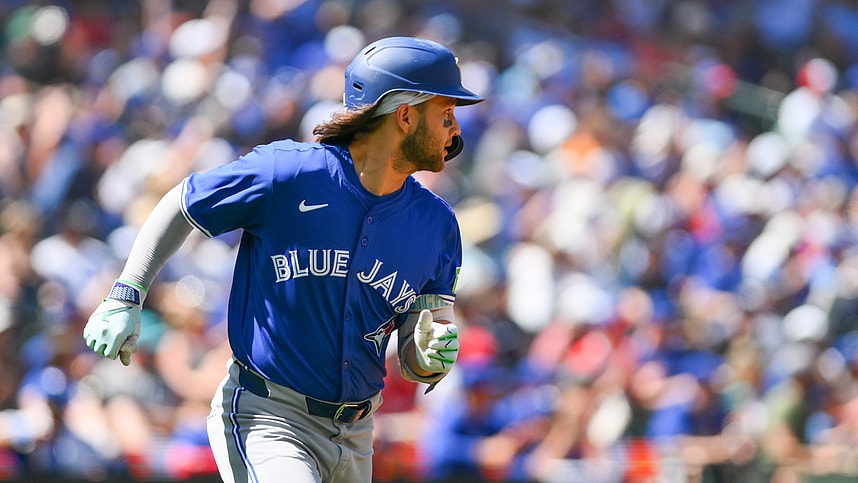
The New York Mets offered Kyle Tucker a four-year, $220 million contract. Unfortunately, the Los Angeles Dodgers signed him to a four-year, $240 million deal. The Mets, however, pivoted quickly and secured the services of infielder Bo Bichette on a three-year, $126 million pact to play third base. The move creates a logjam that could result in a Mark Vientos trade and a multi-position role for Brett Baty. Let’s dive into the news of a busy day in Queens!
Mets ink Bo Bichette to 3-year contract after Kyle Tucker whiff
The Mets’ offseason took a sharp turn after losing Tucker to the Dodgers, but David Stearns wasted no time reshaping the plan. By landing Bichette on a three-year deal, New York added one of the game’s most reliable contact hitters and addressed a more immediate lineup need.
Bichette’s elite bat-to-ball skills, strong quality-of-contact numbers, and ability to lengthen the lineup behind Francisco Lindor give the Mets a different kind of offensive weapon—one built to pressure pitchers rather than overpower them.
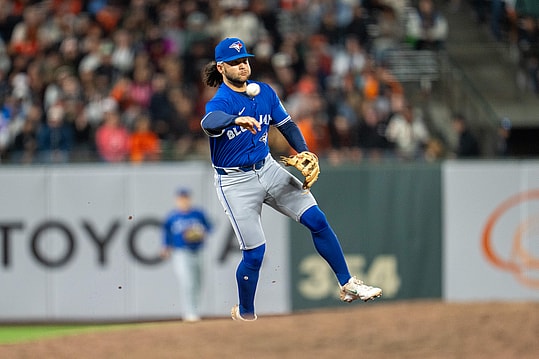
A defensive shift to third base helps maximize his value while stabilizing the infield alongside Lindor and Marcus Semien. The move also creates leverage elsewhere, turning young infielders like Baty and Vientos into potential trade assets as the Mets continue to hunt for roster upgrades.
Mets are now likely to trade Mark Vientos after adding Bo Bichette: What happens to Brett Baty?
Bichette’s arrival wasn’t just about star power—it was about changing how the Mets’ offense functions over a full season. His steady, competitive at-bats bring balance to a lineup that needed more contact and consistency, and his placement at third base reflects confidence in his bat carrying immediate impact. That confidence, however, creates a roster squeeze.
Vientos now finds himself without a clear role despite recent offensive growth, making him a logical trade candidate. Baty’s situation is more fluid, with the Mets valuing his versatility and breakout performance enough to envision him as a multi-position solution rather than trade bait. While the infield is crowded, the outfield remains unsettled, leaving room for players like Baty to carve out value. Bichette’s signing clarified priorities—balance, flexibility, and tough decisions—without fully closing the door on further moves.
Mets: Plan B after failed Kyle Tucker pursuit involves Harrison Bader or a trade with the Red Sox
Missing out on Tucker exposed a larger issue for the Mets: an outfield dangerously short on proven production. With several veterans gone and Tyrone Taylor coming off a rough offensive season, the current mix around Juan Soto lacks both depth and reliability. That weakness now stands out more than questions in the rotation or bullpen, because it risks putting unsustainable pressure on the rest of the roster.
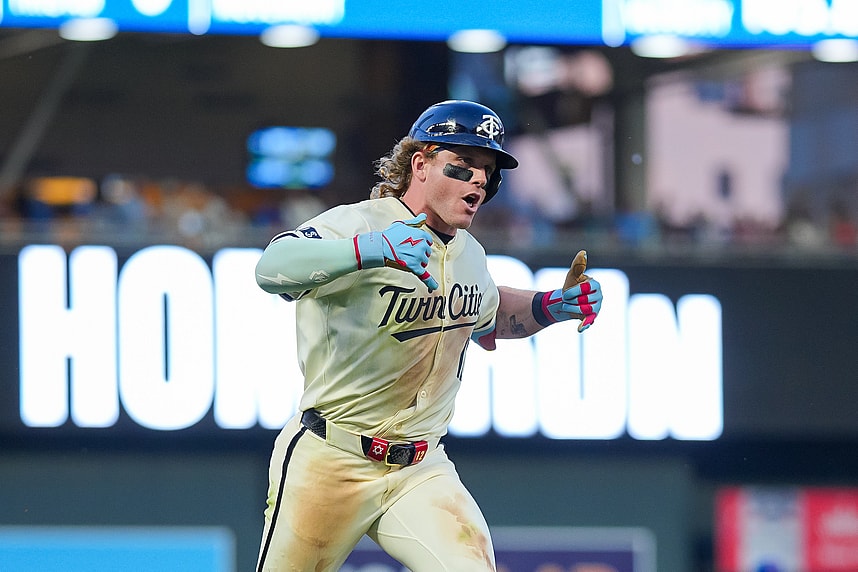
Short-term fixes like Harrison Bader could stabilize things defensively while buying time, while trade options—particularly with Boston—offer more upside if the Mets are willing to pay the price. Names like Jarren Duran fit both the roster and the moment, even if bigger swings remain unlikely. The takeaway is simple: the Mets don’t need perfection in the outfield, but they do need action, and waiting much longer could quietly undermine a team built to contend.

More about:New York Mets
