
 Andres Chavez

The funny thing about the Mets trading for Marcus Semien is that this isn’t really about second base. It’s about tone. It’s about credibility. It’s about a front office finally deciding it’s tired of pretending upside alone wins in October.
Semien is 35. Everybody knows it. The legs aren’t getting younger, and fractured feet don’t magically turn into nothing once the calendar flips. But the Mets didn’t bring him in to be young. They brought him in because he’s dependable in a way this roster hasn’t been in years.
Last season with the Texas Rangers, even in a shortened 127-game campaign, he still posted seven Outs Above Average and five Defensive Runs Saved. That’s not just solid for his age. That’s good for any second baseman in the league. The glove travels, and the Mets desperately needed a glove that doesn’t make pitchers grind their teeth.
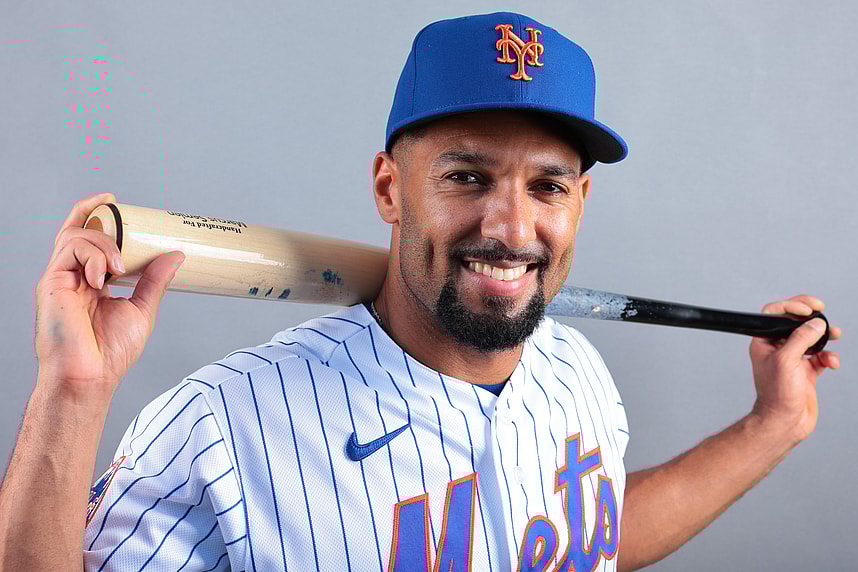
This Move Screams “We’re Done Waiting”
The Mets have spent too many seasons trying to out-talent their own roster flaws. Not this time. Semien isn’t here to develop, he’s here to stabilize, and the difference matters more than people think. And it all starts with an obsession to be on the field.
Still, the Mets might be thinking about managing his workload carefully. They want him fresh and locked in during the stretch run and October.
Manager Carlos Mendoza made it clear the team knows what it bought, telling Chelsea Janes of SNY, “He wants to play… He takes pride in being available, posting, being in the lineup. We will have to watch him closely. Continue to have constant communication… But again, we just have to be mindful and manage the workload there.”
That’s the tightrope. Semien built his reputation on playing every single day, logging multiple 155+ game seasons and three full 162-game runs. Ironman stuff. Old-school stuff. The kind of mentality fans love and sports science departments quietly hate.
Because here’s the truth nobody says out loud: the Mets don’t need 162 games from him. They need 140 good ones and a healthy October.
Depth Finally Means Something in Queens
What makes this situation workable is that the Mets actually have options now. Not theoretical depth. Real, usable depth.

Brett Baty proved last season he can survive at second without the sky falling, and that alone changes the math. Ronny Mauricio gives them another athletic body who can rotate in, and Jorge Polanco is another option when he isn’t covering the cold corner.
That’s how good teams handle aging stars. They don’t bench them. They support them.
Semien himself isn’t pretending he wants rest, either. “If you look at all the years in my career, there have been a couple 162s, but those are the best years of my career. I just kept going. One of those years was a World Series,” he said. “That’s always going to be my mindset. I’ll leave it up to other people to let me know.”
Of course that’s his mindset. Players like him don’t change the wiring this late in the game. You don’t suddenly become load-management friendly after a decade of grinding through doubleheaders.
But this is where Mendoza earns his paycheck. Not in the obvious lineup calls. In the quiet ones. The random Wednesday off. The planned DH day. The subtle protection from himself.
Because if Semien is still fresh in September, this trade looks brilliant. If he’s worn down by August, it looks like the Mets bought a name instead of a solution.
And that’s the whole bet right there. Not whether Marcus Semien is still good.
Whether the Mets are finally smart enough to use him correctly.

More about:New York Mets
