
 Andres Chavez
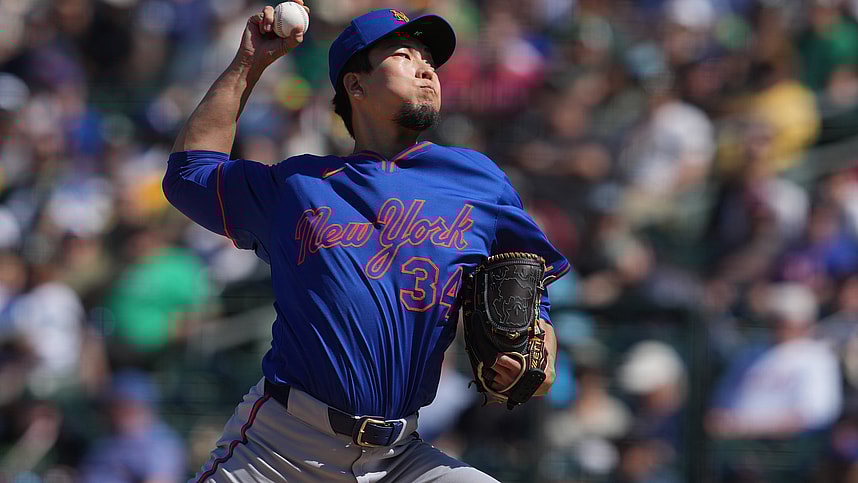
The funny thing about pitching is everyone obsesses over the elbow. The UCL, the torque, the innings count. Meanwhile, a muscle in the back of your leg can wreck an entire season, and that’s exactly what happened to Kodai Senga.
When Senga grabbed his hamstring last June, the Mets didn’t just lose a starter. They lost their ace. At that point he carried a ridiculous 1.47 ERA and looked every bit like a Cy Young finalist, the one guy in the rotation who could stop a losing streak cold and make Citi Field feel loud again.
Then the body betrayed him. Simple as that.
The Hamstring That Changed Everything
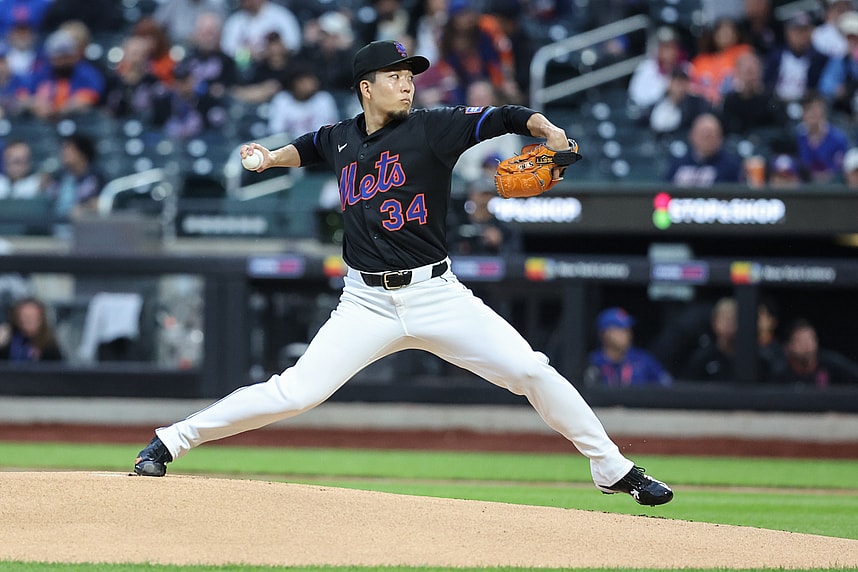
Pitchers don’t function in pieces. It’s one long chain from the back foot to the fingertips, and when the chain snaps, the ball stops jumping. After returning from the strain, Senga’s fastball lost its life, his command drifted, and hitters suddenly looked comfortable instead of overmatched.
From July 21 through the end of August, he posted a brutal 6.56 ERA before being shipped to Triple-A just to reset. That wasn’t bad luck. That was a compromised pitcher trying to survive with half his explosion missing.
Velocity tells the truth every time.
That’s why the latest spring report matters more than any bullpen session cliché. Mets Batflip reported that Senga sat in the mid-90s again in his most recent live BP session, and said that manager Carlos Mendoza sounded genuinely encouraged. It was the first real sign Senga’s body is syncing back up.
And yeah, it’s huge.
Why the Radar Gun Means Hope
Go back to 2023, his best year in Queens with the New York Mets. Senga averaged 95.9 mph that season, carved out a 2.98 ERA, and finished with 202 strikeouts while still figuring out MLB lineups. That version of him didn’t just rely on the ghost fork; the fastball forced hitters to respect everything else.
Last year, before the injury, the strikeout rate had already dipped a bit. Age does that. He’s entering his age-33 season, and nobody outruns the calendar forever, especially not starters with heavy workloads overseas and in the majors.
Still, velocity erases a lot of worries.
If he’s sitting 95 again instead of 92-93, the forkball plays nastier, the slider tightens up, and suddenly he looks less like a risky mid-rotation arm and more like the guy who once bullied the National League. Not peak-dominant, maybe, but absolutely dangerous.
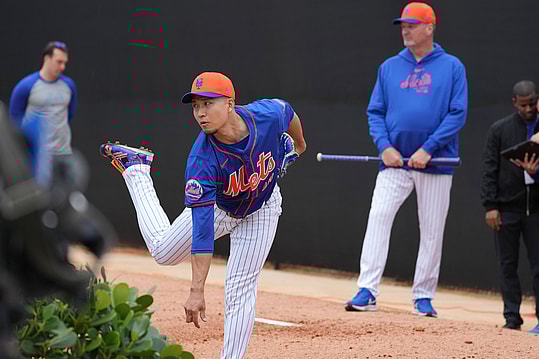
And let’s be honest about this Mets team. They don’t need Senga to be a Cy Young winner. They need him to be steady, intimidating, and healthy enough to take the ball 28-30 times without drama.
If the hamstring holds and the velo stays, he’s fully capable of posting an ERA in the low-to-mid threes. That’s not wishful thinking. That’s what his stuff says when his body cooperates.
For a Mets club trying to convince itself it can still matter deep into the season, that version of Senga isn’t just helpful.
It’s the difference between hanging around the race and disappearing before summer even gets interesting.

More about:New York Mets
