
 Andres Chavez
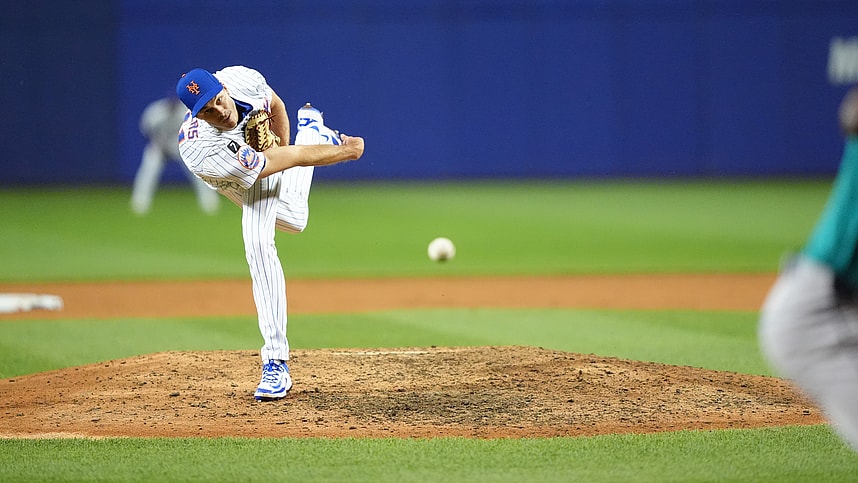
The market did not wait for the New York Mets to catch their breath.
What felt like a slow burn early in the offseason has turned into a stretch of blunt force trauma, with decision after decision breaking the wrong way. In the span of a few days, the Mets watched familiar names and targeted solutions land elsewhere, often on deals that revealed just how unforgiving the current market has become.
This week will likely stand as the low point, at least emotionally. Kyle Schwarber stayed put in Philadelphia. Edwin Díaz chose the Dodgers. Pete Alonso, the face of the franchise for nearly a decade, took his power to Baltimore. Each loss carried its own context and logic. Together, they formed a pattern that is impossible to ignore.
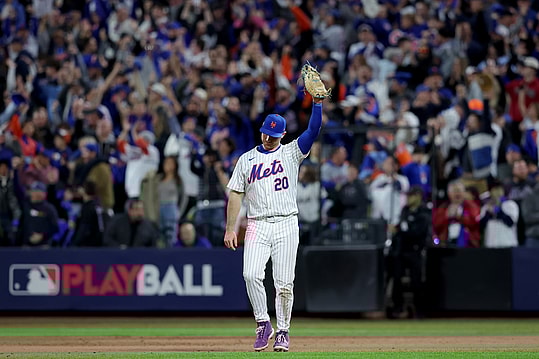
When the Board Starts Emptying Fast
The Mets did not enter this offseason without a plan. They needed power. They needed bullpen stability. They needed reliability, especially after watching the 2025 season unravel in uneven and frustrating ways.
Schwarber coming off the board hurt because he represented a clean fit. Díaz leaving stung because closers with track records rarely hit the open market. Alonso departing felt inevitable once the bidding climbed past a certain point, but inevitable does not mean painless.
What made the week feel particularly cruel was how quickly those doors slammed shut. There was no drawn-out drama. No prolonged leverage play. Just a series of reminders that being interested is not the same as being aggressive enough.
Tyler Rogers and the Reality of Relief Pitching Prices
Then came Tyler Rogers.
Late Friday, Ken Rosenthal reported that the Blue Jays had landed the sidearm reliever on a three-year, $37 million contract, with a vesting option that could push the total value to $48 million. It was another gut punch, and this one landed differently.
Rogers is not a flamethrower. He does not light up radar guns or pile up strikeouts. What he does is far more subtle and, in today’s game, increasingly expensive. He gets groundballs. He limits hard contact. He turns uncomfortable at-bats into quick outs.
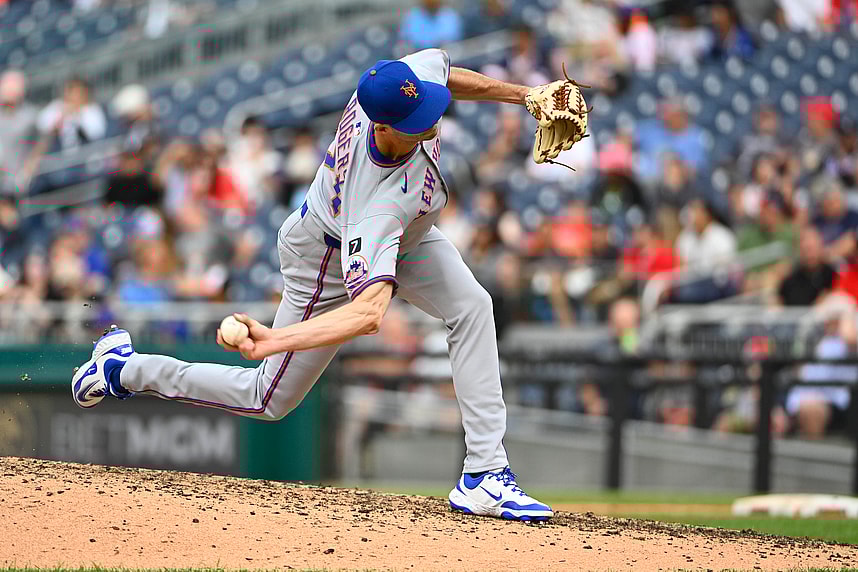
Rogers posted a 1.98 ERA in 2025 split between the Giants and the Mets, thriving on deception and precision rather than power. The Mets knew exactly what they had. This was not a case of unfamiliar upside or projection. They were very much in on bringing him back.
Toronto simply went harder.
Aggression Is the Currency Now
The Rogers deal underscores a growing truth across the league. Elite relievers, even unconventional ones, are commanding enormous contracts. Teams are no longer waiting for discounts based on velocity or strikeout rates. If a pitcher can neutralize hitters consistently and survive high-leverage moments, the price is the price.
For the Mets, this was not a philosophical miss. It was a financial one. Unlike Alonso, where ownership could read the room and anticipate the ending, Rogers represented a player the front office genuinely believed could be retained.
The Blue Jays decided the risk was worth it. The Mets did not go far enough.
That distinction matters.
Where This Leaves the Mets
The New York Mets are not out of moves. They still have resources. They still have flexibility. But weeks like this narrow the margin for error and force sharper decisions down the line.
Bullpen help is thinner now. Power options are scarce. The pressure to hit on secondary targets grows with every contract signed elsewhere.
This offseason is not over, but it has reached a point where intent must translate into action. The market has shown its hand. Waiting comes with a cost, and hesitation gets punished quickly.
The Mets now have to respond, not with words or interest, but with conviction. Otherwise, weeks like this will stop feeling like anomalies and start feeling like trends.

More about:New York Mets
