
 Alexander Wilson
The Mets find themselves at a fascinating crossroads this winter, caught between the allure of a high-priced international import and the homegrown promise of their own farm system. The team has been heavily linked to Japanese ace Tatsuya Imai, a flamethrower who could instantly headline a rotation.
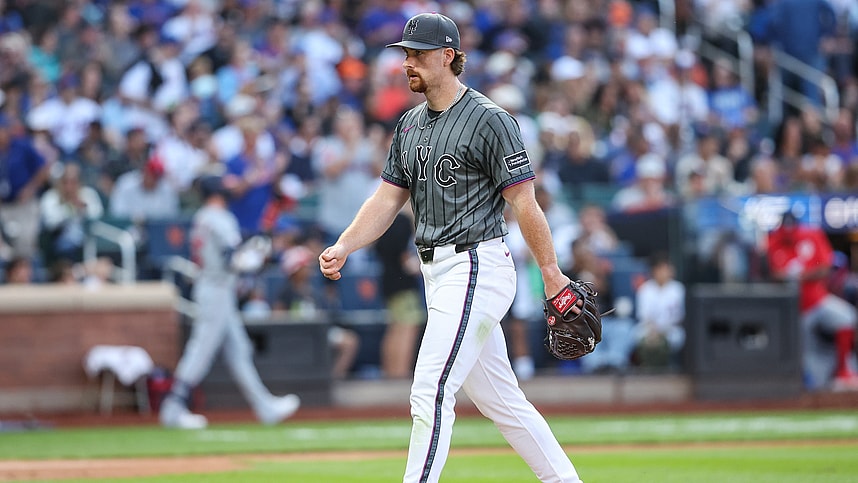
However, according to Jon Heyman of the New York Post, the front office is hesitating to pull the trigger because they absolutely love the young arms already in their stable. President of Baseball Operations David Stearns believes that prospects like Nolan McLean and Jonah Tong aren’t just depth pieces—they are ready to take on significant roles in 2026.
This internal confidence creates a genuine debate: Do you drop a massive contract on a pitcher who has never thrown a pitch in MLB, or do you trust the kids to grow into aces? Acquiring Imai doesn’t necessarily block the youth, but it does allocate resources that could be used elsewhere. Stearns has to decide if adding another layer of volatility to a rotation that will likely feature multiple rookies is a masterstroke or a recipe for disaster.
Tatsuya Imai Is a $150 Million Mystery Box
If the Mets do sign Imai, they are paying for electric, albeit unproven, potential. The 27-year-old right-hander is coming off a dominant season with the Seibu Lions, posting a microscopic 1.92 ERA and a 0.89 WHIP while striking out 178 batters in 163.2 innings. His stuff is undeniably nasty; he sits 95-96 mph with a fastball that touches 99, delivered from a low arm slot that creates a flat vertical approach angle hitters struggle to lift.
The algorithm hides the best New York Mets news; make sure you pin Empire Sports Media on Google News so you don’t miss a beat.
His “wrong-way slider” (or backup slider) is a unique weapon that dives in on righties, and he pairs it with a splitter that falls off the table. However, the price tag is steep—estimates suggest a deal could exceed $150 million over five years. That is a massive gamble on a pitcher with zero MLB innings, especially one whose mechanics and “max effort” delivery often raise durability questions.
The Kids Are Alright—And They Might Be Aces
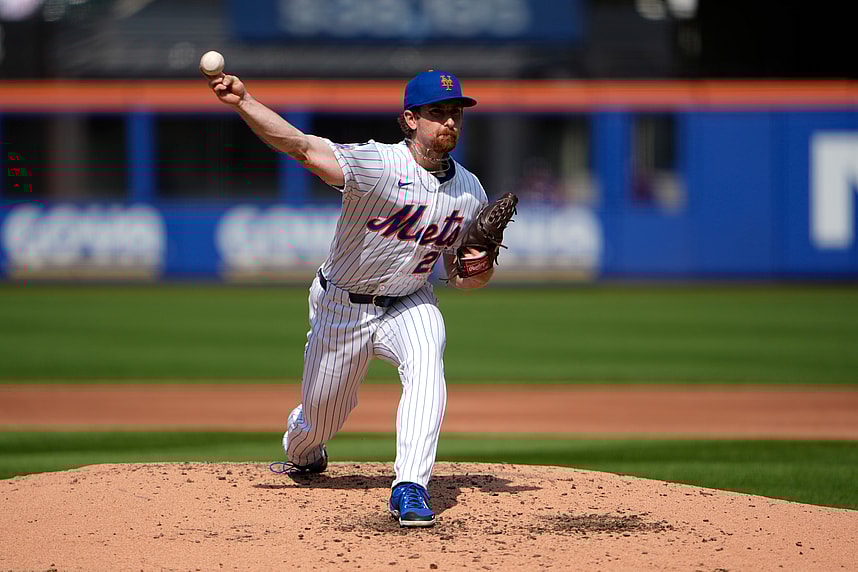
On the other side of the coin, the Mets have legitimate reasons to bet on their internal options. Nolan McLean, a former two-way player, looked spectacular in his brief MLB debut last season, posting a 2.06 ERA over eight starts and proving his raw stuff plays against big-league hitters. He essentially looks like a frontline starter in the making, and he costs a fraction of what Imai would command.
Then there is Jonah Tong, who skyrocketed through the system to make five starts in 2025. While his 7.71 ERA was ugly, the underlying skills were tantalizing; he struck out 22 batters in 18.2 innings, showcasing the elite miss-bat ability that made him a top prospect. The Mets view him as a long-term fixture, and blocking him with a long-term free agent might not be in the cards if they believe he can harness his command.
A High-Voltage Rotation With a Volatile Fuse
Adding Imai to a rotation that will likely rely on McLean and Tong in 2026 creates a classic “boom or bust” scenario. If Imai translates his NPB dominance to Queens and the rookies hit their ceilings, the Mets could have an electric staff.
However, if Imai struggles to adapt and the youngsters go through growing pains, the floor could fall out completely. It is a high-stakes gamble, but for a team desperate to compete with the heavyweights of the National League, betting on raw talent—whether imported or homegrown—might be the only way to close the gap.

More about:New York Mets
