
 Andres Chavez
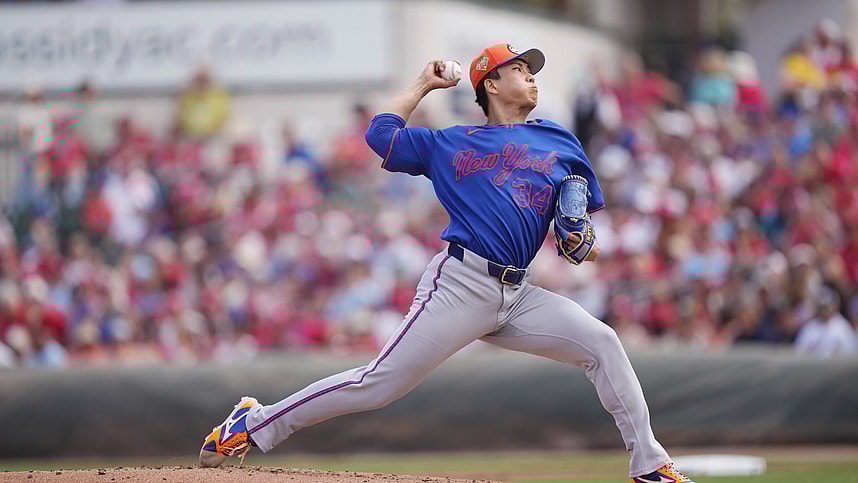
For weeks, even months, New York Mets veteran right-hander Kodai Senga was involved in never-ending trade rumors. The team was looking for a more dependable pitcher, and the Japanese, who has racked up just 118.2 innings in the last two seasons, isn’t exactly a model of health.
The player, however, preferred to stay, and the Mets ended up keeping him. Now that he’s fully healthy, though, we could potentially see a huge bounce-back season from Senga.
The Ghost Returns to Form
There is a specific kind of tension that builds when a high-profile pitcher becomes the subject of the hot stove circuit. For Senga, the winter felt like a long walk on a tightrope. Critics pointed to his recent durability issues as if they were a permanent decline rather than a string of bad luck.
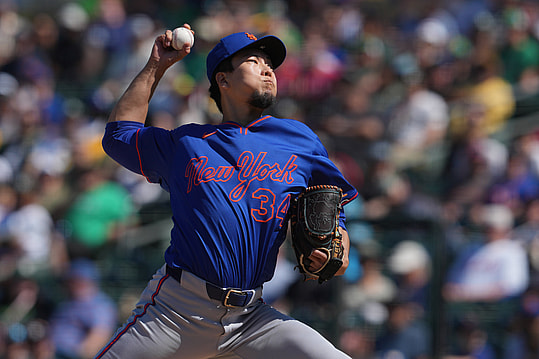
In the high-stakes world of New York baseball, availability is often treated as the greatest ability, and Senga’s limited workload over the last two years made him look like a luxury the Mets might not be able to afford.
However, Friday’s split-squad performance against the Marlins served as a loud reminder of why the front office ultimately held their ground. Senga didn’t just pitch; he carved. Over three perfect innings, he retired every batter he faced, racking up five strikeouts along the way. There were no hits, no walks, and absolutely no room for the Marlins hitters to breathe. It was the kind of outing that acts as a reset button for a narrative, turning trade talk into comeback hype in the span of nine outs.
Heat on the Radar
If the box score was impressive, the underlying data was downright scary for the rest of the National League. Perhaps the most encouraging development was Senga’s velocity. He averaged 96.5 mph and touched 98.6, or basically 99 mph. To put that in perspective, he averaged 95.7 mph in 2023, his best season in the bigs, when he posted a 2.98 ERA and struck out 202 hitters en route to being runner-up on the NL Rookie of the Year Award race.
Seeing a 33-year-old find an extra gear is like watching a classic muscle car suddenly reveal a hidden turbocharger. Senga is throwing harder than ever before, and after watching how a hamstring strain ruined a perfectly solid season last year, it’s good to see him close to his best. That extra tick of velocity makes his signature ghost fork even more devastating; when the fastball has that much life, the off-speed stuff feels like it’s falling off a table.
Erasing the Second Half Slump
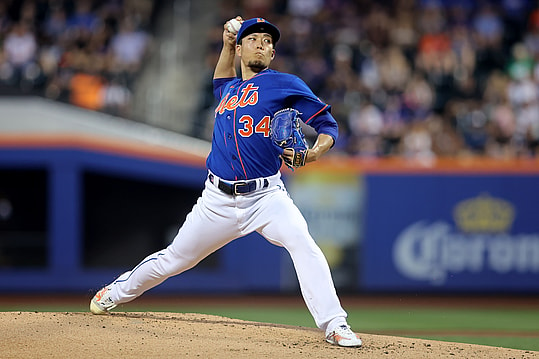
The discrepancy in Senga’s performance last year was jarring. He was pitching like a Cy Young contender when he suffered that hamstring strain in mid-June. He had a 1.47 ERA up until that point, and posted a 6.56 mark since the moment he returned from the injured list until he was demoted to Triple-A. It was a tale of two seasons, where a single physical hitch turned an elite arm into a liability.
He has worked hard to regain full health and is ready to let his body and his talent do all the talking on the mound now. He might be 33, but he can clearly still help the Mets. If this version of Senga—the one with the high-octane heater and pinpoint control—is what shows up for Opening Day, the Mets’ rotation suddenly looks a lot more formidable than the skeptics predicted.

More about:New York Mets
