
 Andres Chavez
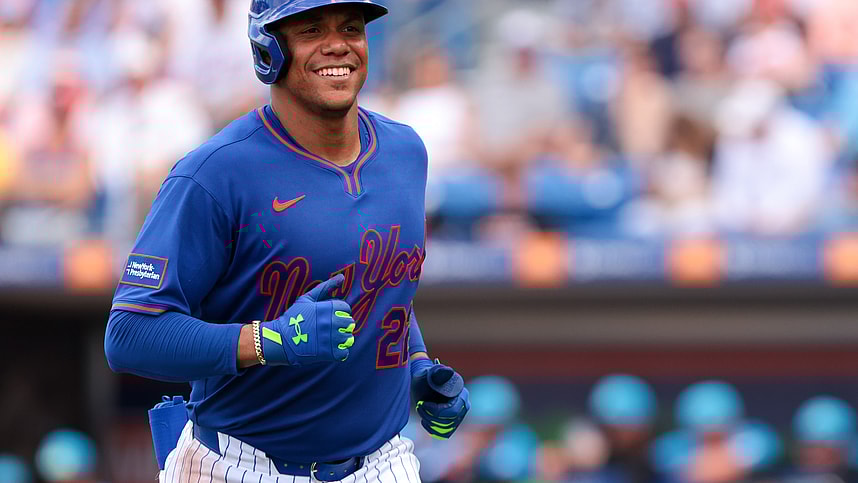
The scary thing about Juan Soto is that he still hasn’t had his perfect season yet. Not really. He’s had monster years, MVP-caliber stretches, months where pitchers looked like they were trying to solve a math equation instead of throwing a baseball, but the full, wire-to-wire takeover? That one’s still sitting out there.
And that should make the National League a little uneasy.
Soto isn’t chasing greatness — he’s already living in it
By 27, Soto’s résumé already reads like a Hall of Fame speedrun. Four All-Star trips, a batting title, a pile of Silver Sluggers, postseason pedigree, and an on-base ability that makes old-school baseball guys misty-eyed. The man treats walks like they’re personal achievements, and honestly, they are.
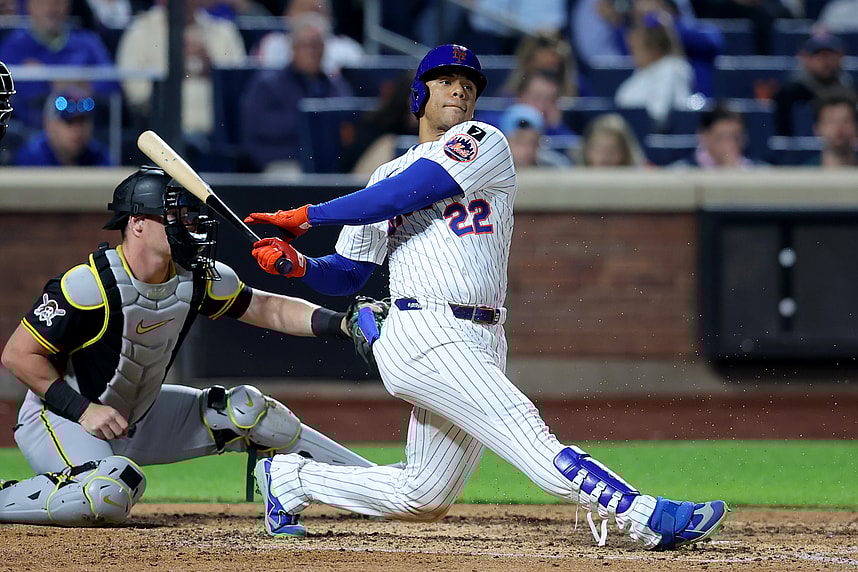
His first year with the New York Mets was loud even if it didn’t feel like it every night. A .263 average doesn’t scream dominance, but the .396 OBP absolutely does, and 43 homers with a slow April tells you everything about how dangerous he was once he settled in. By summer, he wasn’t just producing — he was dictating games.
That’s the Soto paradox. He can drop a 1.000 OPS season and still make you feel like there’s another level coming.
The problem has a name — and it’s Shohei
Unfortunately for Soto, the MVP race in the NL currently runs through a baseball unicorn named Shohei Ohtani.
Ohtani isn’t just great — he’s unfair. Fifty-plus homers while also shoving on the mound with a sub-3.00 ERA turns the award into his personal property unless someone else posts a historically loud season. Soto knows it, the league knows it, and voters definitely know it.
“I’m going to be there every year, too,” Soto told MLB.com’s Anthony DiComo. “So he better keep doing what he’s doing, because I’m coming.”
That’s why Soto’s quote hits the way it does. No diplomacy, no fake humility, just competitive honesty: he’s coming for the award, and Ohtani better keep producing.
“He’s really good. He’s really good,” Soto said of Ohtani, who hit 55 home runs in 158 games at the plate and posted a 2.87 ERA in 14 starts in 2025. “I’ve just got to beat him. Definitely, it’s not going to be easy, but I’ve got to find a way to beat him.”
That’s not arrogance. That’s a hitter who knows exactly how good he is and what he needs to do to win the only award missing in his cabinet.
Why 2026 could finally be the year
Context matters here. Soto’s debut season in Queens came with adjustment baggage — new clubhouse, new ballpark, new expectations, and the constant noise that follows a generational hitter switching teams. Even with that, he still finished near the top of the MVP conversation.
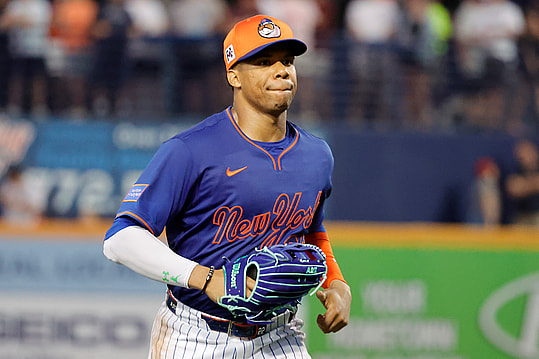
Now remove the adjustment period.
Players almost always explode in year two after a big move, especially elite hitters who rely on rhythm and comfort.
If that happens, we’re talking about a hitter who could realistically post a .430 OBP with 45–50 bombs. Those are MVP numbers in any season, and definitely in one where voters might be open to giving Ohtani a break unless he does something cartoonish again.
Soto vs. Ohtani is about to define the league
This is the rivalry MLB secretly loves. Not a shouting feud, not manufactured drama, just two once-in-a-generation talents trying to outdo each other every night. Soto’s patience versus Ohtani’s power. Soto’s surgical strike-zone control versus Ohtani’s full-scale baseball domination.
And Soto clearly isn’t backing down.
He finished behind Bryce Harper once, behind Aaron Judge when he was with the New York Yankees, and now he’s staring at the toughest MVP obstacle the sport has seen in decades. Still, he’s talking like the award belongs on his shelf eventually.
Honestly? He’s right.
Because if Soto ever pairs his usual elite plate discipline with one of those absurd .300-average, 50-homer seasons he’s always flirting with, the voters won’t have a choice. Ohtani or not.

More about:New York Mets
