
 Andres Chavez
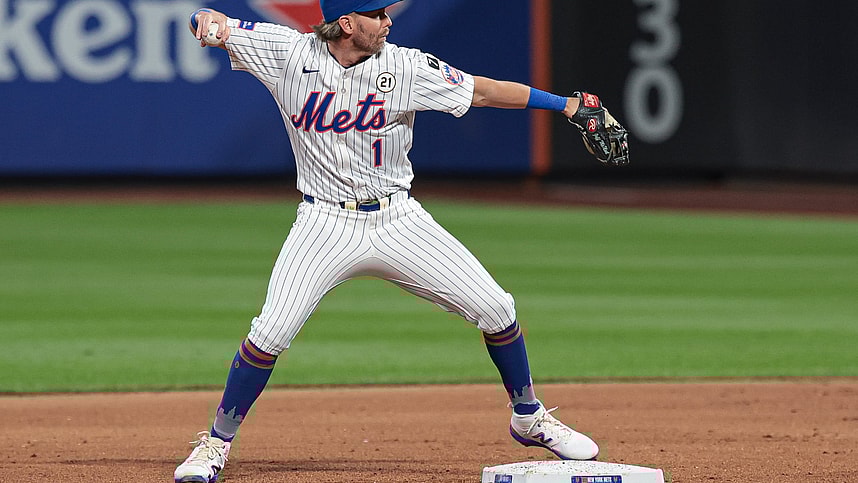
There was a moment this winter when it became clear the New York Mets were not just trimming around the edges. They were turning pages. Big ones. Edwin Diaz gone. Pete Alonso gone. Brandon Nimmo gone. And now Jeff McNeil, a player who once felt stitched into the fabric of the roster, is wearing different colors too.
This has not been a quiet offseason in Queens, even if it has occasionally felt understated. The Mets have chosen subtraction as a form of clarity, clearing veteran weight and betting that flexibility, youth, and targeted upside matter more than familiar names. McNeil’s departure fits that pattern cleanly, even if the timing and optics still land with a thud.
A Trade That Felt Inevitable
McNeil said he knew the call was coming before he ever answered it. A text from president of baseball operations David Stearns asking him to talk was enough to connect the dots.

“I was like, ‘I 100% just got traded,’” McNeil said, recounting a brief and professional conversation that ended with mutual thanks.
That kind of interaction says a lot about how this came together. There was no drama, no shock, no attempt to sell a future that no longer included him. The Mets had already moved on internally. McNeil just needed the official confirmation.
His trade to the Athletics for pitching prospect Yordan Rodriguez, with money included, was less about talent evaluation in isolation and more about roster architecture. Once Marcus Semien arrived as a veteran bounceback play at second base, McNeil’s role became cloudy. Add in internal clubhouse tensions involving some of the team’s most prominent voices, and the runway was gone.
Jeff McNeil Was Still Productive
What complicates the story is that McNeil was not washed. Far from it. At 33, he turned in a solid 2025 season, posting a 111 wRC+, hitting 12 home runs, and giving the Mets real value across the diamond.
When the Mets’ center field situation fell apart, McNeil stepped in and did exactly what they needed. No complaints. No spotlight. Just competent, steady defense at a premium position. He also logged time in both corner outfield spots and even took a few reps at first base, a quiet testament to his adaptability.
That versatility will play with the Athletics, who are not buying nostalgia. They are buying coverage, lineup elasticity, and a professional hitter who can stabilize multiple positions without fuss.
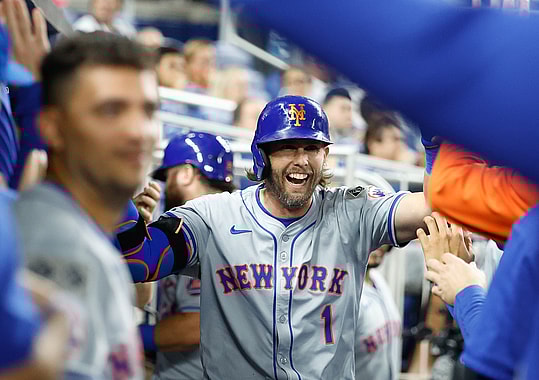
Why the Mets Chose Change Anyway
For the Mets, this was about age, cost, and direction. McNeil’s contract was not crippling, but it was misaligned with where the roster is heading. Shedding it creates breathing room and opens playing time for younger options who need real exposure, not bench roles.
Rodriguez, the return, may not headline prospect lists, but he fits the type of arm the Mets have quietly targeted. Developmental upside. Time. Control. It is a bet on process over certainty, the kind of trade that looks modest now and sharper later if things break right.
This is the through line of the Mets’ offseason. Not panic. Not rebuilding theater. Just a deliberate reshaping that values flexibility and internal growth over holding onto familiar faces a year too long.
A Clean Break, Not a Cold One
McNeil’s exit does not feel bitter. It feels complete. He gave the Mets real innings, real at-bats, and real adaptability during a transitional stretch. The Mets, in turn, moved decisively once they believed his chapter had run its course.
This winter has made one thing clear. The New York Mets are comfortable letting go, even when the player leaving can still help. That is not easy. It is also how teams change.

More about:New York Mets
