Andres Chavez
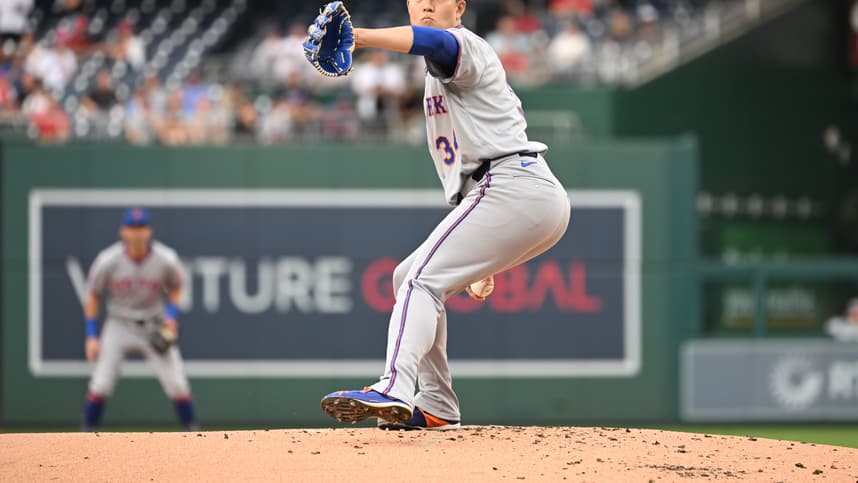
The New York Mets entered 2025 believing Kodai Senga would anchor their rotation, the steady hand atop a staff full of promise. For the first few months, he delivered on that faith — and then some. But by season’s end, Senga’s story had turned from brilliance to bewilderment, leaving analysts wondering whether his time in Queens could soon come to an end.
It’s a tough pill to swallow for Mets fans who watched Senga dominate early in the season. His 3.02 ERA across 113.1 innings still looks impressive on paper, but the numbers only tell half the story. Beneath that tidy ERA lies a tale of injury setbacks, declining command, and a second-half collapse that cost both Senga and the Mets dearly when they needed him most.
A Tale of Two Halves
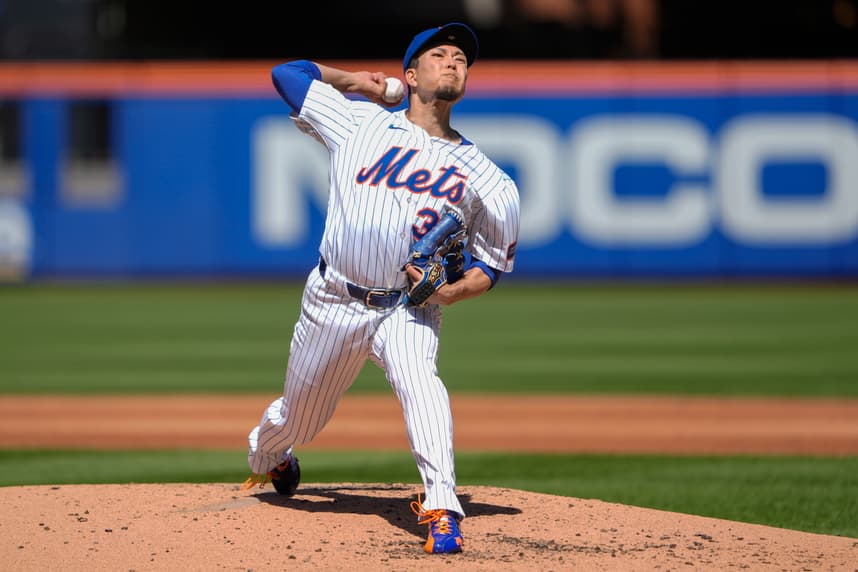
Before his hamstring injury in mid-June, Kodai Senga looked nearly untouchable. From the start of the season until June 12, he carved up lineups with the poise of a surgeon, posting a jaw-dropping 1.47 ERA. The ghost fork was dancing, his fastball had late life, and opposing hitters looked lost. There was even early-season buzz about Senga entering the National League Cy Young conversation — a testament to just how dominant he’d been.
But baseball can be cruel. Once the hamstring injury sidelined him, the rhythm vanished. When he returned in late July, he wasn’t the same. His command wavered, his velocity dipped, and his confidence appeared to erode with each outing. Between July 21 and August 31, Senga’s ERA was 6.56, and his once-sharp ghost fork flattened into a more predictable offering.
Eventually, things got bad enough that the Mets sent him to the minors — not as a punishment, but as a last-ditch effort to help him rediscover his mechanics. Even there, the results never clicked. It was a stunning fall from grace for a pitcher who, just months earlier, looked like the cornerstone of the franchise’s rotation.
The Trade Talk Emerges
Now, as the Mets look toward 2026, team insider Danny Abriano has suggested that the organization should at least explore the idea of trading Kodai Senga. He isn’t advocating a fire sale, but rather a pragmatic evaluation of where the team stands — and where it’s headed.
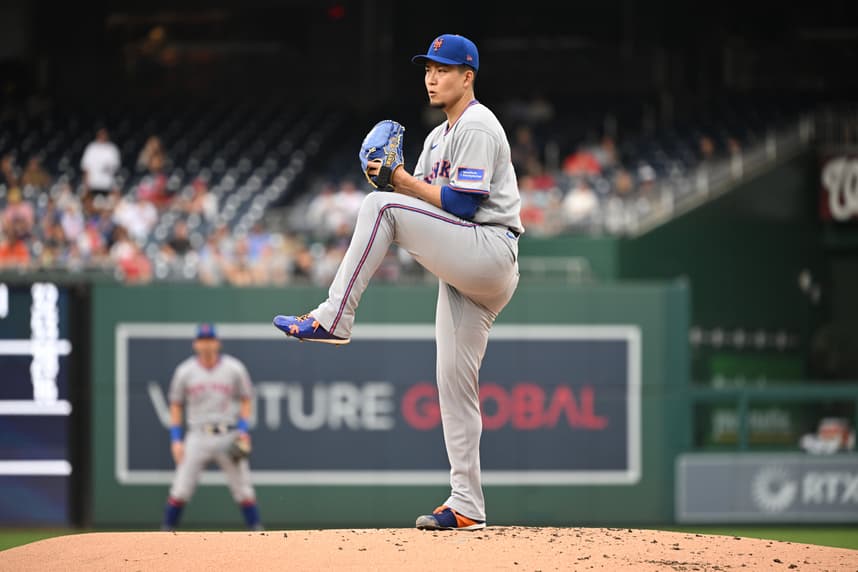
As Abriano points out, the Mets’ rotation picture is already crowded. Clay Holmes, Sean Manaea, and Nolan McLean appear to be front-runners for rotation spots. Holmes was not bad in his first year as a starter and is under contract, Manaea is expected to rebound after pitching through nagging injuries, and McLean continues to develop into a legitimate ace candidate.
Behind them, young arms like Brandon Sproat and Jonah Tong are definitely worthy of consideration for spots, while David Peterson — though inconsistent — remains under team control for one more year. Add to that the likelihood that the Mets will chase at least one frontline starter through free agency or trade, and it’s clear that the rotation puzzle is getting complicated.
“If you put all of it together, something will have to give,” Abriano wrote. “And the most sensible scenario has the Mets dangling Senga via trade.”
A Risk Worth Considering
The question isn’t whether Kodai Senga can pitch — he’s already proven he can. The real question is whether the Mets should risk another season of volatility from a pitcher who’ll turn 33 by Opening Day. His hamstring injury may be behind him, but durability concerns tend to linger, and New York can’t afford another year of uncertainty atop the rotation.
At the same time, Senga’s track record still carries weight around the league. Teams desperate for pitching might view him as a high-upside buy-low candidate, especially if they believe a change of scenery could help him recapture his early-season form. Trading him, before another potential setback, could be the Mets’ way of cashing in while the market is still open.
For the Mets, the decision feels a bit like standing at the poker table with a good hand — not great, but good enough to win if played right. Do they double down and hope Senga returns to ace form, or do they fold early and use his value to strengthen the roster elsewhere?
What Comes Next
Kodai Senga’s story in New York isn’t finished yet, but it’s entering a delicate chapter. A fully healthy Senga could easily reclaim his role as a top-end starter. Yet if the Mets decide to capitalize on his remaining trade value, they could set themselves up with a more balanced roster in 2026.
Either way, the decision will say as much about the Mets’ direction as it will about Senga himself — whether they believe in redemption, or in reshaping their identity while opportunity knocks.

More about:New York Mets