
 Alexander Wilson
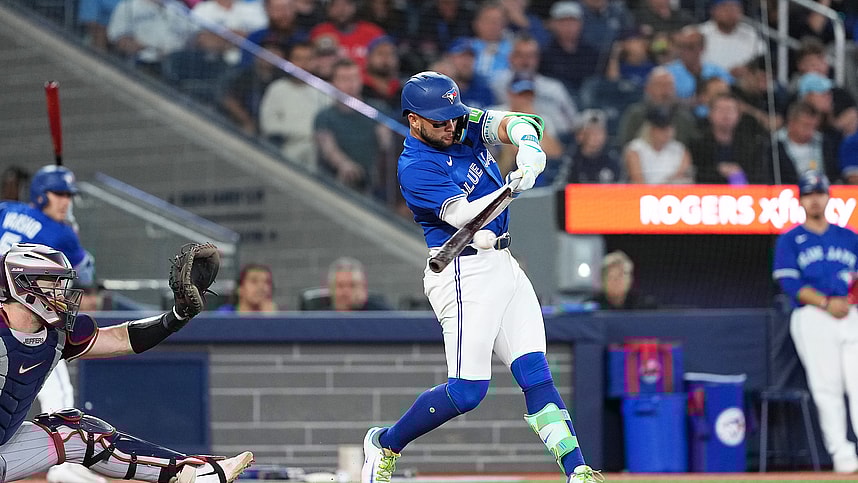
The New York Mets spent Thursday night watching their primary offseason target, Kyle Tucker, sign a massive four-year, $240 million deal with the Los Angeles Dodgers. But instead of licking their wounds, President of Baseball Operations David Stearns woke up on Friday and executed a ruthless pivot.
By the afternoon, the Mets had agreed to terms with star infielder Bo Bichette on a three-year, $126 million contract, via Will Sammon of The Athletic, snatching him away from the Toronto Blue Jays and instantly reconfiguring their lineup for 2026.
While the sting of missing out on Tucker is real, the arrival of Bichette offers a fascinating consolation prize that might arguably fit the roster’s current construction better. The Mets needed elite bat-to-ball skills to balance their lineup, and in Bichette, they just acquired one of the premier hitters in the sport.

An Offensive Machine to Pair with Lindor
If you look at the numbers from his 2025 campaign, it is easy to see why the Mets moved so quickly. Bichette slashed an impressive .311/.357/.483 over 628 plate appearances, racking up 181 hits and 18 home runs. His ability to put the ball in play is elite; he ranked in the 98th percentile for Expected Batting Average (xBA) at .295 and the 86th percentile for Strikeout Rate, striking out just 14.5% of the time.
Bichette isn’t just a slap hitter, either. He posted an 83rd percentile Hard-Hit Rate (48.8%) and an 86th percentile Batting Run Value, proving he is a complete offensive threat who drives winning production. Adding that kind of high-contact, high-velocity bat behind Francisco Lindor creates a nightmare for opposing pitchers who rely on strikeouts to escape jams.
The algorithm hides the best New York Mets news; make sure you pin Empire Sports Media on Google News so you don’t miss a beat.
The New Infield Alignment: Third Base Is the Destination
The biggest question mark with Bichette has always been his glove. In 2025, his defensive metrics at shortstop were concerning, ranking in the 4th percentile for Fielding Run Value. The Mets seem well aware of this, which is why the plan is likely to slide him over to third base. With Francisco Lindor anchoring shortstop and the veteran Marcus Semien manning second base, Bichette’s move to the hot corner allows him to focus on his bat while hiding some of his declining range.
This move effectively makes Brett Baty expendable, turning the young third baseman into a prime trade chip as the Mets continue to hunt for pitching or perhaps even another bat like Cody Bellinger. The Mets might have lost the battle for Tucker, but by pivoting to Bichette and keeping their financial flexibility open for Bellinger, they intend to win the war. The infield is set, the lineup is deeper, and the offseason is far from over.

More about:New York Mets
