Quinton Fesq
The Mets are not dealing with one injury problem anymore. They are dealing with a roster problem that keeps changing shape every few days.
Some of the updates are positive. Francisco Lindor is finally moving around again. Kodai Senga is already into his rehab work. Francisco Alvarez seems to be progressing faster than the original timeline suggested.
But the overall picture is still ugly. Luis Robert Jr. was just transferred to the 60-day injured list, Tyrone Taylor joined the IL with a hip flexor strain, and Clay Holmes is still staring at a long road back from a fractured fibula. That is a lot of damage for a team already trying to climb out of a bad start.
The official Mets injury page was updated on May 26, and the current list is not exactly light reading.
Francisco Lindor
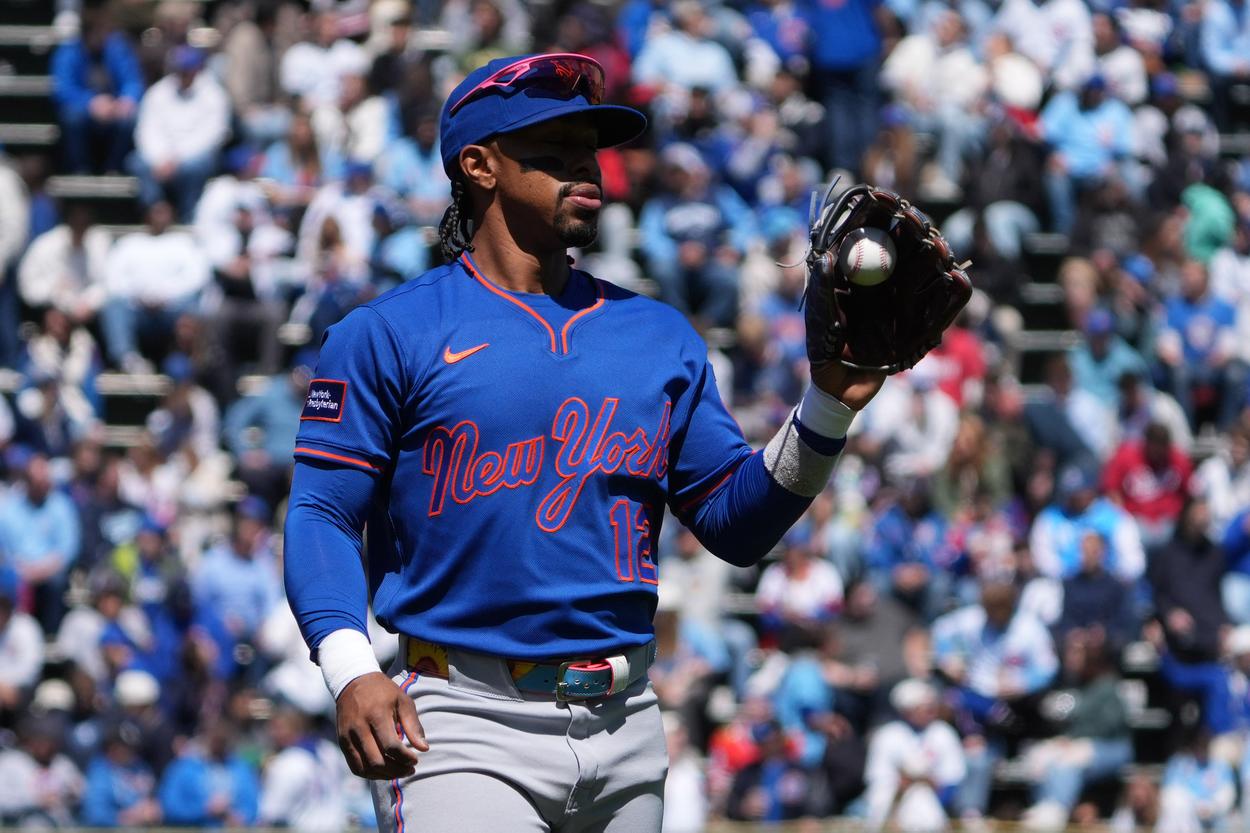
Lindor is finally doing baseball activities again, which is the best piece of news here. He is running sprints, taking grounders, and swinging in the indoor cages as he works back from a strained left calf.
That does not mean he is close to returning. The Mets still have not started a rehab assignment clock, and MLB.com lists his expected return as possibly late June. That sounds about right for a calf injury, because rushing a shortstop back from that kind of issue is asking for the same problem to show up again.
The Mets miss Lindor for obvious reasons, but it is more than the bat. They miss the everyday stability. They miss the defense. They miss having one player who makes the lineup feel normal before the game even starts.
Luis Robert Jr.
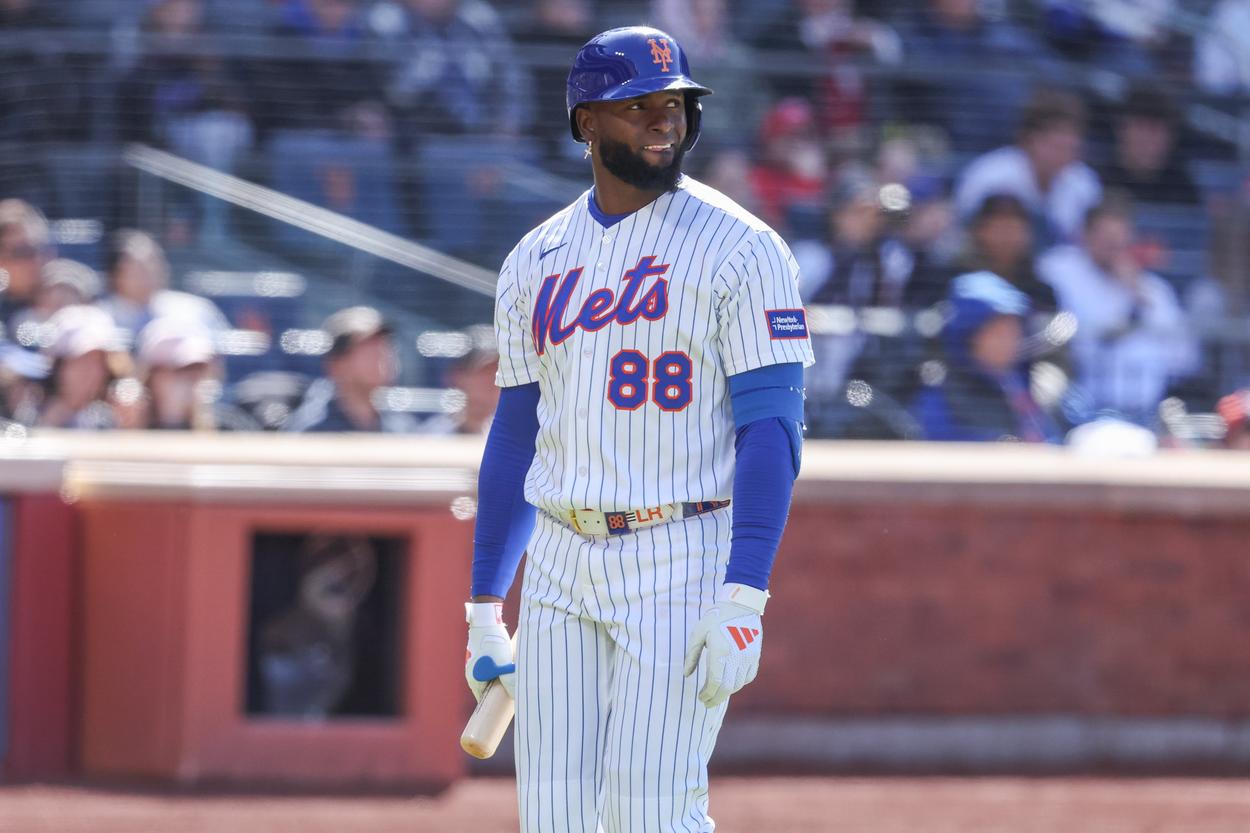
Robert is the most concerning update in the group. The Mets transferred him to the 60-day IL on May 26 because of a lumbar spine disc herniation, and there is still no real timetable.
MLB.com says Robert is consulting with outside doctors, though surgery is not currently on the table. That sounds better than the alternative, but it still leaves the Mets with a giant unknown in center field.
This is the risk that always came with Robert. The talent is loud, and I liked the upside of the move when the Mets made it. I still understand the swing. But availability was always the question, and right now the Mets are getting the worst possible answer.
That stings even more because Robert was supposed to be one of the lineup upgrades that changed the Mets’ offensive identity. Now they are trying to survive without him while also missing Lindor, Polanco, and Alvarez.
Jorge Polanco
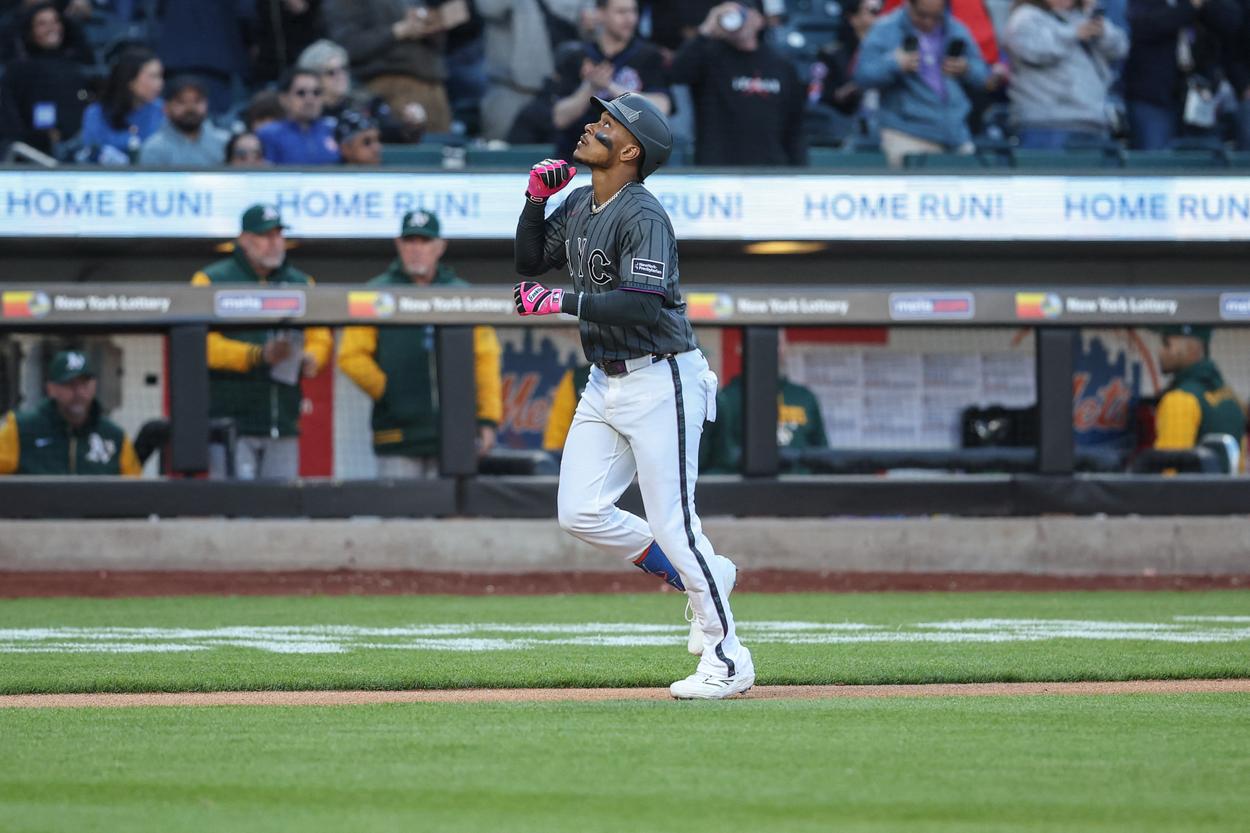
Polanco is dealing with left Achilles bursitis, and his expected return is late May or early June. That is the optimistic part.
The less comfortable part is that MLB.com notes he may need to manage pain all season. That is a rough sentence for a player whose value depends on rhythm at the plate and enough mobility to handle first base and DH work without the Mets constantly reshuffling around him.
Carlos Mendoza said Polanco could begin a rehab assignment late in the week of May 25 if he keeps responding well to high-intensity work. That makes him one of the closest hitters to returning, but this still feels like a condition the Mets will have to monitor for months.
They need his bat badly. They also need the version of him that can be used without turning every lineup card into a medical compromise.
Comments: Which Mets injury worries you the most right now: Lindor, Robert, Senga, Alvarez, or Holmes?
Francisco Alvarez
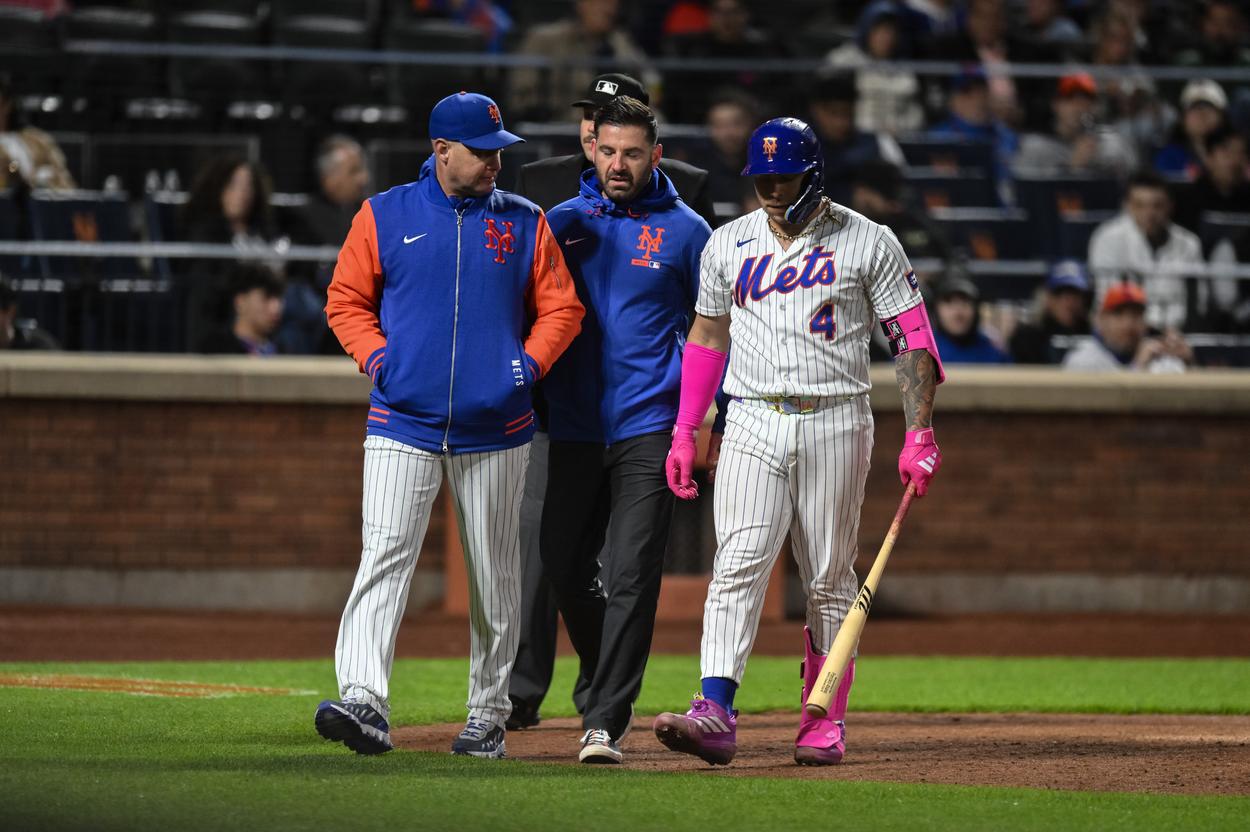
Alvarez is recovering from a torn right knee meniscus, and the original expectation was six to eight weeks. The latest update is at least a little more encouraging.
He is already doing catching drills and hitting in the cage, which could put him ahead of the first timeline. MLB.com still lists his expected return around mid-July, so nobody should treat this as a quick comeback yet.
The tricky part with Alvarez is that catcher injuries are never simple. Hitting in a cage is one thing. Squatting, blocking, throwing, taking foul tips, and handling a full game behind the plate is another.
The Mets need his power, but they need to be smart here. Alvarez is too important long term to squeeze a few early games out of him if the knee is not ready for the actual workload.
Kodai Senga
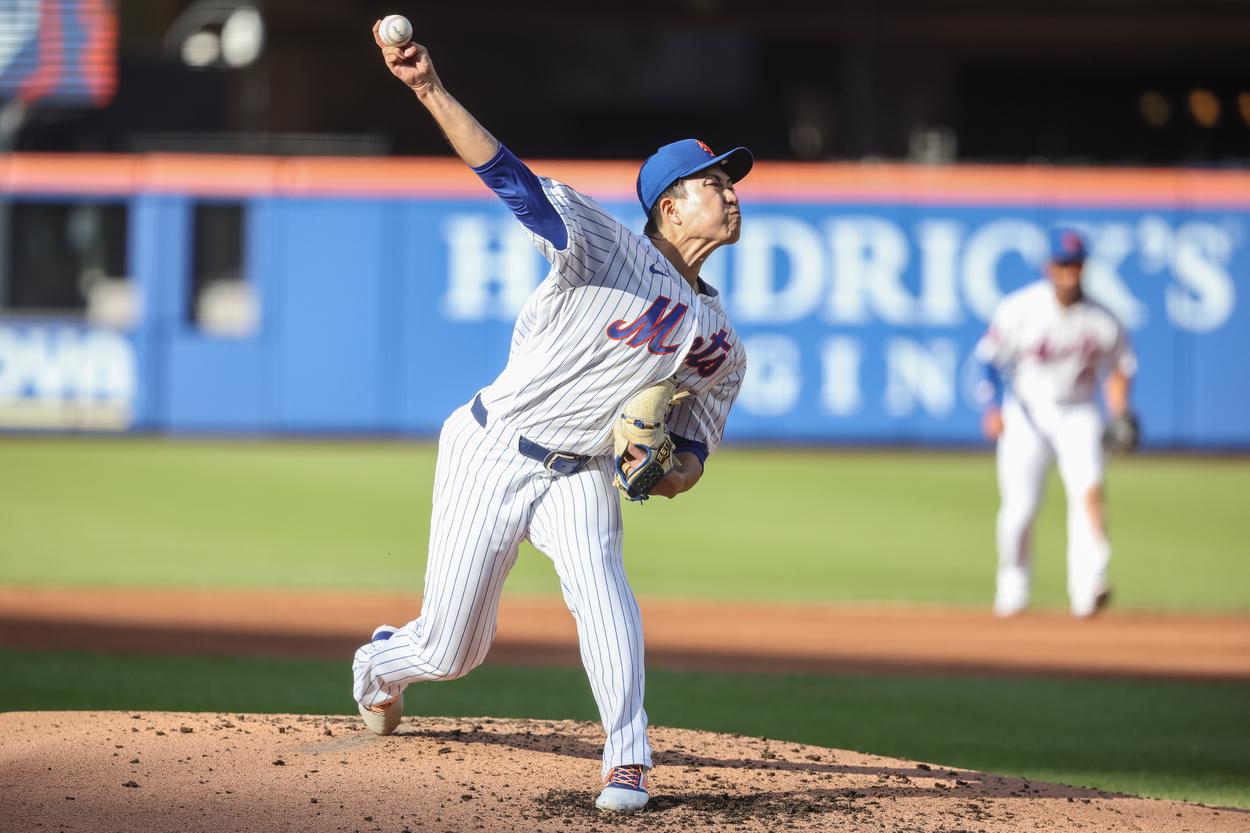
Senga is one of the few injury updates that feels like it is moving in the right direction. He threw 64 pitches over 3.1 innings in his first rehab start for Single-A St. Lucie on May 22 and reached 97 mph.
That matters. The Mets do not need him simply active. They need him looking like a real rotation piece again, especially with Holmes out and the staff already stretched thin.
Mendoza did not exactly give a full green light after the outing, saying, “It feels good, but I haven’t heard much,” per MLB.com. Senga is expected to return to New York for further evaluation, with the team listing mid-June as the rough return window.
If the Mets are going to make any kind of push before the deadline, Senga probably has to be part of it. The rotation cannot keep absorbing injuries and pretending depth will solve everything.
Clay Holmes

Holmes remains one of the worst blows on the entire list. He fractured his right fibula on May 15 and landed on the 60-day IL one day later.
The timeline is brutal. The Mets expect him to need six to eight weeks to heal, then another spring-training-style buildup before he can realistically rejoin the rotation. That puts August in play if everything goes right.
That is a problem because Holmes was not some back-end filler arm. As ESM already covered, the Mets lost one of their few rotation stabilizers. Losing him forces everyone else into a harder job.
Senga coming back would help, but it does not erase the Holmes injury. It just keeps the rotation from completely caving in.
Ronny Mauricio
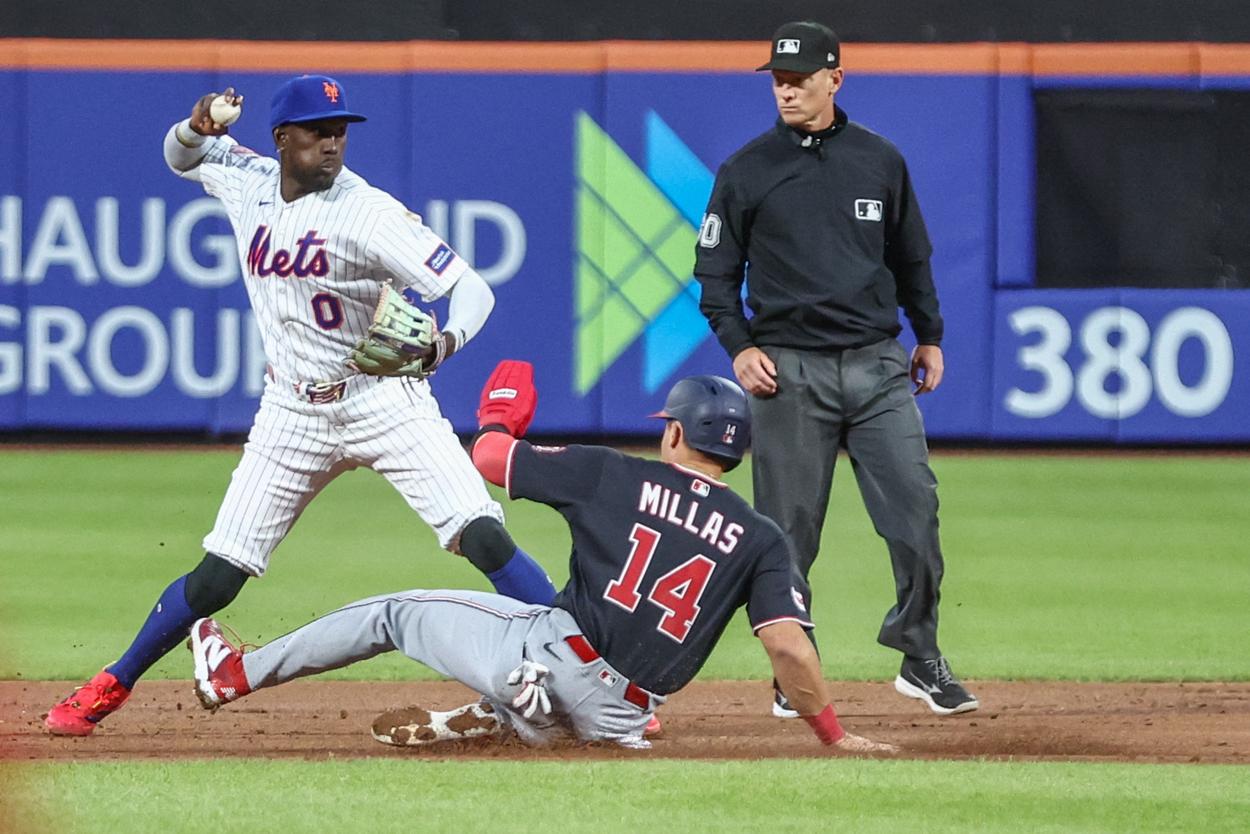
Mauricio fractured his left thumb sliding into first base on May 2. The Mets placed him on the 10-day IL on May 3, and the expected absence is six to eight weeks.
That puts him in the mid-to-late June range if there are no setbacks.
Mauricio is not the biggest name on this list, but his absence matters because the Mets have needed flexible infield help all season. When Lindor and Polanco are also out, losing another infielder is not just a depth note. It changes how the bench functions.
Tyrone Taylor
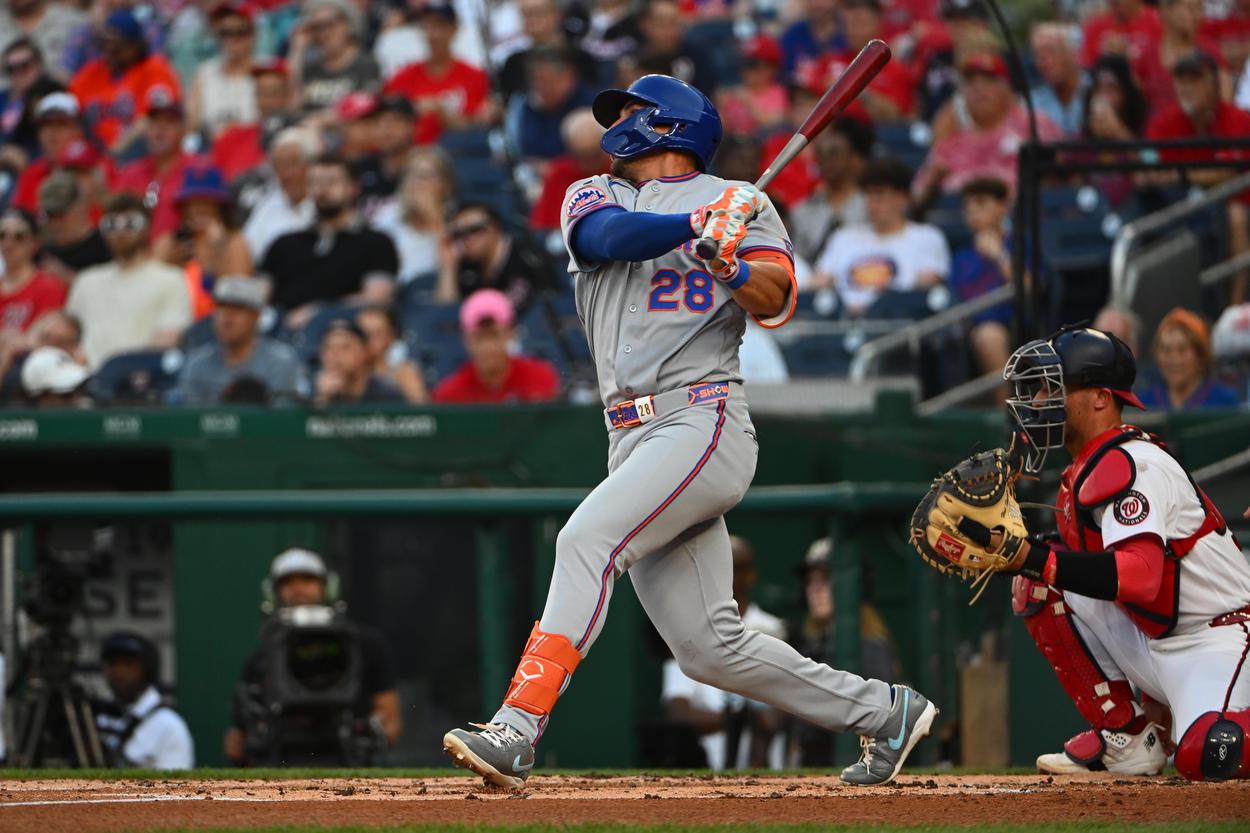
Taylor is the newest addition to the injured list after suffering a right hip flexor strain while running the bases on May 25. The Mets placed him on the 10-day IL on May 26.
MLB.com lists his expected return as mid-June, with a two-to-three-week absence likely. That is not season-crushing by itself, but the timing is miserable.
Robert is out. Taylor is out. The Mets had to bring up Eric Wagaman and keep reshuffling the roster. That is how a depth chart starts to feel thin in a hurry.
Taylor is not supposed to carry the offense, but he gives the Mets competent outfield defense and useful at-bats. On a healthier roster, losing him would be manageable. On this roster, it is another cut.
Justin Hagenman
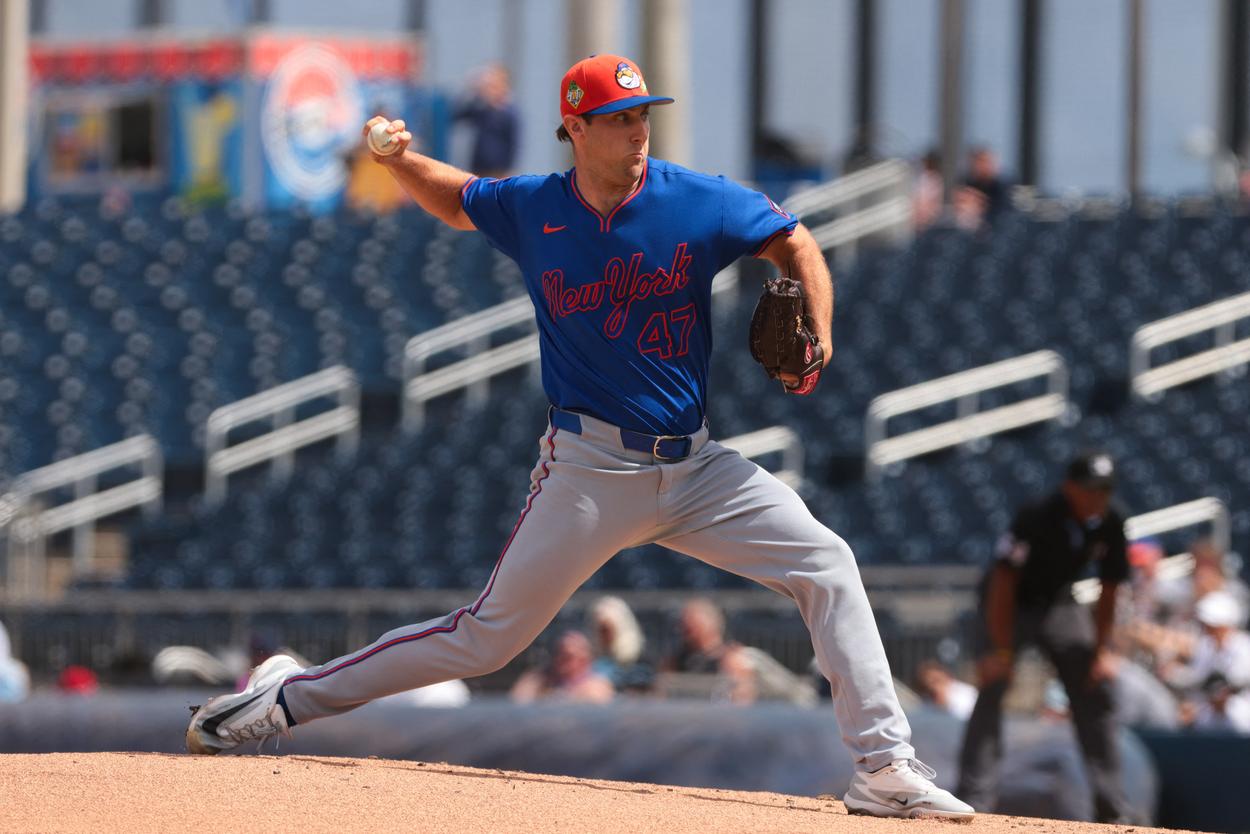
Hagenman has been on the 60-day IL since March 14 with a fractured rib suffered during a March 5 game against Washington.
The Mets initially expected a four-to-eight-week recovery before he could start building back up. MLB.com lists his return as possibly June, which makes him one of the lower-profile arms who could help the pitching depth soon.
This is not the name that fixes the Mets’ season. Still, when a team is churning through pitching the way the Mets are, every usable arm matters.
Dedniel Nunez
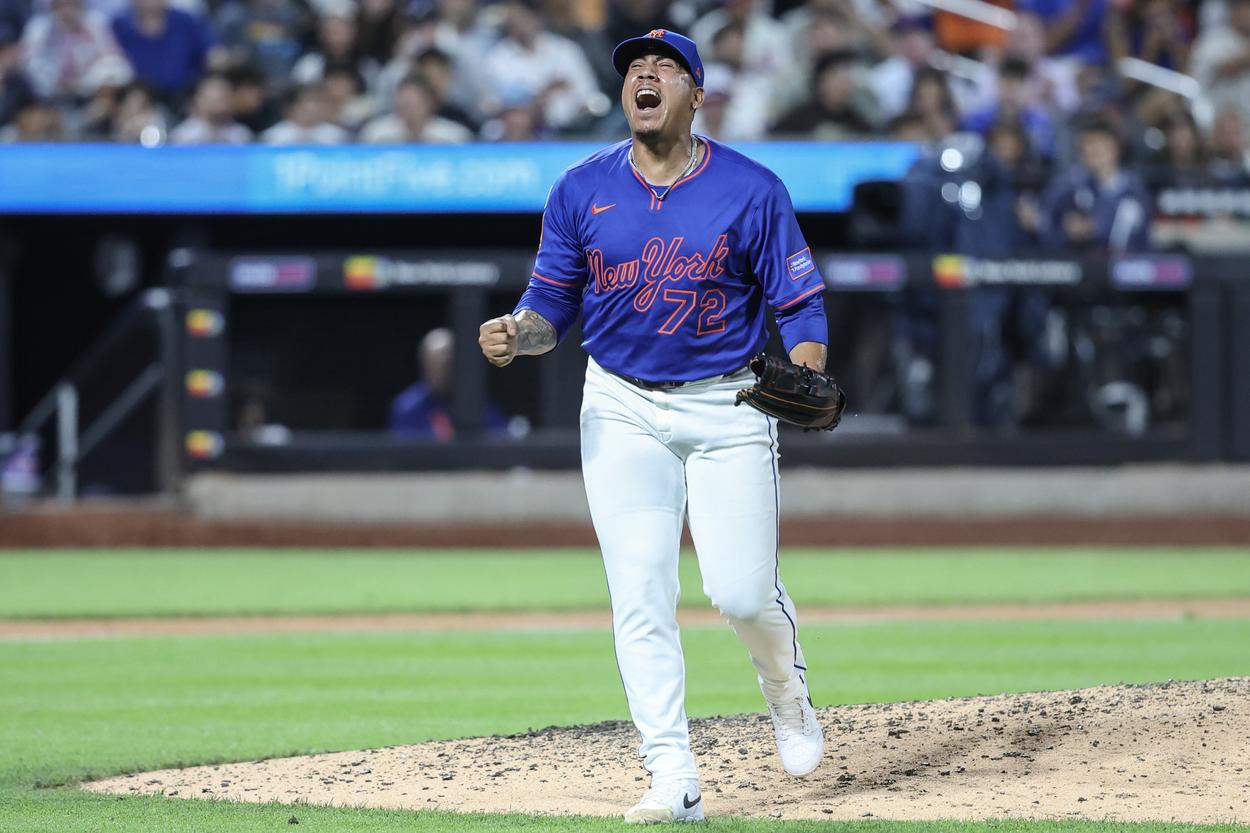
Nunez is out for the season after right elbow surgery. MLB.com lists his expected return as 2027.
That one is straightforward, and it hurts because his stuff would have had a real place in this bullpen. Instead, the Mets have had to build around the absence from the start.
The one thing working in their favor is control. Nunez remains under team control through 2029, so this is more of a long-term bullpen loss than a short-term roster question.
Tylor Megill

Megill is also out for the season while recovering from Tommy John surgery. His expected return is 2027.
That takes another possible rotation or swingman option away from the Mets. It also makes the Holmes and Senga situations sting more, because the fallback layers are not as sturdy as they looked on paper.
The Mets entered the year with what looked like a workable rotation surplus. ESM wrote in March about the rotation problem nobody in Queens was complaining about. Two months later, that problem looks a lot different.
Reed Garrett
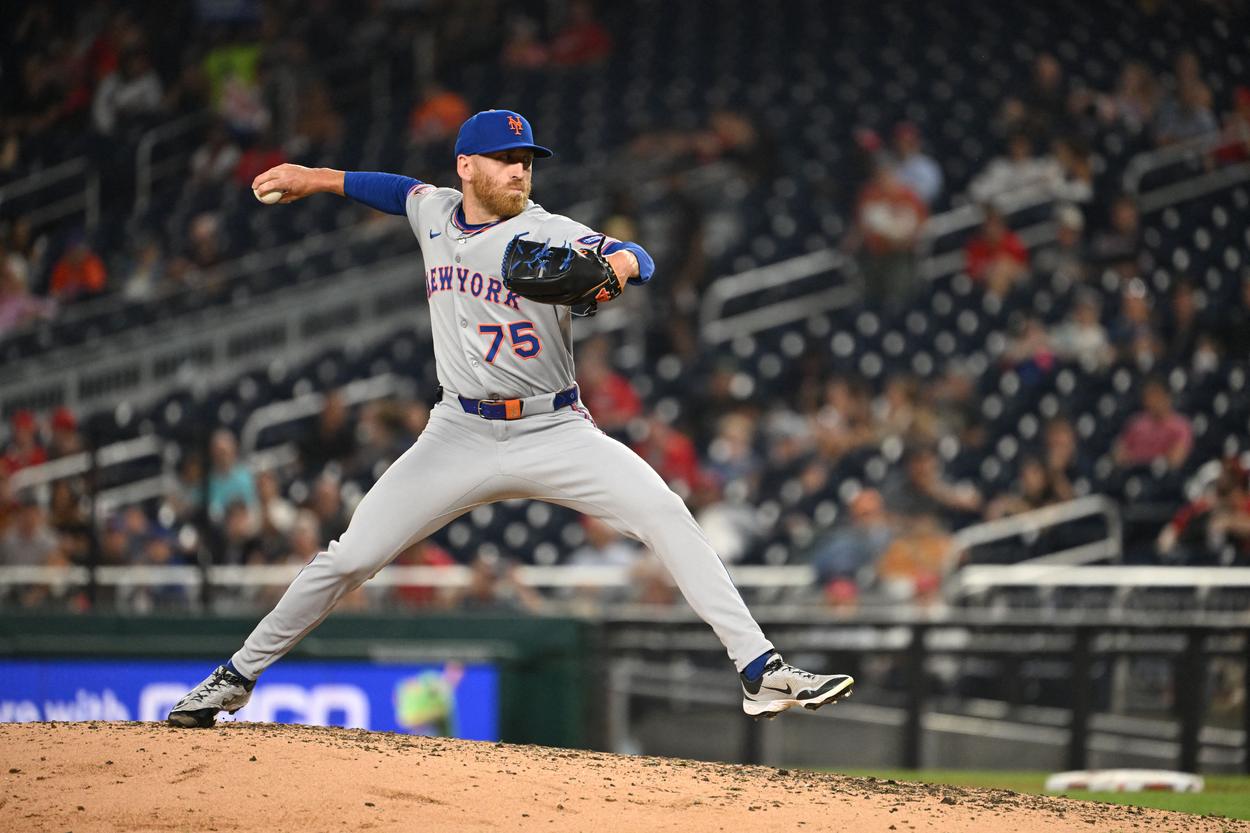
Garrett is another 2027 case. He is recovering from Tommy John surgery and will miss the entire 2026 season.
That leaves the Mets without a veteran bullpen piece who could have helped bridge games, especially while the pitching staff keeps taking hits elsewhere.
This is the part of the injury list that gets overlooked because Garrett is not a daily lineup player. But bullpen injuries stack quietly, then suddenly a manager has three arms he trusts and four he is trying to survive.
The Mets are already close to that territory.
The Mets are getting some help, but not enough yet
The Mets did activate A.J. Minter and Jared Young on May 26, so the injury picture is not all bad. Those moves help.
They just do not come close to fixing the whole thing.
Lindor, Robert, Polanco, Alvarez, Senga, Holmes, Mauricio, Taylor, Hagenman, Nunez, Megill, and Garrett are all still part of the broader injured picture in one way or another. Some are close. Some are not coming back this year. Some, like Robert, are stuck in the uncomfortable middle where nobody can give a clean answer.
That is the problem. The Mets do not need one return. They need a wave of them, and they need the right ones.
Until that happens, every loss is going to feel like more than a bad night. It is going to feel like the roster is still waiting for itself to show up.
More about:New York Mets