Andres Chavez
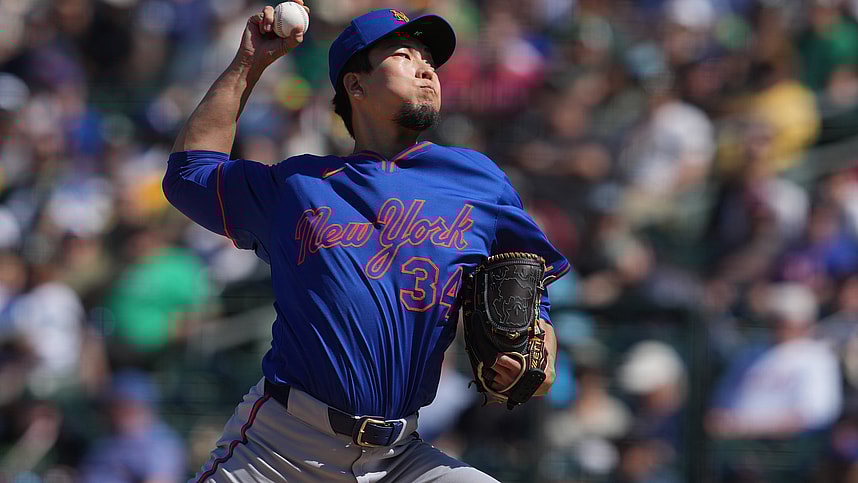
For those who might have forgotten, Kodai Senga was everything the New York Mets hoped for when he first arrived from Japan. In 2023, his rookie season felt like a revelation — a 2.98 ERA, 202 strikeouts, and the kind of poise that made hitters look lost against his trademark “ghost fork.” It wasn’t just good; it was electric. Senga looked like the ace the Mets had been searching for.
From Dominance to Doubt
But baseball has a cruel way of humbling even the best. Senga’s 2024 season unraveled almost before it began, limited to just 5.1 innings due to injuries that kept piling up. What started as a small setback became something worse — a full-on derailment.
The 2025 season began with hope. Healthy at last, Senga looked like his old self again, slicing through lineups with ease and posting a dazzling 1.39 ERA until June, when the nightmare returned — a hamstring strain sidelined him again. When he finally made it back, his command wavered, his stuff flattened, and his ERA ballooned to 5.90 over his last 39.2 innings.
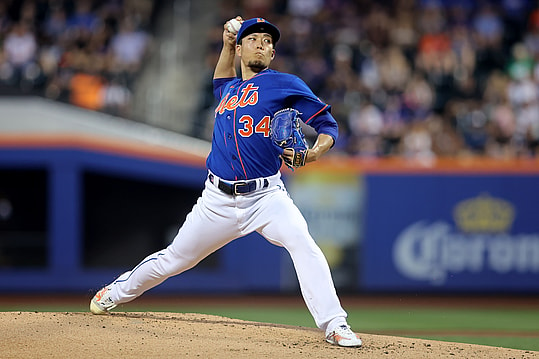
Eventually, the Mets sent him to Triple-A in an effort to help him rediscover his form. He never quite did.
A Complicated Future in Queens
Now, as the Mets look toward 2026, they find themselves in a complicated spot. On paper, Senga should be one of their rotation anchors — a proven ace with front-line talent. But his health and inconsistency have made it hard for the team to count on him. And in a winter where pitching is both scarce and expensive, that uncertainty matters.
Reports from The Athletic’s Will Sammon suggest that several clubs see Senga as a “buy-low” trade target — the kind of pitcher who could bounce back in the right setting. It’s not hard to see why. When he’s healthy, Senga can dominate any lineup in the league. The question is whether the Mets are willing to risk selling low on that upside.
What the Mets Need Most
This front office knows exactly what the Mets need — a reliable workhorse. Someone who won’t just flash brilliance for two months but will be there every fifth day, giving them 180 innings and consistency from start to finish. Senga has the first part of that equation — elite talent — but he’s been missing the durability that turns potential into stability.
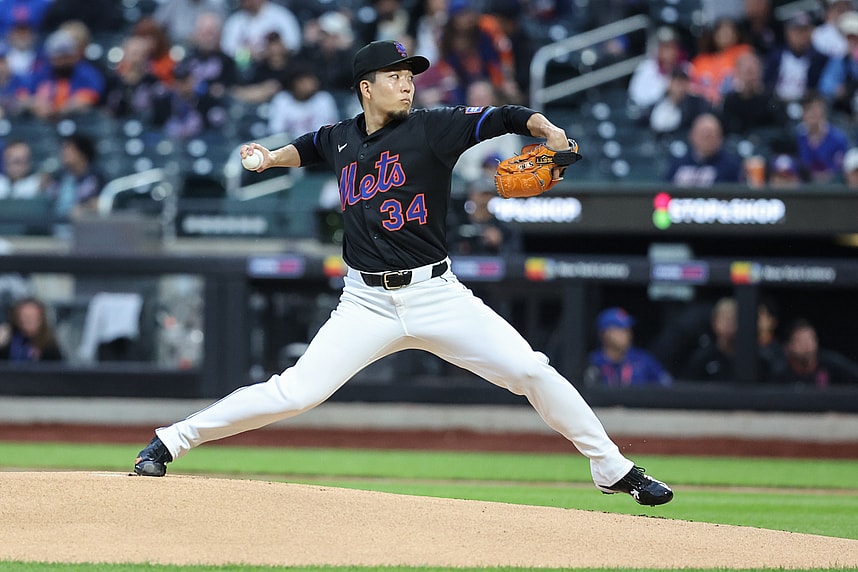
That’s what makes the decision so difficult. The Mets aren’t desperate to move him. They don’t need to. But they can’t ignore the reality that Senga’s injury history makes him a risky bet for a team trying to contend. And he might just be exactly what another team is looking for, which would enable the Mets to bring in an impactful piece back in a trade.
To Trade or to Trust?
It’s possible the Mets decide to hold onto him, betting that a full, healthy spring training can bring back the version of Senga that once looked like a Cy Young contender. After all, there’s no reason to give away an arm like his for pennies on the dollar.
Still, if another club comes calling with the right package — perhaps a controllable starter, an impact reliever, or a couple of young position players — it’s hard to imagine the Mets won’t at least listen.
Senga’s story in New York isn’t over yet, but it’s entering a fragile phase. The talent is still there. The heart is still there. But will the health — and the Mets’ patience — hold up long enough for him to prove it?

More about:New York Mets