
 Andres Chavez
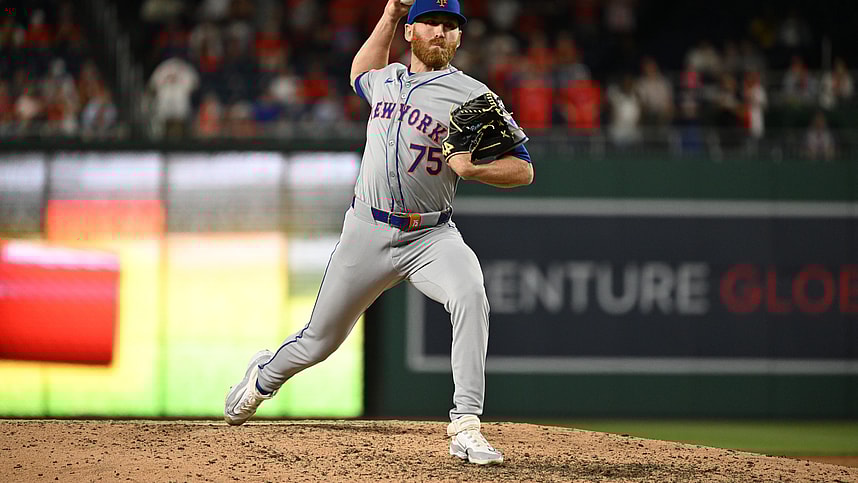
The New York Mets built much of their bullpen trust on Reed Garrett’s steady right arm — but that trust is slipping.
Garrett, who posted a solid 3.77 ERA in 2024 and owns an impressive 3.10 mark this season, has suddenly hit turbulence.
Once a dependable late-inning option, the right-hander’s recent outings have been anything but reassuring for manager Carlos Mendoza.
On Wednesday, Garrett surrendered three runs while recording just two outs, a collapse that sealed another frustrating Mets loss.
The numbers tell a worrying story
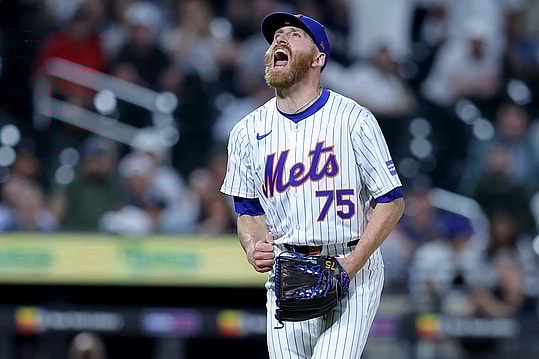
Since the calendar flipped to June, Garrett’s ERA is a worrisome 5.70 — an alarming spike for someone so reliable.
Mets Batflip on X didn’t mince words, suggesting the Mets to use Garrett’s remaining minor league option to regroup in Triple-A Syracuse.
It’s the kind of move that would have seemed absurd just a month ago, but baseball can turn reputations fast.
The Mets already bumped Frankie Montas, a $34 million arm, from the rotation, so financial investment is no longer a protective shield.
Even a trusted bullpen arm can find himself on the bus to Syracuse if performance dips beyond a certain threshold.
Why the Mets might consider a reset
Garrett’s early-season workload has been heavy, and fatigue could be dulling the late life on his pitches.
The right-hander was leaned on heavily during April and May, often called upon for back-to-back appearances and multi-inning outings.
That kind of usage can slowly chip away at sharpness, leaving pitches a fraction slower or drifting over the heart of the plate.
Sending him to Triple-A could give him both physical rest and mental space, away from the high-leverage chaos of Queens.
It would not necessarily be a punishment, but rather a recalibration for a pitcher who has proven his value before.
Fatigue or adjustment from hitters?
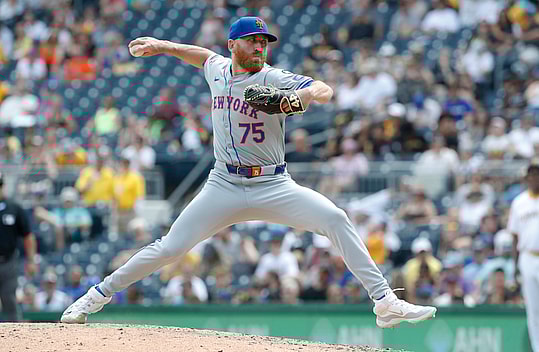
Garrett’s struggles might be as much about scouting reports as stamina, with hitters seemingly squaring him up more often.
When opponents figure out your patterns, every mistake over the plate becomes a batting practice offering.
It’s a bit like a chess player leaning on the same opening too many times — eventually, someone sees the trap coming.
Whether the issue is mechanical, strategic, or purely exhaustion, Garrett’s stuff hasn’t looked as crisp or deceptive lately.
His splitter, once a reliable put-away pitch, has been missing spots and catching too much of the zone in key situations.
What’s next for Garrett and the Mets?
Demoting him is still unlikely, but the Mets may quietly adjust his workload, saving him for matchups that suit his arsenal.
They could also use lower-leverage spots to help him regain confidence before throwing him back into late-inning fire.
At his best, Garrett brings a calm, fearless presence that can lock down tight games and secure wins in the standings.
Right now, that version of Reed Garrett feels just out of reach — and the Mets are left waiting for his return.
If history is any guide, Garrett has the resilience to rebound quickly once the adjustments click and the arm feels fresh.
The Mets, however, don’t have unlimited time — every game matters, and the bullpen’s margin for error is shrinking fast.
READ MORE: Mets need length from their starting pitchers to get back on track

More about:New York Mets
