
 Andres Chavez
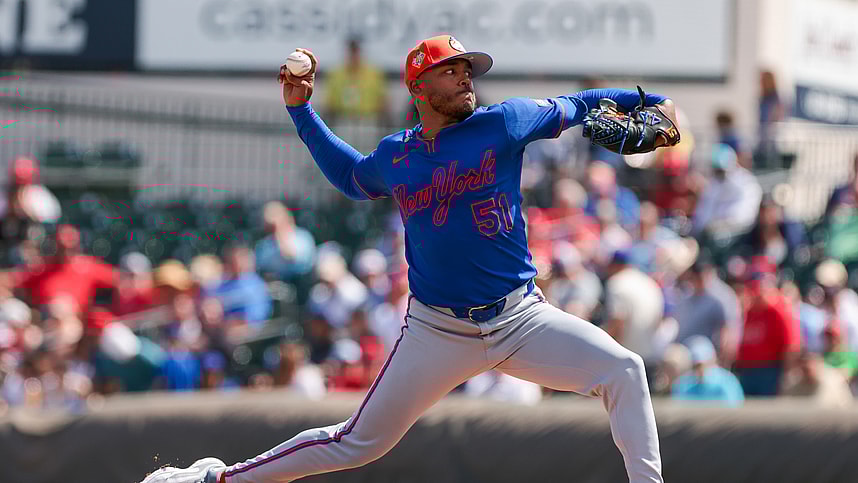
David Stearns, the New York Mets‘ president of baseball operations, has a type. He likes his deals short, high-value, and packed with the kind of flexibility that makes general managers sleep better at night. But Freddy Peralta is not a placeholder. He is not a “bridge” to the next prospect. He is their ace, and right now, he is the guy holding all the leverage in Queens.
The Mets didn’t mortgage a chunk of their future just to rent a masterpiece for one summer. Sending Jett Williams and Brandon Sproat to Milwaukee was a massive statement of intent. You do not trade away that kind of blue-chip talent for a temporary solution. You do it because you want a legitimate ace to anchor your rotation for the next half-decade.
The Price of Performance
Peralta is coming off a 2025 season that was nothing short of elite. Winning 17 games and pitching to a 2.70 ERA does more than just earn you a fifth-place finish in the Cy Young voting. It changes the math of your next contract. He is entering his age-30 season, and while David Stearns might prefer those flashy, short-term, high-AAV deals, Peralta is looking for something else entirely according to Ken Rosenthal.
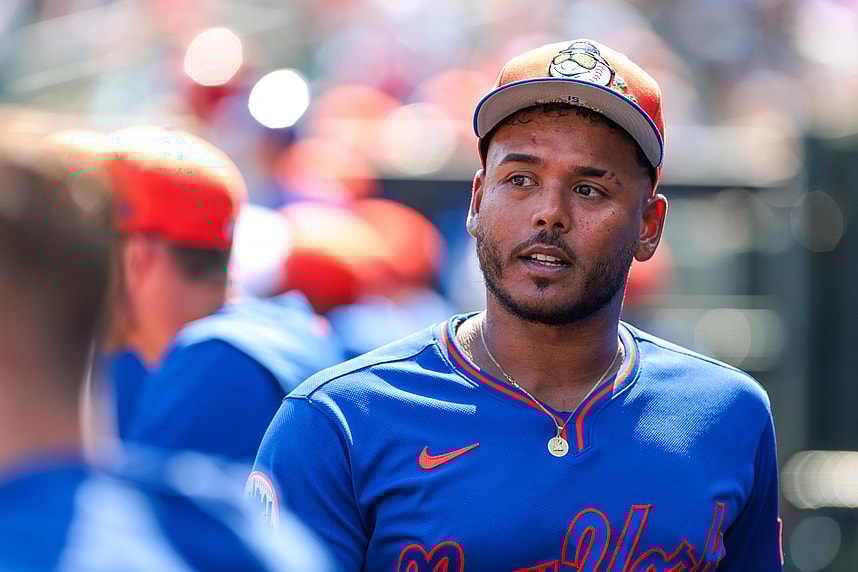
He wants roots. He wants the security of a long-term commitment that takes him through the end of his prime. When asked about extension talks, he flashed that grin and offered a “no comment,” but the subtext was loud enough to hear in the back row of the bleachers. He wants to be where he can finish his career. That usually means a contract with more years than Stearns is typically comfortable handing out.
A Familiar Poker Game
There is a deep history here that cannot be ignored. Stearns was the one who oversaw Peralta’s rise in Milwaukee. He knows the medicals, the work ethic, and the sheer talent that allows a 6-foot righty to strike out 204 batters in 176.2 innings. That familiarity is a double-edged sword. It builds trust, sure, but it also means Stearns knows exactly where the risks lie.
The Mets’ rotation is in a fascinating spot right now. You have Tobias Myers as a valuable swingman and Nolan McLean rising through the ranks. But those are supporting actors. Peralta is the lead. If the Mets let him walk into free agency after the 2026 World Series, they risk a repeat of the high-priced bidding wars they’ve tried to move away from recently.
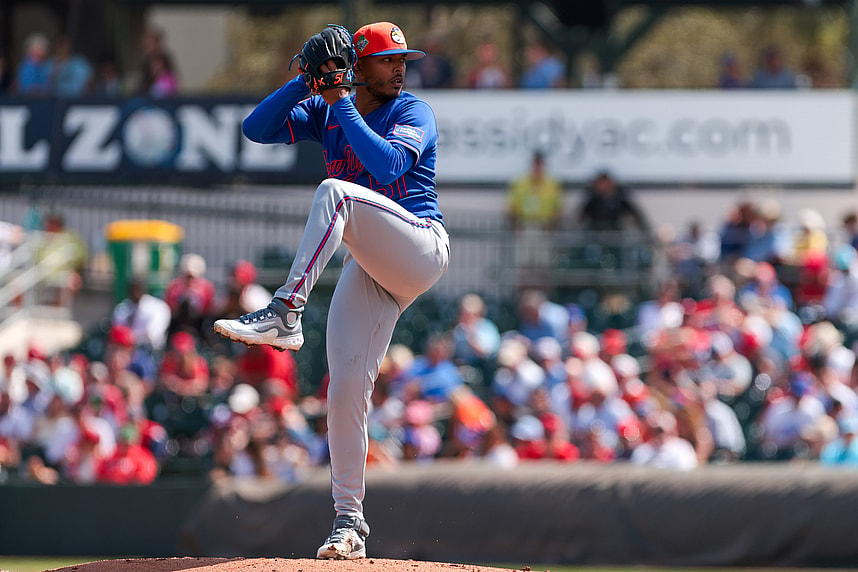
Long Term or Bust
Rosenthal suggested that a deal seems destined, yet that “long vs. short” philosophical divide is a real hurdle. Stearns loves the “bridge” contract, but an ace at age 30 isn’t interested in a bridge. He wants the whole destination. If the Mets want to keep their new prize, they are going to have to break their own rules regarding contract length.
It boils down to a simple question of value. Is a 30-year-old arm with a 3.59 career ERA and a strikeout rate that makes hitters look foolish worth a four or five-year investment? In the current market, the answer is usually yes. The Mets paid a high price in prospects to get him in the building. It would be a disaster to let him walk out the door over a couple of extra years on a contract.
Opening Day against the Pirates is just the beginning of this narrative. Every quality start Peralta records this year adds another zero to his asking price. Stearns knows the player, but the player knows his worth. This isn’t just about baseball anymore. It’s a high-stakes game of financial chicken, and the Mets can’t afford to blink.

More about:New York Mets
