
 Alexander Wilson
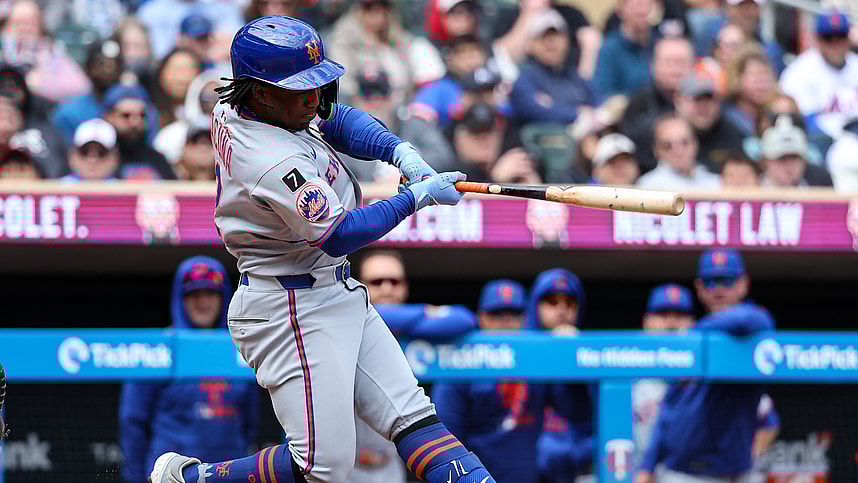
Some offseasons revolve around one move. Others revolve around a series of decisions that shape the franchise for years. The Mets are dealing with both realities at once. Extending Pete Alonso remains the top priority — more important than any trade, free-agent splash, or lineup adjustment they make this winter. But beneath that headline sits a set of quieter, yet important questions about the direction of their young core.
One of those questions centers on Luisangel Acuña, the 23-year-old infielder who hasn’t yet convinced the Mets he’s part of their long-term plans.
Alonso’s extension must be the first box checked
With Josh Naylor now off the board, the Mets’ backup options at first base have thinned out significantly. Without Alonso, they’d be staring at a complicated position group, something a contending team simply cannot afford.
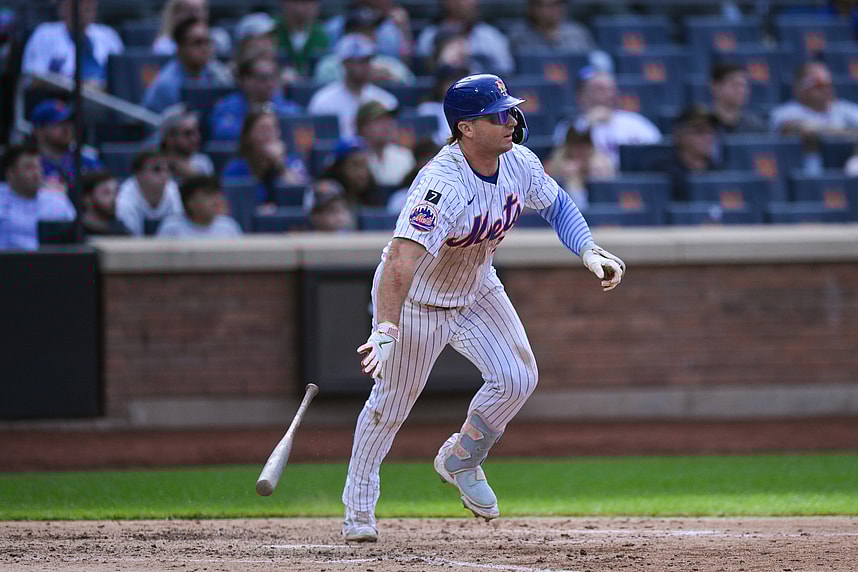
Alonso isn’t just a top-of-the-order bat. He’s durability, leadership, and a consistent source of production. The Mets know exactly what they get from him — 35 to 40 home runs, 100-plus RBIs, and a presence in the clubhouse that doesn’t show up in WAR calculations. It would be, as the saying goes, flat-out irresponsible not to extend him.
He’s the top of the market, and the Mets are too aware of their own roster to pretend otherwise.
But behind that obvious need lies another, more delicate one.
Luisangel Acuña’s talent is clear, but the fit is becoming harder to find
Acuña has now played 109 MLB games, hitting .248/.299/.341 with 1.1 WAR. The offensive profile is easy to understand: elite bat-to-ball ability, strong contact skills, and good athleticism, but almost no power. He’ll hit a handful of home runs per year at most. That’s fine in theory, but it requires above-average consistency and defensive value to offset the lack of slugging.
The Mets haven’t seen enough of that consistency yet.
He looked far more polished in Triple-A, hitting .303 over 28 games this past season. But the major league version of Acuña still appears raw, almost caught between the promise of his tools and the demands of the league’s pitching. With New York positioning itself to contend immediately, they can’t afford developmental windows at every infield spot.
That’s where the logjam forms.
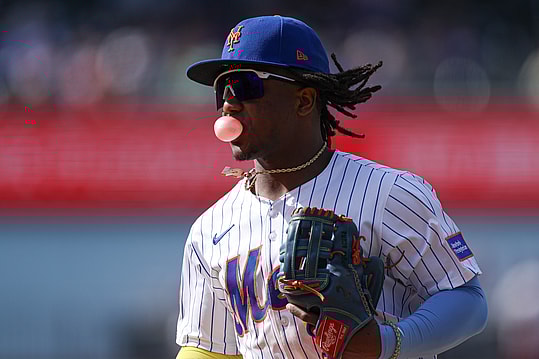
The Mets’ infield depth is working against him
The Mets simply have better options right now. Their long-term belief in Brett Baty at third base puts Acuña’s clearest lane to playing time on life support. Francisco Lindor isn’t going anywhere at shortstop. Jeff McNeil, when healthy, remains a versatile piece.
Acuña is too talented to stash in Triple-A forever, but not ready enough to force his way onto a win-now roster. He’s stuck in a tough middle ground.
Unless he has a monster spring training — the kind that turns heads and reopens internal debates — he won’t be beating out Baty for the third-base job in 2026. The Mets know that, Acuña likely knows that, and the front office has to decide what to do next.
Trade chip or long-term project?
Acuña still holds value on the trade market. His contact skills, athleticism, and bloodline make him an attractive piece for a younger team or a club with more positional flexibility. He wouldn’t headline a major trade, but he’d strengthen the type of package the Mets might need to finalize a rotation upgrade or bullpen addition.
If the Mets choose not to move him, they risk letting his value stagnate behind veterans who block his path.

More about:New York Mets
