
 Quinton Fesq
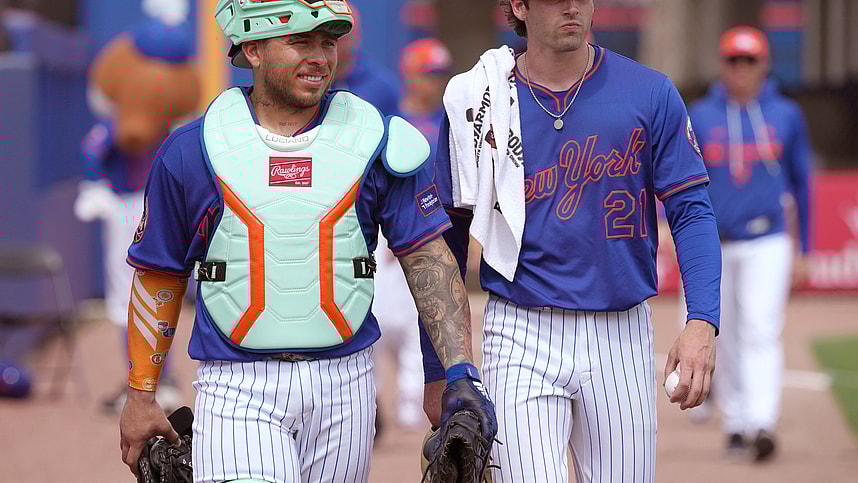
The first sign something was different came during Kodai Senga’s Grapefruit League start against the Houston Astros. Between pitches, Francisco Alvarez turned and looked into the Mets dugout. Catching coach J.P. Arencibia flashed a sign. Alvarez checked it, punched the buttons on his PitchCom device, and the call went to Senga on the mound.
It wasn’t every pitch. It wasn’t even most of them. But it was new.
The New York Mets are experimenting with calling pitches from the dugout, following in the footsteps of their NL East-rival Miami Marlins, who piloted the concept at the MLB level over the final 9 games of the 2025 regular season and are now committed to it as a full organizational directive in 2026. With Opening Day 3 days away, the experiment is real, and it’s worth understanding what it actually is, what it isn’t, and why a Mets team built to compete — not rebuild — is bothering with it at all.
How the System Works
The mechanics are straightforward. With the Marlins, the assistant pitching coach relays a sign to the catcher, who checks a sheet on his wristband and inputs the selection into PitchCom to relay to the pitcher. The Mets are running a looser version of that model. Mets catchers can look to the dugout for a sign but can also decide on a different pitch. If the catcher does call for the dugout’s pitch, the pitcher can still shake it off. One Mets player described the dugout sign as a “suggestion.”
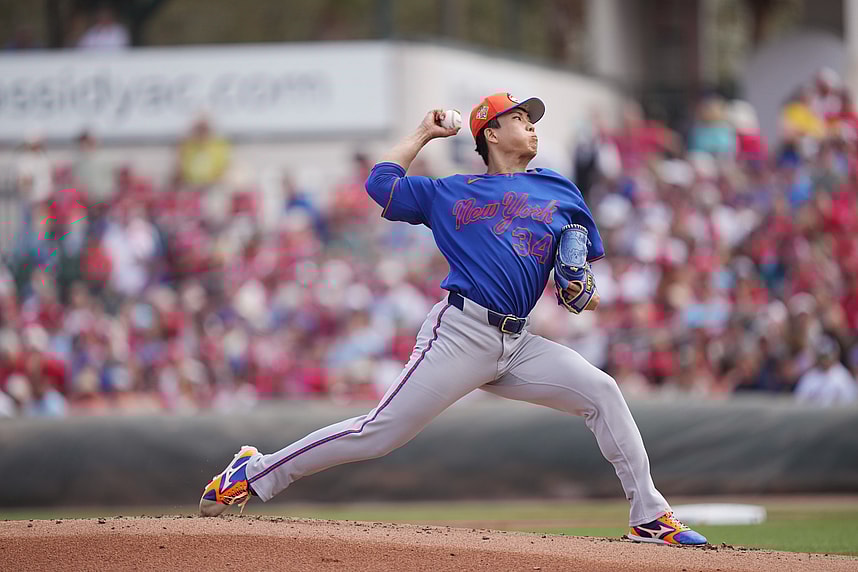
That last word does a lot of work. The Marlins’ system is closer to a directive — every pitch comes from the bench first, with the pitcher retaining shake-off rights but facing real pitch-clock pressure to act on the initial call. Mendoza was clear that the Mets are “not doing this like Miami’s doing it.” What the Mets are building is more of a safety valve: coaching staff input available on request, not mandatory at every pitch.
It is a double layer of override. The dugout suggests. The catcher can change it. The pitcher can shake. The chain of authority still runs through the battery.
Why Bother?
The Marlins’ rationale is rooted in analytics and pitcher development. The philosophy centers on pitch selection being based on what pitch will produce the best outcome — coaches prioritize a pitcher’s most effective offerings over instinct or feel, using available pitch data game to game and even inning to inning. One of the core insights driving the approach: dugout-called pitches are largely designed to find the right equilibrium of fastball to non-fastball usage, preventing pitchers from over-relying on their heater in spots where secondary offerings statistically outperform it.
The results from Miami’s minor league system backed the idea before it hit the majors. While calling pitches from the dugout throughout their minor league system in 2025, the Marlins ranked among the best organizations in strikeout rate, barrel rate allowed, and whiff rate. None of that proves a direct causal link, but it was enough for Miami’s front office to go all-in.
For the Mets, the calculus is different, and Mendoza made no attempt to pretend otherwise. He said the Mets have used the approach with minor league pitchers who need to work on specific offerings, and that the buy-in from players has been good — while making it clear they won’t call every pitch and are still working through when and how to deploy it.
The why for New York is probably less about replacing catcher authority and more about managing a specific set of circumstances: a young rotation, a 6-man usage plan, and a catcher in Alvarez who is excellent but still developing as a game-caller entering his age-24 season. Giving Arencibia a mechanism to check in without pulling Alvarez off the mound to talk through sequencing? That has real value, especially early in the year when opposing hitters haven’t yet seen this rotation’s full arsenal.
The Real Question: Francisco Alvarez
The Marlins’ early rollout generated friction from catchers who felt the system undermined their authority. The Marlins initially received pushback from catchers who wanted more control and from pitchers worried about pitch-clock violations with a third party in the relay chain. The Mets’ more permissive model addresses some of that concern by design. But Alvarez is the variable worth watching closely here.
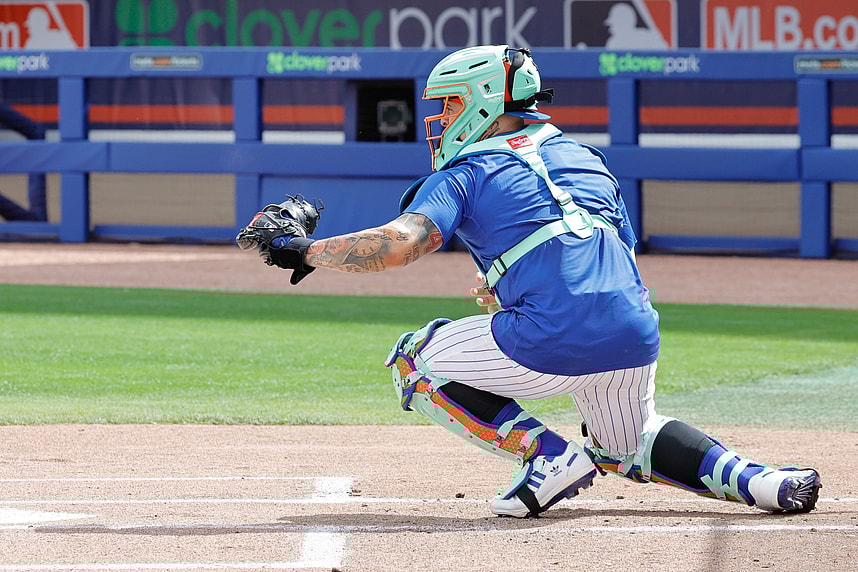
He’s arguably the best pitch-framing and receiving catcher in the NL and has shown real growth in how he manages a game. If dugout input becomes a crutch rather than a resource, there’s a development cost. Mendoza acknowledged as much, saying catchers “need to have a feel for the game” and “need to be able to make adjustments” — framing the dugout sign as a supplement, not a substitute for catcher intelligence.
The goal, as Mendoza put it, is to be ready to help when a pitcher needs it — not to run the game from the bench.
Bigger Picture
This isn’t happening in a vacuum. The Giants, under new manager Tony Vitello hired from the college ranks where coach-called games are the norm, have also discussed deploying some dugout calls. The Rockies, who hired Marlins architect Alon Leichman as their pitching coach this offseason, are expected to experiment with it as well. The concept that calling pitches is strictly a battery function is getting pressure from multiple directions across the league.
Unlike the Marlins and Rockies, the Mets are a big-market operation expected to carry a top-two payroll for the 5th consecutive season. That’s the part of this story that gets underreported. Dugout pitch-calling has been framed as a resource-strapped team’s workaround — a way for a low-budget franchise to extract more from young, cheap pitchers by putting smarter decision-making behind the mound. The Mets adopting even a version of it signals something different: this isn’t a poverty tax. It’s an arms race.
If Alvarez glances into the dugout in April and the Mets’ rotation posts strong early numbers, expect this conversation to get a lot louder around the league.
More about:New York Mets
