
 Andres Chavez
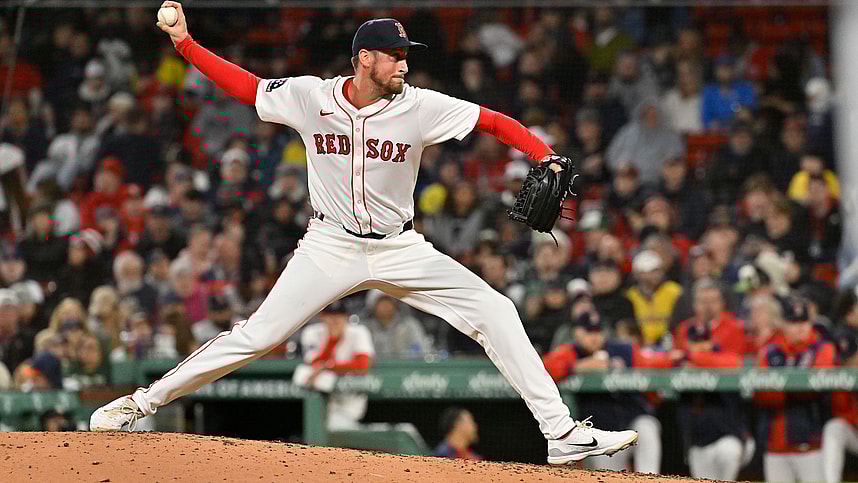
A quick look at Cooper Criswell’s stat line won’t turn many heads, but for a team that spent all of 2025 duct-taping innings together, the New York Mets see something worth betting on. Maybe that says as much about Criswell as it does about where this roster sits heading into another winter defined by pitching desperation. The Mets need arms, plural, and they need them in every form imaginable.
A Low-Key Move That Says Plenty
The Mets’ claim of Cooper Criswell might feel small, almost background noise in an offseason filled with flashier headlines. But in Queens, nothing about pitching depth is insignificant. After Boston designated him for assignment following its deal for Johan Oviedo, the Mets pounced, undeterred by the guaranteed 2026 salary the Red Sox front office hoped would act as a deterrent.
Eight hundred thousand dollars doesn’t qualify as sticker shock for a club staring down yet another year where depth can make or break them. And whether Criswell ends up being an up-and-down option or something sturdier, the Mets are signaling exactly the mindset they’ve adopted: collect arms and sort it out later.

What the Mets Think They Can Unlock
Criswell isn’t overpowering, but he’s steady, and sometimes that’s the doorway to more. Over the past two seasons in Boston, he logged a 4.00 ERA across 117 innings, with 19 of his 33 appearances coming as a starter. That flexibility is the real hook here. The Mets don’t just need starters. They don’t just need relievers. They need pitchers who can wear whichever hat the moment demands.
His numbers tell a split-screen story. In his limited MLB sample last year, he produced an 11.3 percent strikeout rate across 17.2 innings, a mark that suggests hitters weren’t exactly baffled. But drop him in Triple-A and the picture changes. Over 65.2 innings in Worcester, he carried a 24.5 percent strikeout rate, enough to make a team with pitching-development ambitions wonder what happens if those swings and misses translate at the major league level.
It helps that the Mets’ pitching department now operates under Justin Willard, who came over from Boston and already knows Criswell’s profile inside and out. Familiarity tends to speed up adjustment.
A Toolbox Built for Flexibility
Criswell’s repertoire won’t dominate a Stuff+ leaderboard, but it gives coaches pieces to work with. The changeup is his signature, the cutter and sinker give him movement in opposite directions, and the sweeper adds just enough east-west threat to keep righties honest. The package worked well enough to produce a career 4.48 ERA, and the Mets aren’t pretending he’s something he’s not. They just believe they can help him sharpen what’s already there.

For a pitching-needy roster, having someone who can blend into different roles matters. Think of Criswell as a plug-in option rather than a fixed-slot investment. If injuries hit early, he can start. If the bullpen is gassed, he can cover multiple innings. If everything actually goes right, he becomes a steady depth piece sitting at Syracuse until needed. Any of those outcomes provides value.
Why This Move Fits Where the Mets Are Headed
This is the kind of addition the Mets need to make while big-ticket pursuits continue elsewhere. They’ve chased name after name across the market, but the quieter moves often determine whether a season stays afloat by July. Criswell represents insurance, upside, and familiarity, all wrapped in one inexpensive bet.
And if the Mets can coax a little more swing-and-miss out of him, that bet might look a lot better than people realize today. For a club constantly trying to rebuild a pitching base while competing in real time, these are the gambles that matter on the margins.
In a winter full of major questions, Cooper Criswell won’t answer any of them alone, but he might help keep the Mets from asking even more later.

More about:New York Mets
