
 Andres Chavez
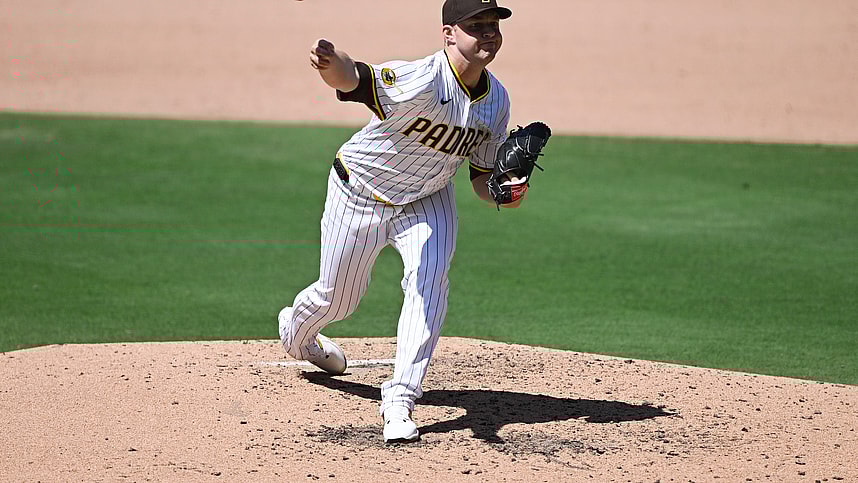
A $200 million contract for Dylan Cease has a way of resetting the room. Suddenly every team with October aspirations is staring at the board and realizing that elite pitching, once again, holds the offseason by the collar. Ranger Suarez has a crowd around him. Framber Valdez is drawing steady calls. Tatsuya Imai has half the league waiting out his posting process. And if the New York Mets want to shift their 2026 trajectory from hopeful to legitimate, they know the drill: frontline pitching or bust.
Mets Turning Back to a Familiar Arm
Here’s the part that shouldn’t surprise anyone who has paid attention to the Mets front office over the last couple of years: their long-standing interest in Michael King never faded. It barely even flickered. King may have left the Yankees for the Padres in the Juan Soto blockbuster before 2024, but the Mets kept him circled, underlined, and starred. According to Mark Feinsand, they’re now one of the most aggressive suitors in his free-agent market.
There’s logic here that goes beyond simple familiarity. King already passed the New York pressure test once. He handled the late innings in the Bronx, then evolved into a full-fledged rotation piece in San Diego. That combination matters. New York isn’t a place where every pitcher finds his footing, and the Mets know the value of someone who’s already learned how to tune out the noise.
King’s Value Goes Beyond His Surface Line
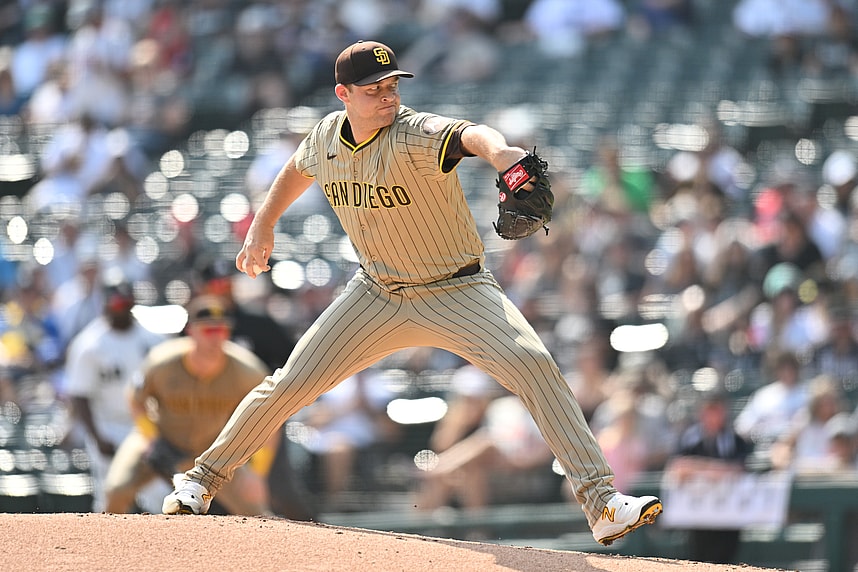
The injuries in 2025 weren’t ideal, and 15 starts barely gives anyone a rhythm. Still, King produced a 3.44 ERA and struck out more than a batter per inning. Those are the numbers of a pitcher who understands how to compete even when he’s not at his peak.
But the season that really put him on the Mets radar is still 2024. That was the year he stretched out fully, pushed to 173.2 innings, punched out 201 hitters, and carved through lineups with the precision of a pitcher who had finally unlocked all the levers in his arsenal. A 2.95 ERA in a year filled with offensive spikes around the league isn’t the kind of thing a team forgets. The Mets certainly haven’t.
The Fit in Queens Makes Too Much Sense
What the Mets are building right now is a rotation with a foundation but not enough ceiling. Kodai Senga is a legitimate frontline presence when healthy. Sean Manaea offers stability. There are intriguing young arms like Nolan McLean who could pop. Yet this group is still short a true co-anchor, someone with swing-and-miss stuff and a track record of handling big environments.
King checks all of those boxes. He isn’t cheap, and he shouldn’t be. Free agency rarely rewards caution, especially not for a pitcher entering his prime with a recent workload spike and elite strikeout totals. A multi-year deal is coming, probably a sizable one, but the Mets are in a moment where quality matters more than comfort.
A Market That’s Only Getting Hotter
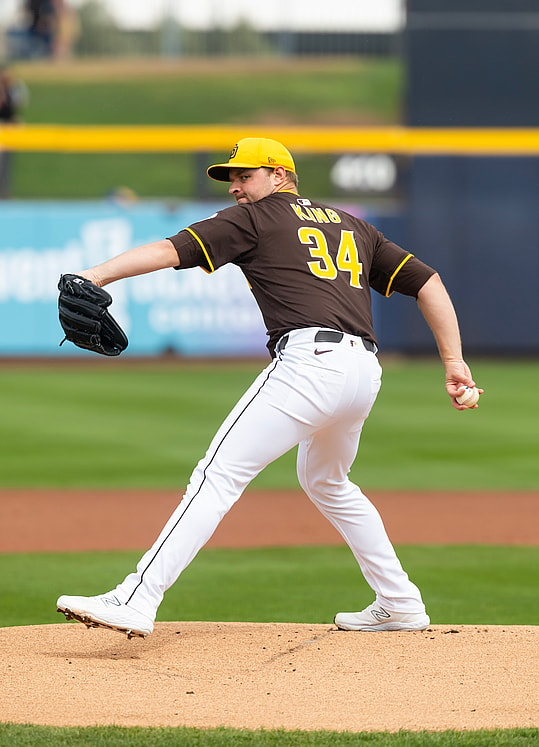
With the price of premium arms climbing and contenders refusing to blink, the Mets don’t have the luxury of waiting. The longer the market churns, the more teams will pivot to alternatives like King once they strike out on bigger names. If New York believes he can replicate his 2024 form and anchor a rotation alongside Senga, then this is the time to act.
The Mets have spent the early winter talking about intent, improvement, and resetting the arc of the roster. Adding Michael King would turn those ideas into something real. And if they want to be taken seriously in 2026, it might be the kind of move that defines whether they’re climbing or standing still.

More about:New York Mets
