
 Andres Chavez
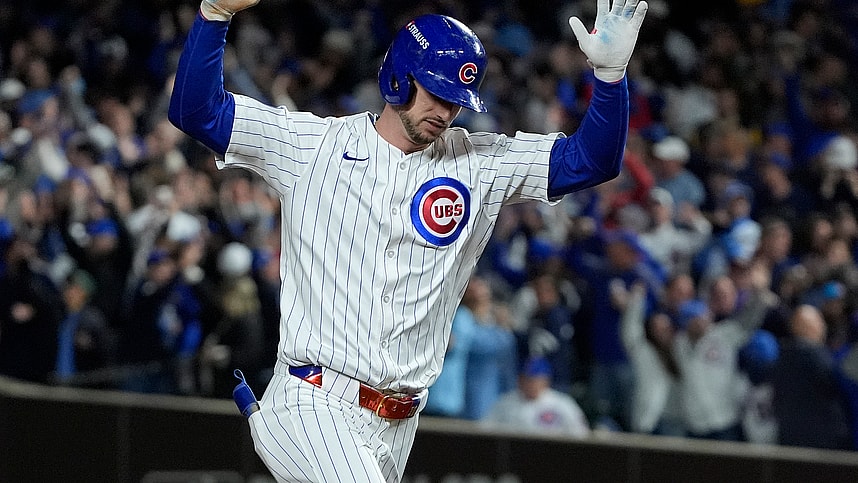
The New York Mets do not look like a team still shopping. They look like a team rebuilding an entire position group in real time.
After moving on from Brandon Nimmo, José Siri, Jeff McNeil, and Cedric Mullins, the Mets’ outfield depth chart reads more like a draft board than a finished product. Juan Soto is the anchor. Tyrone Taylor is there for now. Carson Benge waits in the background as a future piece. That is not enough for a club that just committed 15 seasons to a generational bat and expects to contend immediately.
So the Mets keep circling back to the outfield market, and their attention has landed on a name that changes the shape of the conversation.
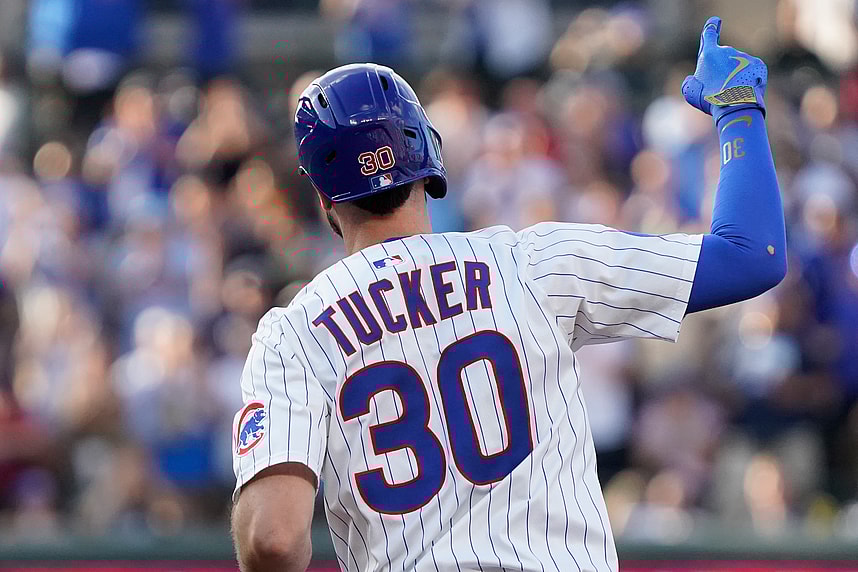
Kyle Tucker.
A roster hole that demands creativity
This is not a luxury add. It is structural. The Mets stripped the position down to studs, and that forces them to be aggressive in how they rebuild it.
For weeks, Cody Bellinger felt like the clean solution. Versatility, center field insurance, and a long track record. Instead, the Mets appear lukewarm, almost hesitant. That hesitation tells you something. New York is thinking bigger, even if it means thinking differently.
Tucker is not a plug-and-play role piece. He is a lineup-altering presence. A player who bends roster construction around him rather than fitting into it.
Why Tucker fits the Mets’ moment
Tucker’s 2025 season with the Cubs quietly reinforced what evaluators have believed for years. The bat plays everywhere. A 136 wRC+ with 22 home runs and 25 stolen bases is not just production, it is balance. Power without stiffness. Speed without recklessness. He pressures pitchers, defenses, and game plans in ways that do not show up in one stat column.
This is the kind of profile that pairs naturally with Juan Soto. Soto grinds you down. Tucker punishes you when you blink. Together, they tilt an entire series before the first pitch.
The Mets know that kind of player rarely reaches the market in his prime. At one point, Tucker was projected to command close to $400 million. That number is no longer realistic, but $300 million is still very much in play for teams willing to live with the back end of a long deal.
The Mets are not one of those teams.
The short-term hammer New York can swing
What the Mets can offer, and what very few teams are willing to, is money without permanence.
According to Will Sammon, the New York Mets are believed to be offering Tucker a three-year deal in the range of $120 to $140 million, with a decision possibly coming as soon as this week. That structure matters. It is not just aggressive. It is surgical.
New York already tied itself to Soto for 15 seasons. Another decade-long commitment would limit flexibility just as Carson Benge and the next wave of prospects begin to surface. A short-term, high-dollar deal threads the needle.
For Tucker, the math is compelling. Three years. Nearly $50 million per season. Then free agency again at 31, with another massive payday still on the table. Few players ever get two bites at that apple.

Risk, leverage, and timing
Of course, interest cuts both ways. Tucker may prefer the security of a longer deal. He may want the peace of mind that comes with knowing the contract never runs out. That is understandable.
But this structure gives him leverage later, not less. It gives him control. It gives him the chance to re-enter the market with prime years still left and a résumé that includes playing on a stage as loud and unforgiving as New York.
For the Mets, it is a rare opportunity to add an elite talent without mortgaging the next decade.
They do not need Tucker forever. They need him now. And sometimes, that is the smarter bet.

More about:New York Mets
