
 Alexander Wilson
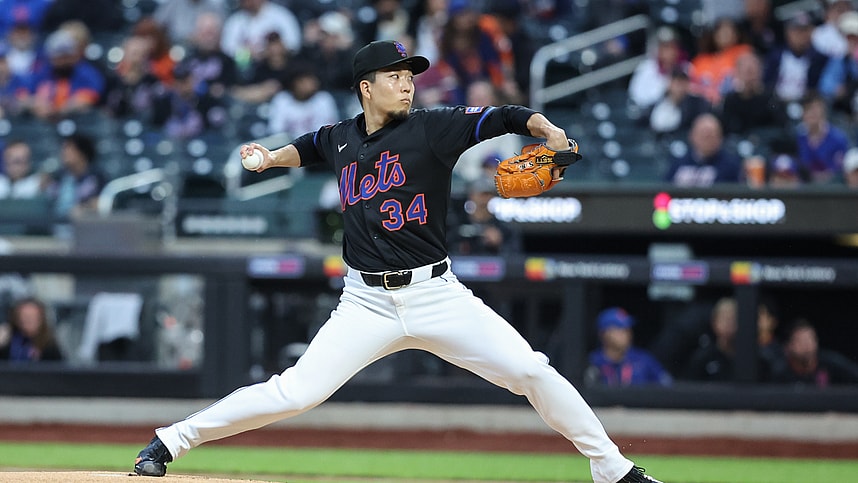
Sometimes an offseason starts with a whisper. For the Mets, it’s starting with a list. Veterans are being evaluated. Roles are being reconsidered. And one name keeps coming up in conversations around the league: Kodai Senga.
It’s a little surprising on the surface. A pitcher with a 3.02 ERA doesn’t usually wind up on the trade block. But peel back the layers, and the Mets’ motivation becomes clearer.
Senga’s performance was solid, but the trajectory is the concern
Senga’s 2025 season wasn’t bad. In fact, it was efficient considering everything that went wrong physically. He threw 113.1 innings, kept runs off the board, and showed flashes of the version that looked like a long-term rotation anchor when the Mets signed him to a five-year, $75 million deal back in 2023.
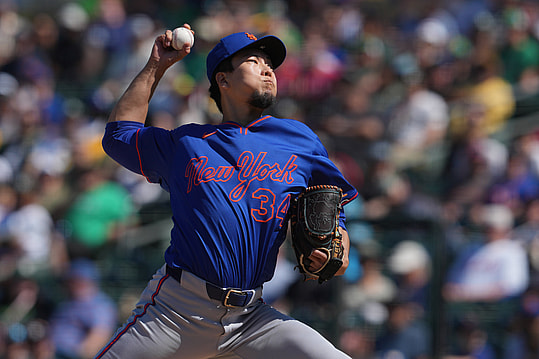
But the underlying trends tell a different story.
His strikeout rate slipped to 8.66 per nine. His velocity dipped again, and not gradually — noticeably. He missed time with injury, as has been the pattern since he arrived. Every version of this story circles back to one question: can the Mets count on him?
That’s where the issue lies. Not in the ERA column, but in the sustainability.
The contract complicates things
If Senga were on a cheaper deal or one without long-term commitments, he probably stays put. Instead, the Mets are looking at several more years of salary tied to a pitcher trending in the wrong direction physically.
They’d love to move the deal cleanly, but realistically? They might have to kick in a bit of money if they want a team to take the risk unfiltered. The 2028 club option helps, but not enough to erase the bigger picture. He’s still owed $15 million per season until 2027.
They need payroll clarity, and Senga is one of the quickest ways to get there.
Why the Mets may push hard to move him now
There’s a clear motive behind this shift: flexibility. The Mets want to reshape the rotation around arms that are younger, sturdier, and capable of carrying heavier innings loads without the same long-term health red flags.
Pair that with their aggressive pursuit of frontline starting pitching, and the writing is on the wall. If you want to upgrade a rotation dramatically, moving an aging, declining starter’s contract off the books is part of the math.
And the league knows it.
According to Jeff Passan of ESPN: “Kodai Senga, RHP, New York Mets: He is extremely available, and multiple executives expect him to be traded this winter as the Mets look to overhaul their rotation.”
That’s about as direct as it gets.
A trade feels more likely than not
The Mets won’t dump Senga for nothing. He’s still useful, still talented, and still capable of providing quality innings when healthy. But he’s no longer the type of arm you build around. He’s the type you move to create space for the arm you build around.
Someone will take the chance because teams always bet on stuff and experience. The real question is how much of the contract the Mets have to swallow to make it happen.
And when the Mets make their next big rotation move — and they will — it may become obvious why this was the winter to cut ties.

More about:New York Mets
