Alexander Wilson
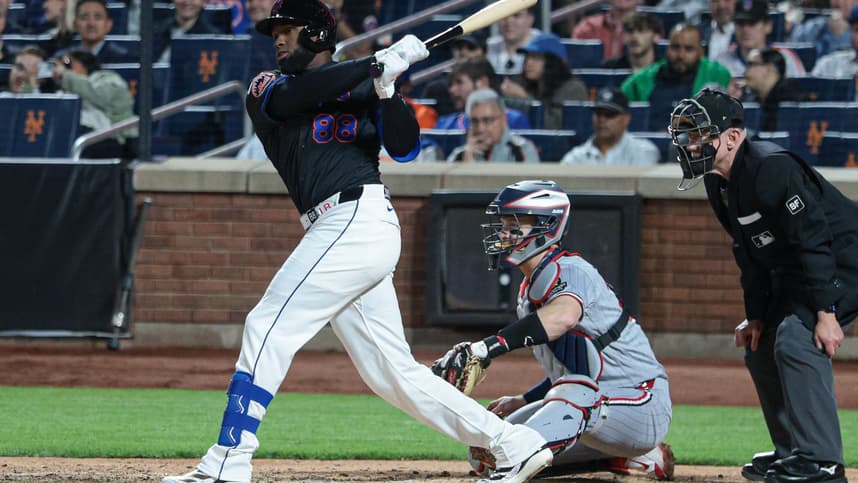
The New York Mets knew exactly what they were buying with Luis Robert Jr.
They were buying ceiling. They were buying athleticism. They were buying the idea that a healthier version of Robert could give them a center-field weapon with power, speed, and enough defensive value to justify the gamble.
Now they are dealing with the other half of the package, and it is the part that makes this whole thing uncomfortable.
The production was already light
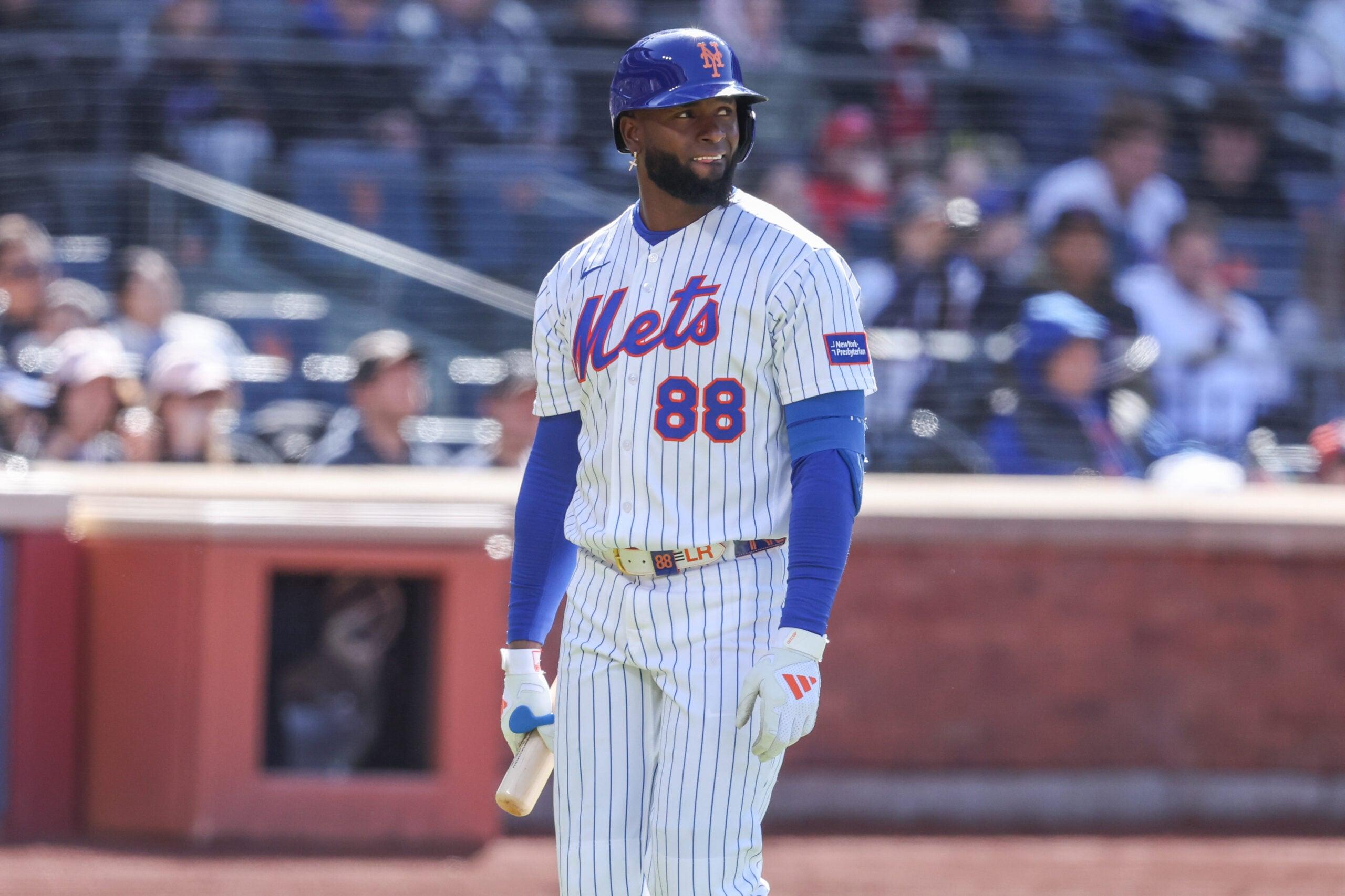
Before landing on the injured list, Robert was hitting .224/.327/.329 with a .656 OPS, adding two homers, eight RBIs, 10 runs, 13 walks, 17 strikeouts, and two stolen bases across 98 plate appearances.
The Mets need more thunder from a player acquired because of upside. His April line was even rougher, sitting at .200/.291/.286 before the back issue became the bigger concern.
The Mets have already seen the flashes. Robert even delivered a walk-off moment earlier this season, and those flashes are why teams keep talking themselves into him. The talent is loud when it shows up.
The problem is that the quiet stretches and injury interruptions keep showing up, too.
The back issue changes the math
Robert is on the injured list with a lumbar spine disc herniation, and the latest update had him still dealing with symptoms and not cleared to resume baseball activities. For a player whose career has already been chopped up by physical setbacks, the lack of momentum is a real problem.
Back injuries are tricky. They do not always follow a clean timeline, and they can drag into swing mechanics, running speed, and defensive range. For a player whose value depends on explosiveness, that is a nasty combination.
The Mets did not trade for Robert to get a compromised version. They traded for the impact version, and right now they have neither the production nor the availability.
A smart gamble can still get expensive
The contract made the trade easier to understand. Robert came over after Chicago exercised his $20 million option for 2026, and his deal includes another $20 million club option for 2027. That gave the Mets upside without a long-term marriage.
Still, $20 million is not pocket change when the player is hurt and not hitting. The Mets were betting that Robert’s ceiling would outweigh the medical risk, but the first few months have pushed the conversation in the wrong direction.
Robert still has time to pull this back in the other direction. A healthy version can change the outfield quickly, and the Mets would look a whole lot smarter if he returns and starts driving the baseball again.
But if the back lingers into the summer, the Mets will have a real decision coming. They did not just trade for upside. They inherited the risk attached to it, and right now the risk is doing most of the talking.

More about:New York Mets