
 Andres Chavez
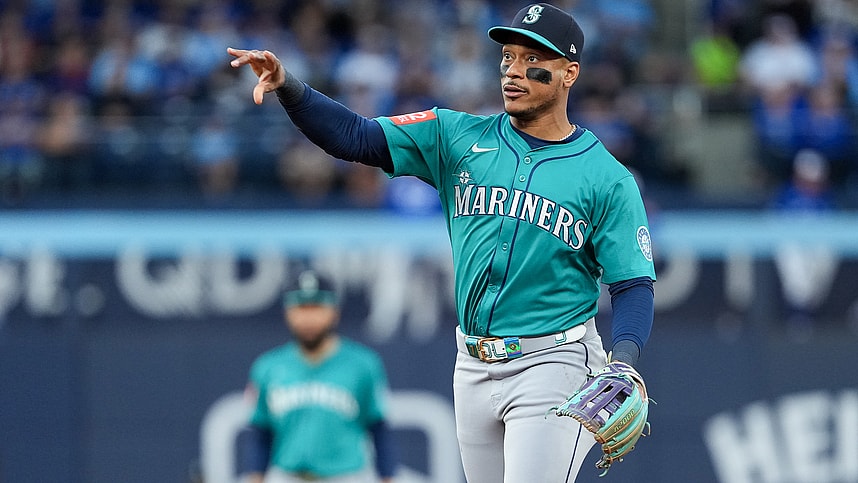
The timing was impossible to ignore. Pete Alonso leaves town, and a few days later the New York Mets commit $40 million over two years to Jorge Polanco. In this market, with this roster, the assumption came naturally. This was the response. The replacement, or at least part of one.
Polanco did little to shy away from that framing during his introductory virtual press conference. If anything, he leaned into the bigger picture, explaining not just why he chose the Mets, but how the organization sees him fitting into what comes next.
Why Jorge Polanco Chose the Mets
Free agents almost always talk about winning, but Polanco’s explanation felt more specific than that. He pointed to how the Mets care for their players, an organizational reputation that has quietly improved in recent seasons, and emphasized the leadership already in the clubhouse.
Francisco Lindor and Juan Soto came up unprompted. Polanco called them leaders, the type of players who set a tone without needing to announce it. “Knowing the type of leaders that they are,” he said, “I knew that this team wanted to win.”
That matters more than it sounds like. Polanco did not land with a rebuilding team selling future promises. He chose a Mets roster that has doubled down on stars and expects to contend right now, even after losing one of the most recognizable sluggers in franchise history.
A New Role at the Cold Corner
For months, Polanco’s name circulated in free agency as a player willing to be flexible. First base. Second base. Third base. He made it clear he was open to anything, which, given his bat, made him attractive to a wide range of teams.
The Mets, however, had a clearer vision. Polanco revealed that first base is the primary plan, with additional time at DH and occasional work at second or third when needed. That detail matters. It tells you the Mets are not viewing this as a temporary experiment, but as a real positional transition.
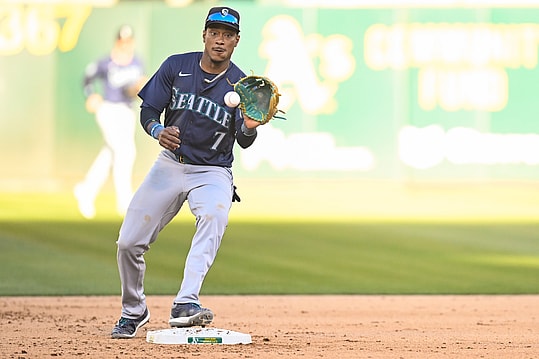
On paper, it looks odd. Polanco has exactly one major league game at first base. That is not a typo. But the groundwork was already being laid. While with Seattle last year, he began preparing for a potential move to first, even though the Mariners ultimately needed him to stay at second. The reps never materialized in games, but the preparation did.
The Mets are betting that preparation counts.
Betting on the Bat
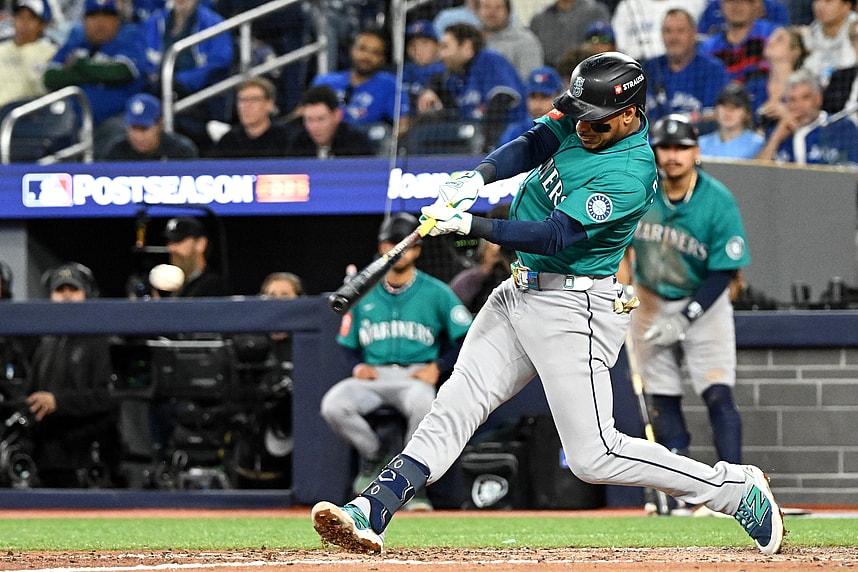
If this were about glove work alone, the risk would outweigh the reward. But Polanco is coming off the best offensive season of his career by a wide margin. He crushed 26 home runs, posted a 132 wRC+, and was one of the most productive hitters in the American League.
Only Jazz Chisholm Jr. of the Yankees outpaced him offensively in 2025. That places Polanco firmly in impact territory, not just “nice addition” territory.
Now he moves to the National League, where the Mets are asking him to help replace, or at least approximate, Pete Alonso’s production at a fraction of the cost. That is a heavy ask, as even Polanco’s best is about Alonso’s worst. But Polanco has shown he is a comfortably above-average offensive player and has the potential to be a much better defender than the Polar Bear.
What This Means for the Mets
This signing is not about finding another Alonso. He is singular. What the Mets are doing instead is redistributing value. Polanco’s bat, positional flexibility, and lower financial commitment give the roster room to breathe.
There will be defensive growing pains. That is inevitable. First base is not as simple as it looks, and the Mets know that. But if Polanco hits anywhere close to last season’s level, the tradeoff becomes easy to justify.
This is a bet on adaptability, on offensive continuity, and on the belief that a well-supported player can grow into a new role. The Mets are not chasing the past. They are trying to reshape the present, one calculated swing at a time.

More about:New York Mets
