
 Andres Chavez

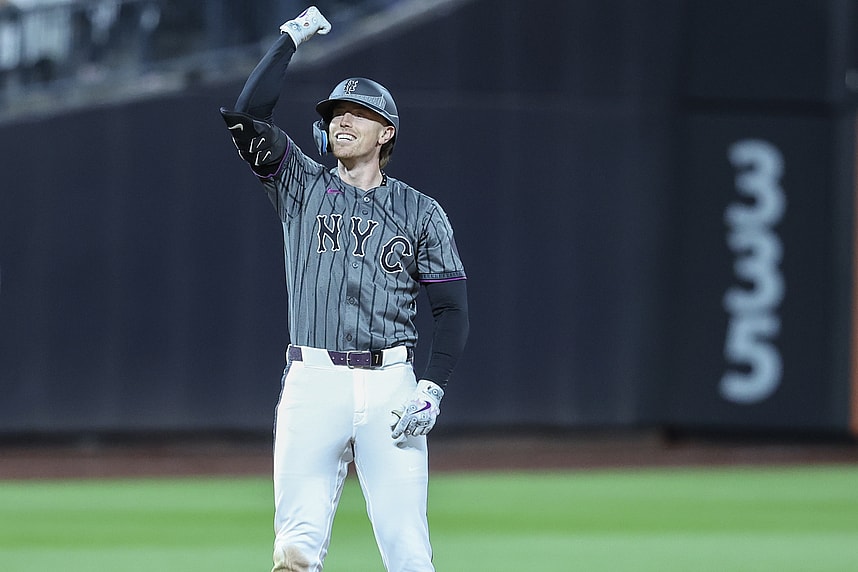
The New York Mets didn’t just shuffle their infield this winter—they detonated it. Bo Bichette lands at third base, pushing Mark Vientos into limbo, or the DH role at least. Marcus Semien takes over second. Jorge Polanco mans first. Francisco Lindor, currently rehabbing from hamate surgery, anchors short. And Brett Baty, the 25-year-old who mashed 18 homers with a 111 wRC+ last season, suddenly has no defensive home.
But here’s where it gets interesting.
Instead of relegating Baty to the bench or forcing a trade, the Mets are betting on versatility. He’s working second base today after taking reps at first yesterday. The plan? It appears to be turning him into a super-utility weapon who can plug defensive holes, spell veterans, and keep that left-handed bat in the lineup almost every night.
I’m convinced this is the smartest play the front office could make with Baty right now.
The Infield Traffic Jam Is Real
The Mets signed Bichette and Semien without a clear plan for Vientos or Baty, two homegrown bats who proved they can hit in the big leagues. Vientos posted a 133 wRC+ in 2024, even if the number fell to 97 in 2025. Baty overcame an early demotion to break out last year. These aren’t scrubs.
But David Stearns operates in a different universe. He’s not building a depth chart—he’s building redundancy into a contender. If Semien’s legs go in August, Baty moves to second. If Bichette regresses, Baty’s waiting at third. If Carson Benge struggles right out of the gate, Baty’s there.
The math works because Baty can actually defend multiple spots. He played 87 games at third and 57 at second last year without embarrassing himself. Add first base and potentially right field to that mix, and you’ve got a player who can start four times a week at four different positions.
That’s not a backup. That’s a strategic asset.
The Right Field Gamble
Here’s where the Mets’ plan starts to make even more sense. Right field is wide open. Juan Soto’s move to left created a vacuum, and the team hasn’t filled it with any conviction. Mike Tauchman and Tyrone Taylor are depth pieces. Benge could win the job out of camp, but betting on a rookie to man right field on a win-now roster is asking for trouble in June.
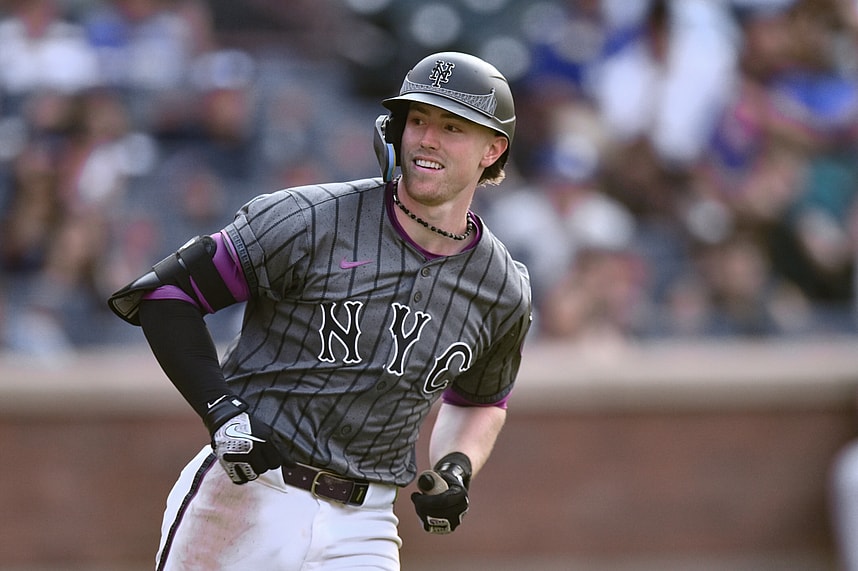
Baty changes the calculus. If Benge struggles or isn’t ready, the Mets can slot Baty into right field without losing offense. A 111 wRC+ plays at any position, and Baty’s batted ball profile suggests he’s got more power coming. His 46.9% hard-hit rate ranked in the 72nd percentile last year, and his 86th percentile bat speed gives him a chance to hit for more power.
Give him 500 plate appearances with a tweak to his swing path, and I’m projecting a 120 wRC+ season with 22-24 homers. That’s a middle-of-the-order bat, not a utility guy.
The DH Solution Nobody’s Talking About
The beauty of this setup is the designated hitter spot. With Baty bouncing between positions, the Mets can rest aging veterans like Polanco and Semien without losing their bats. Polanco’s 36 years old with a lengthy injury history. Semien’s 35 and coming off a down year. Both will need maintenance days, and Baty gives the Mets a way to keep their lineup stacked even when guys sit.
This isn’t revolutionary, but the Mets are applying it to a player with legitimate upside, not a replacement-level journeyman. Baty’s floor is a league-average hitter with positional flexibility. His ceiling is a 20-homer bat who defends four spots competently.
That’s the difference between making the playoffs and winning a division.

More about:New York Mets
