
 Andres Chavez
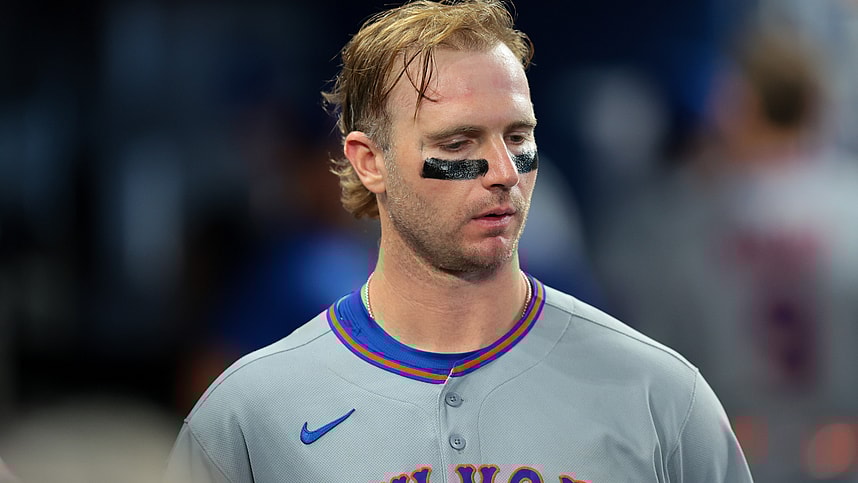
A quiet corner of the lobby at the Winter Meetings can tell you a lot if you’re paying attention. On Wednesday afternoon in Orlando, a handful of New York Mets staffers stood together, half-talking, half-staring at their phones, the way people do when the news they were hoping wouldn’t happen finally does. By then, word had spread: Pete Alonso was gone. Not traded. Not negotiating. Gone.
A Winter Meetings Slide the Mets Didn’t See Coming
The Mets already knew this offseason wasn’t trending in their favor, but the last 48 hours have felt like someone turned the temperature up and locked the door. First they watched Kyle Schwarber land elsewhere. Then Edwin Diaz, the soundtrack of Queens for years, disappeared from the bullpen blueprint. But losing Alonso to the Baltimore Orioles on a five-year, 155 million dollar deal was the moment the frustration became something heavier.
This wasn’t a surprise in the sense that the Orioles had been circling for weeks, quietly but consistently. What shocked people inside the Mets orbit was the number. One hundred fifty-five million for a first baseman who just posted a 38-homer, 126-RBI season with a 141 wRC+. An elite bat, no doubt. A franchise face, absolutely. But also a player the Mets viewed as limited defensively and invisible on the bases. The front office’s internal line was clear: they weren’t comfortable offering a four-year deal, let alone five.
The Gap Between Risk and Reward
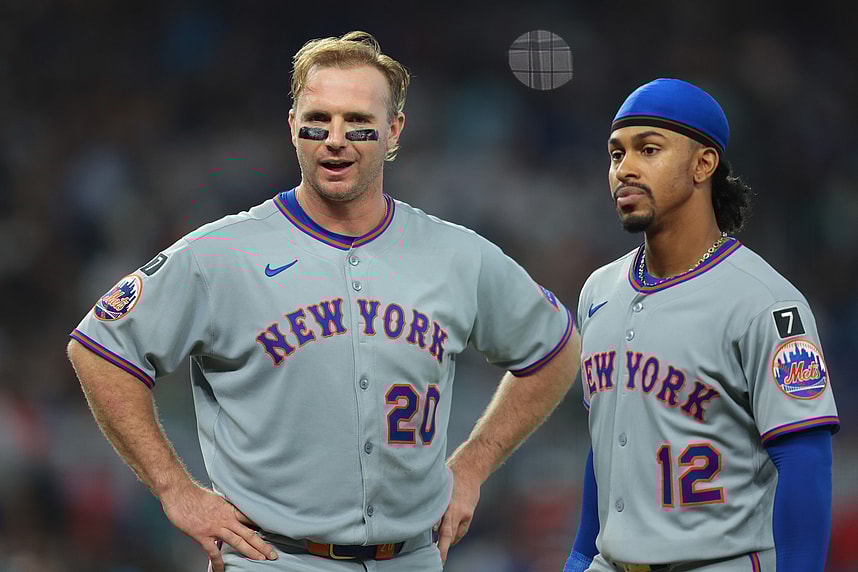
The problem with hard lines is that other teams don’t always respect them. Baltimore and Boston were both willing to stretch to four or five years, recognizing exactly what Alonso still brings despite those flaws. The Orioles, fresh off a disappointing season after multiple steps forward with a young core, saw a hitter who doesn’t crumble under expectations. They saw a clubhouse presence who shows up, plays hurt, and gives you thirty-plus homers in his sleep. They saw the final piece to lengthen an already dangerous lineup.
The Mets saw risk. The Orioles saw payoff.
And that’s where the current tension sits for the Mets and president of baseball operations David Stearns. Fans aren’t mad about the number of years as much as they’re confused about the plan. When you lose a franchise-record 264 home runs from your lineup, accumulated over seven seasons where Alonso was never anything less than durable and visible, the natural question becomes: what exactly are you building toward?
A Disconnect Growing Louder
Stearns has asked for patience, but patience is running thin. The Mets didn’t just lose a bat. They lost the guy kids wore on their backs walking into Citi Field. A storyteller for the modern era of Mets baseball. The one constant through chaotic summers and reshuffled rosters. The face of the franchise who finally got the long-term contract he’d waited years for, just not from the team that drafted him.
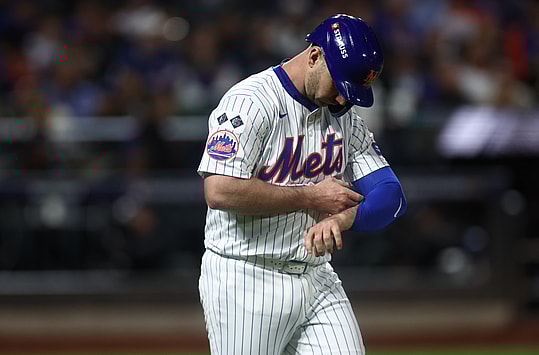
Baltimore will get the version of Alonso that fits perfectly into a contending timeline. New York will get the fallout. And that fallout isn’t only statistical. It’s emotional. It’s messaging. It’s the sense that the team took an avoidable step back during an offseason when belief was already fragile.
What Comes Next for a Team Searching for Direction
The Mets can still recover, but every move from here on out carries extra weight. You don’t lose Diaz, whiff on Schwarber, and watch Alonso sign elsewhere without the pressure tightening around your decisions. This winter isn’t over, but the margin for error is shrinking.
At some point, the Mets have to choose who they want to be. Because right now, the rest of the league seems far more comfortable defining them than they are defining themselves.

More about:New York Mets
