
 Andres Chavez
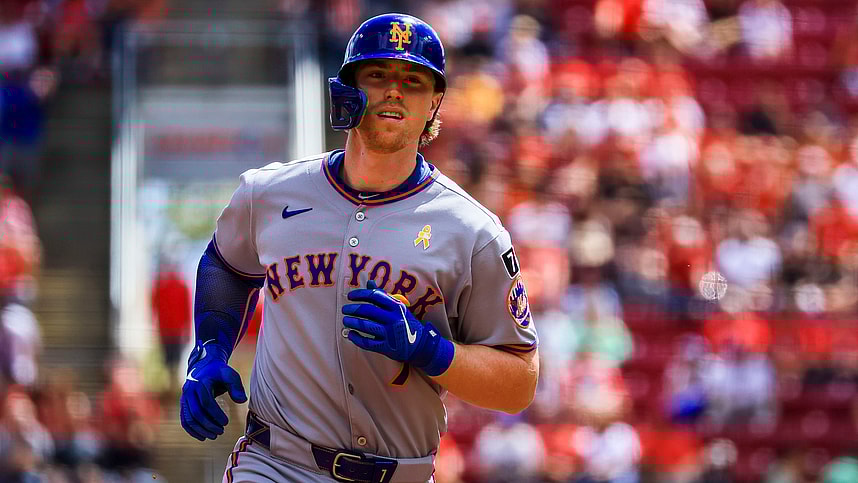
There’s a certain kind of ache that settles in when a season falls apart slowly instead of in one dramatic crash. The New York Mets lived inside that feeling for most of the summer. They started 2025 looking like one of baseball’s sharpest, most complete contenders, only to watch the middle of their season unravel under the weight of injuries, slumps, and a few too many moments where their stars felt mortal. An 83-79 record doesn’t sound catastrophic, but for a team built to win now, missing the postseason on the final weekend left a sting that hasn’t faded.
The Mets don’t need a teardown. They know that. They still have Juan Soto anchoring the offense, Francisco Lindor’s leadership and all-around skill, and enough frontline talent to compete.
But they also understand that standing still after such a flat ending would be irresponsible. That’s why sweeping coaching changes have already been made and why the front office seems willing to approach the winter with more creativity than pride.
Six players, one mission: reshape the roster
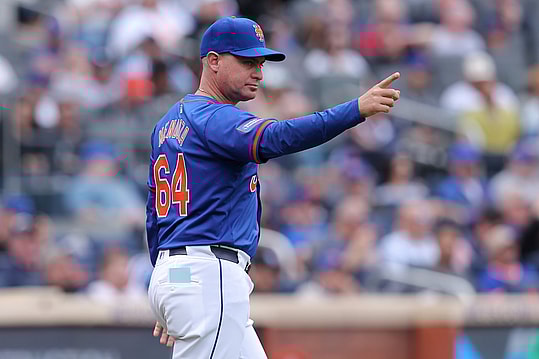
Jeff Passan’s recent report put things in plain view. The Mets have six players they are prepared to discuss in trades: Kodai Senga, Brandon Nimmo, Brett Baty, Mark Vientos, Luisangel Acuña, and Jeff McNeil. Not all of them will be moved, but their availability signals a front office ready to make targeted upgrades rather than nibble around the edges.
Senga is the trickiest name on the list. When he’s right, he looks like a borderline ace with that late-biting forkball and a presence that elevates a rotation. Even in a year disrupted by a hamstring strain, he managed a 3.02 ERA in 2025. The problem isn’t his talent. It’s durability. The Mets can’t rely on good intentions, not after last season’s collapse began with pitching injuries piling up. If a team views Senga as the missing piece, New York might have to listen.
Nimmo finds himself in a similar spot. He was productive when healthy and even launched a career-high 25 homers. His 3.0 fWAR and steady on-base skills still play, but he’s about to enter his mid-30s, and the Mets could decide this is the right moment to flip him for younger, cost-controlled talent. It’s not an easy decision. Nimmo is beloved, consistent, and fits the clubhouse. Still, if the Mets truly want to retool, sentiment can’t outweigh opportunity.
Balancing youth, potential, and practicality
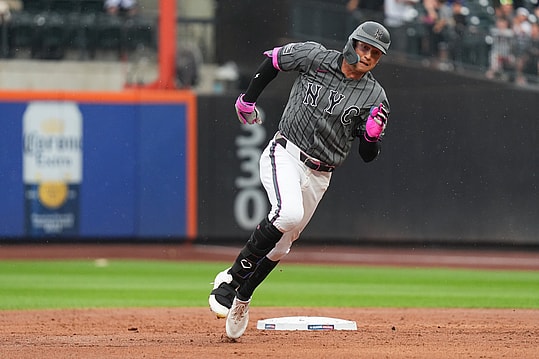
Among all the names, Baty might be the toughest to part with. He finally looked like the kind of third baseman the Mets hoped he’d become, showing power, patience, and improved defense. Trading him would feel like undoing years of patient development. Unless an elite outfielder or frontline starter becomes available, dealing Baty seems shortsighted.
Vientos presents a different sort of gamble. That 132 wRC+ in 2024 hinted at a breakout, but his 97 mark last year reminded everyone that evaluating young hitters can feel like trying to read weather patterns. His bat carries real thump, but his defense remains a liability. He fits best on a roster that can hide him at DH more often than not, which might not be the ideal setup for the Mets in their current form.
McNeil and Acuña round out the group. McNeil is exactly what he’s always been: steady, versatile, and quietly reliable. Acuña can really run and defend, but the bat still feels a year or two away. Neither player would bring back a haul on his own, but they are useful pieces in broader negotiations.
What comes next for a team that can’t afford another letdown?
The New York Mets need a center fielder, rotation reinforcements, and bullpen help. They don’t need a massive overhaul, but they do need sharper depth, more stability, and maybe a touch more youth. If using these six players brings them closer to that goal, they’ll move quickly. Sitting still didn’t work in 2025, and the clock on Soto, Lindor, and other veterans isn’t slowing.
The window is still open. The question is whether the Mets are bold enough this winter to push it wider.

More about:New York Mets
