Alexander Wilson
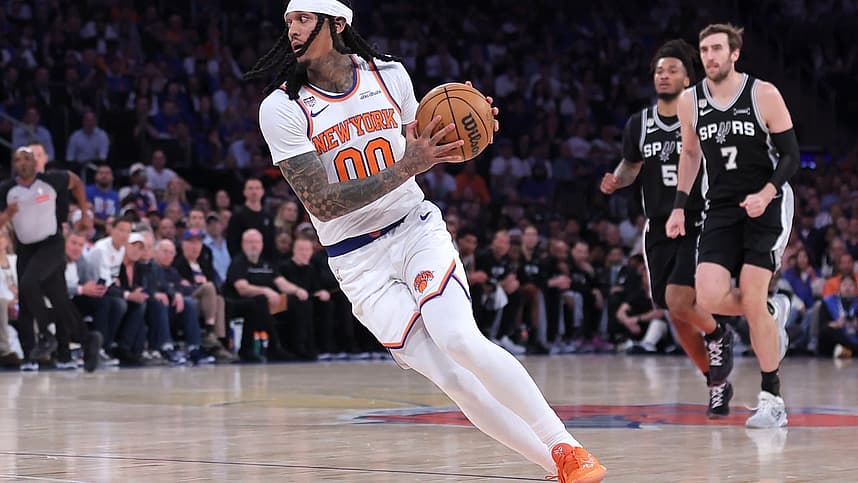
The Knicks are bringing back a familiar bench piece instead of overthinking the very end of the roster.
Jordan Clarkson is re-signing with New York on a one-year, $3.9 million deal, according to Stefan Bondy. The contract terms have not been the important part of the early reporting, but the direction makes sense if the Knicks wanted another known guard who already understands the room.
Clarkson is not coming back to be some giant rotation answer. New York has Jalen Brunson, Miles McBride, Jose Alvarado, Landry Shamet and plenty of ball-handling already. Clarkson is more of a regular-season release valve, the kind of veteran Mike Brown can use when the schedule gets ugly or the offense gets stuck.
Clarkson already showed what the small role looks like
Clarkson averaged 8.6 points, 1.8 rebounds and 1.3 assists across 72 regular-season games last year. He shot 45.1 percent from the field and 32.7 percent from three, which is fine for a back-end guard but nowhere near the old Sixth Man of the Year version.
The Knicks should be honest about that. Clarkson can still get himself a bucket, but the days of building a second unit around him are gone. His value now is more about familiarity, shot creation in small doses, and having a veteran who will not look shocked if he gets tossed into a playoff possession.
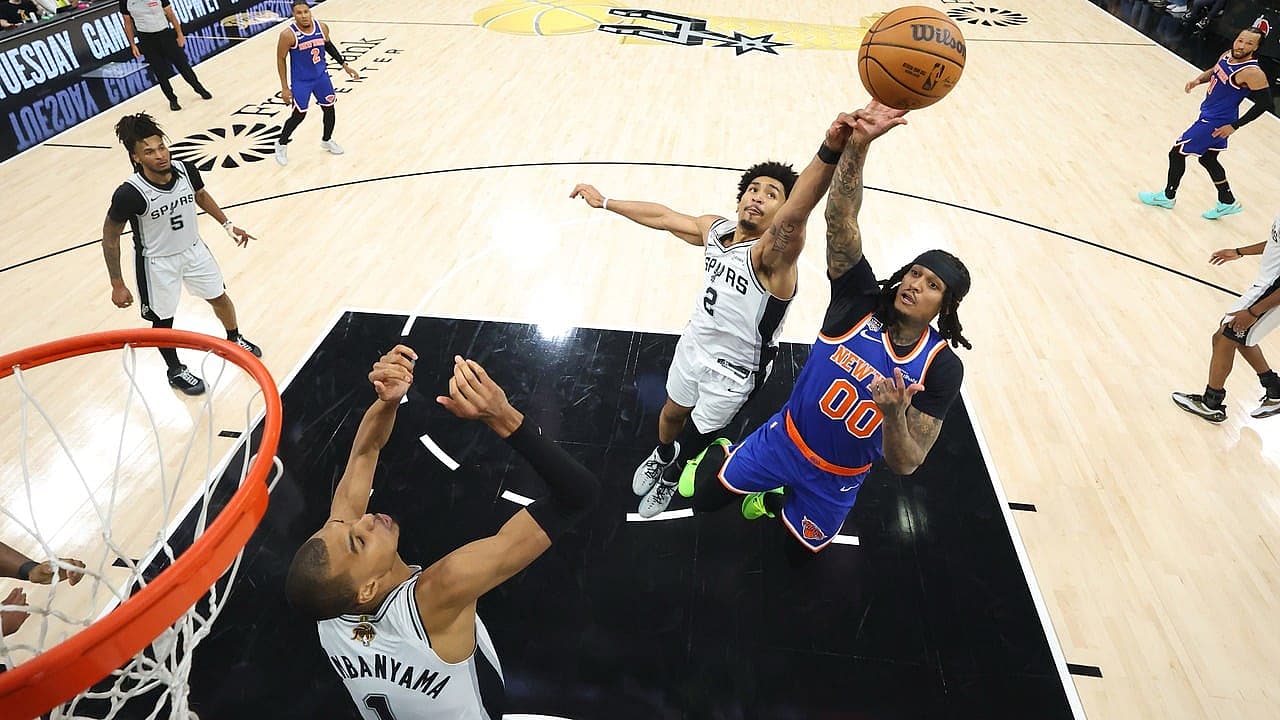
He had one of those moments in the Finals, too. Clarkson scored 10 points in 13 minutes in Game 3 against San Antonio, hitting four of seven shots and both of his threes. It did not become some huge postseason role, but it was a reminder that his scoring instincts have not disappeared.
The Knicks can keep the margins boring
The Knicks have spent the summer trying to fill the margins without making their expensive roster any messier. They already brought back key depth, added frontcourt help, and have been operating with the second apron in mind. Clarkson fits the cheap-continuity lane better than a splashier name that wants real minutes.
There is a boring version of this that actually works. Clarkson sits near the back of the rotation, plays when needed, keeps the locker room familiar, and gives the Knicks a scorer who has already lived inside Brown’s system for a year.
If the role gets too big, something else probably went sideways. If it stays small, the Knicks get one more veteran guard without needing to force a bigger idea into a roster that already knows what it is.

More about:New York Knicks