
 Andres Chavez
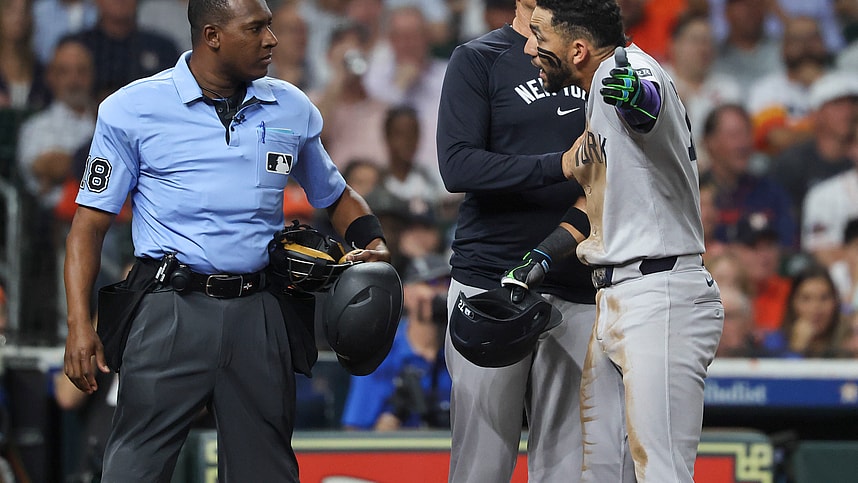
For years, Major League Baseball has wrestled with the strike zone debate, and now the league is officially taking a step into the future. Beginning in 2026, MLB will roll out the ABS Challenge System—a move that could redefine the delicate balance between tradition and technology.
This isn’t just another tweak to the rulebook. It’s a decision that cuts to the heart of the sport, where inches and split-second judgments often decide pennants. The league’s announcement feels less like a quiet adjustment and more like a cultural shift.
How the ABS Challenge System Works
The Automated Ball-Strike (ABS) Challenge System is exactly what it sounds like: a blend of technology and player discretion designed to check questionable calls in real time. It’s not the fully automated “robot ump” concept some fans envisioned, but rather a middle ground that maintains the human element.
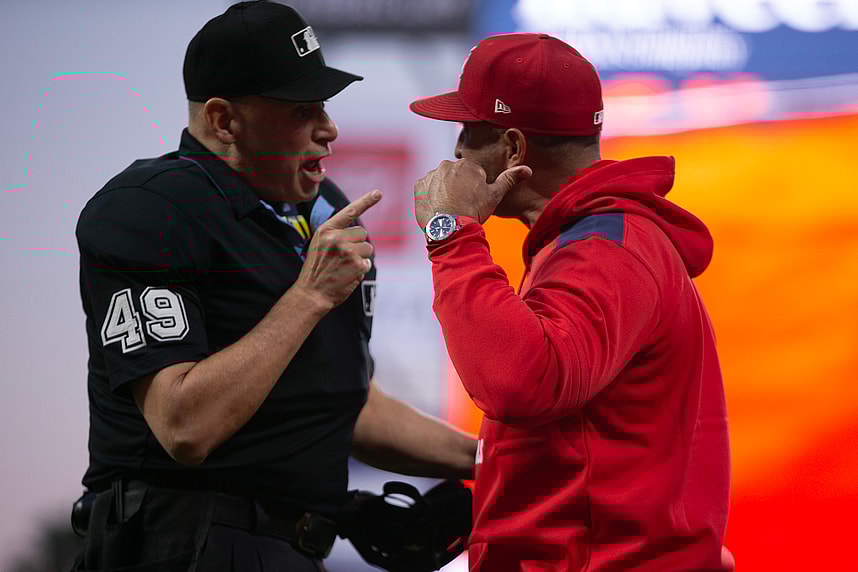
Under the new format, each team will have two challenges per game. Only the pitcher, catcher, or batter can trigger them—managers are completely out of the equation. If a player believes a call missed the zone, he simply taps his cap or helmet to signal the challenge.
If the call is overturned, the team keeps its challenge. If not, it’s lost. It’s a high-stakes tool, one that mirrors the tension of a video replay in football but condensed into a matter of seconds.
Why MLB Chose This Format
Commissioner Rob Manfred made it clear: the league didn’t arrive at this decision overnight. After years of experimenting in the minor leagues, during Spring Training, and even in the All-Star Game, the Joint Competition Committee voted to approve the system.
Manfred stressed that many players themselves pushed for this specific format. Full automation didn’t sit well with them. They preferred to have the option to contest a call rather than remove umpires from the process entirely. In other words, this is baseball trying to modernize without losing its human heartbeat.
“The strong preference from players for the Challenge format over using the technology to call every pitch was a key factor,” Manfred explained, underscoring that the league wanted buy-in from those on the field.
The Bigger Picture: Tradition Meets Innovation
Baseball has always been a sport of debates—was it a strike, or wasn’t it? For more than a century, those arguments have fueled barroom conversations and broadcast booth rants. The ABS Challenge System won’t silence those debates entirely, but it will give players an immediate voice in the moment.
Think of it like a seatbelt in a classic car. The design and ride remain timeless, but the safety upgrade acknowledges modern expectations. MLB isn’t replacing umpires with machines; it’s giving players a lifeline in the most critical spots.
What Fans Can Expect in 2026
When the system debuts next year, expect some growing pains. Managers will no longer storm the field to argue balls and strikes, but the sight of a batter quickly tapping his helmet could become a nightly flashpoint. The drama will shift from the dugout to the plate, where challenges will unfold in front of millions of fans watching live.
For players, the system introduces new strategy. Do you burn a challenge in the third inning on a borderline pitch, or save it for a possible ninth-inning showdown? For fans, the entertainment value is obvious: every challenge will feel like a mini-trial, with the strike zone as judge and jury.
By limiting the number of challenges, MLB is ensuring the game doesn’t grind to a halt. Quick resolutions will keep the pace moving, while still adding layers of drama.

More about:MLB
